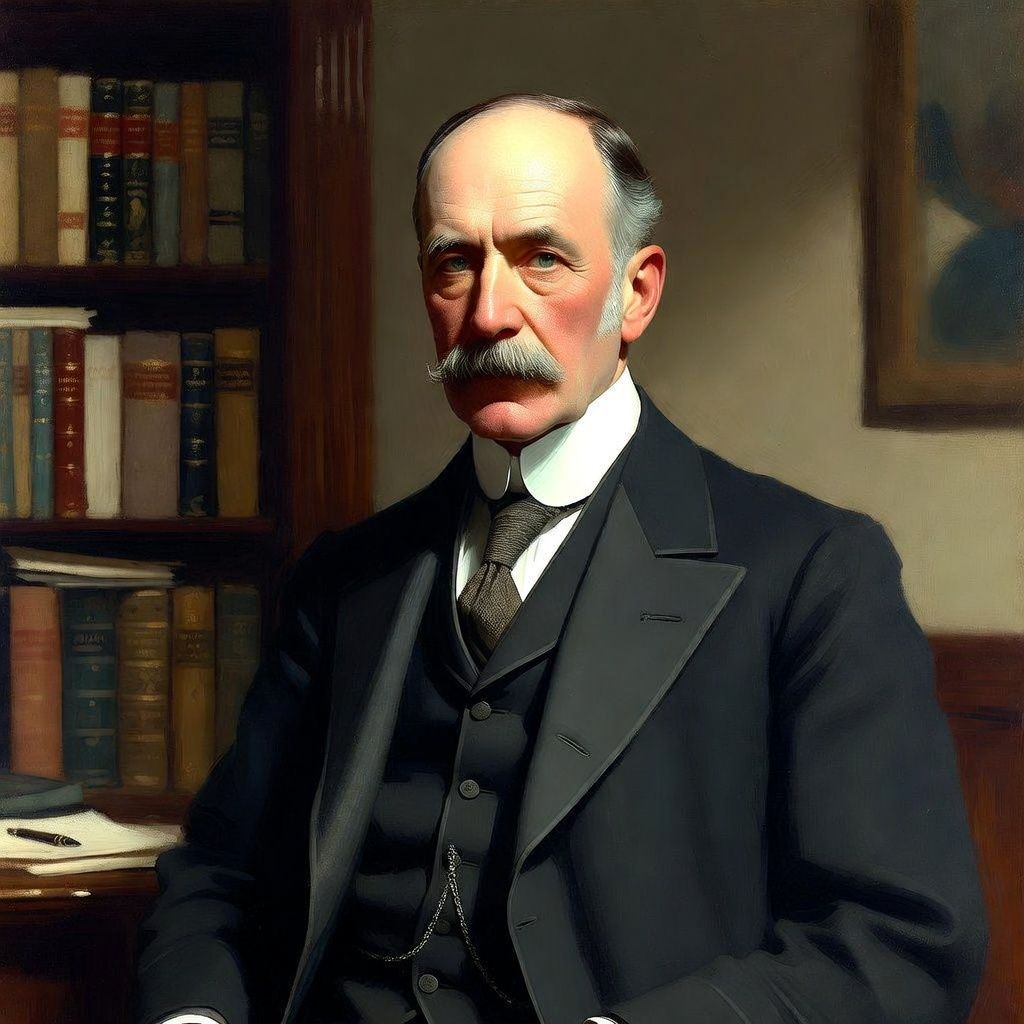
Those who think they have not time for bodily exercise will sooner or later have to find time for illness.
About This Quote
Interpretation
The remark frames exercise as a practical necessity rather than a luxury: time “saved” by skipping physical activity is likely to be repaid later, with interest, in the form of sickness and enforced inactivity. Its force comes from the reversal—people claim they lack time for health, yet illness will commandeer time anyway. The quote also reflects a Victorian-era moral and hygienic sensibility in which self-discipline and regular habits were linked to bodily well-being. In modern terms, it anticipates preventive-health arguments: small, consistent investments in fitness reduce the risk of larger future costs in medical care, lost productivity, and diminished quality of life.
Variations
1) “Those who do not find time for exercise will have to find time for illness.”
2) “He who has no time for health will have to make time for sickness.”
3) “If you don’t make time for exercise, you’ll have to make time for illness.”