Today we’ve only explored about 3 percent of what’s out there in the ocean. Already we’ve found the world’s highest mountains, the world’s deepest valleys, underwater lakes, underwater waterfalls … . There’s still 97 percent, and either that 97 percent is empty or just full of surprises.
Today we’ve only explored about 3 percent of what’s out there in the ocean. Already we’ve found the world’s highest mountains, the world’s deepest valleys, underwater lakes, underwater waterfalls … . There’s still 97 percent, and either that 97 percent is empty or just full of surprises.
About This Quote
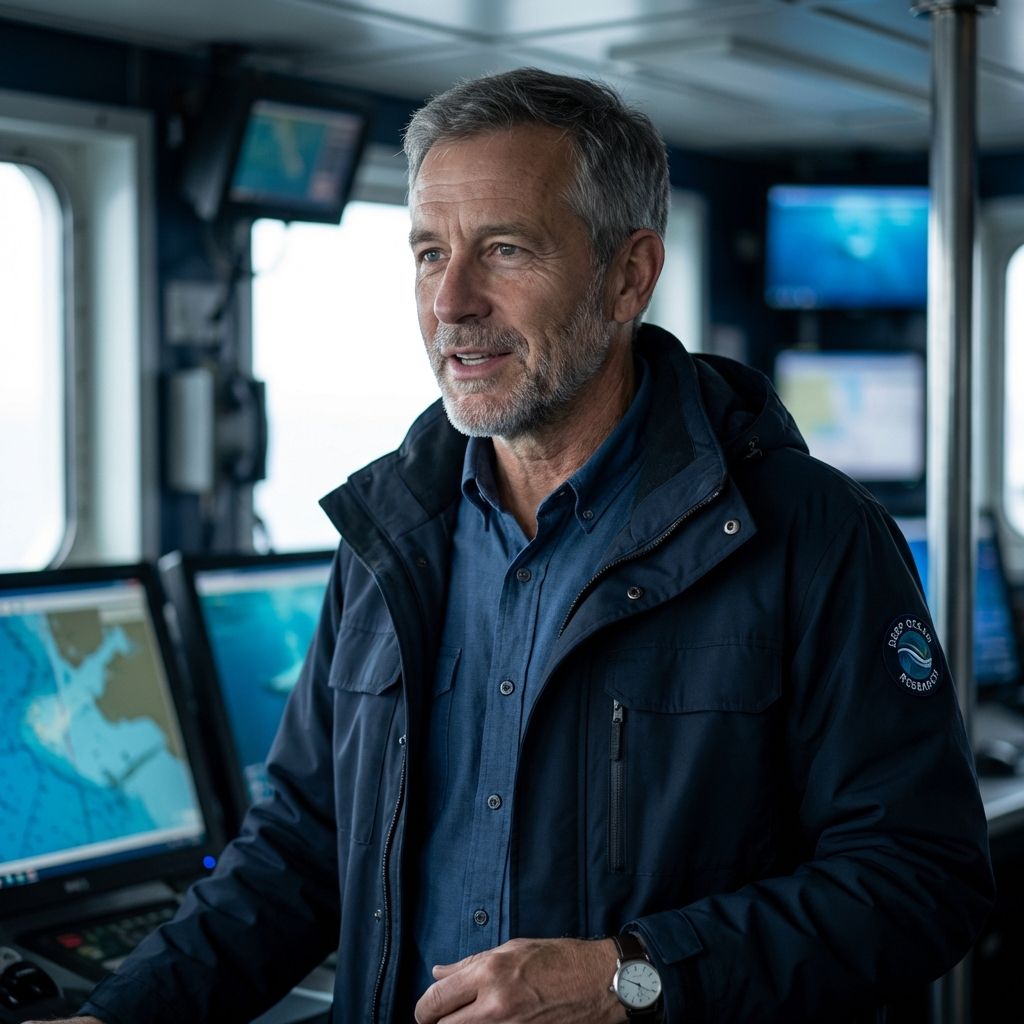
David Gallo, an oceanographer and undersea explorer associated with Woods Hole Oceanographic Institution, used this line in a public talk to emphasize how little of the ocean has been directly explored compared with its vastness. The remark comes from a popular-audience presentation about deep-sea discovery—highlighting dramatic seafloor features (mid-ocean ridges, trenches, and other “mountains” and “valleys”) and the unexpected phenomena revealed by modern submersibles and remote vehicles. Framed as a contrast between what is known (a small explored fraction) and what remains unseen, the quote functions as an argument for continued investment in ocean exploration and the scientific imagination it fuels.
Interpretation
The quote argues that the ocean is not a finished map but an open frontier. By stressing the tiny explored percentage and listing surprising discoveries, Gallo turns ignorance into a productive tension: either the unknown is empty (unlikely) or it contains further revelations. The rhetorical choice—“empty or just full of surprises”—invites the listener to adopt the scientist-explorer’s stance of curiosity and humility, while also implying a moral about knowledge: even on Earth, the most familiar planet, vast realms remain unobserved. The line thus champions exploration as both a scientific necessity and a source of wonder, reframing the deep sea as a place where discovery is still normal rather than exceptional.
Source
David Gallo, TED talk: “Underwater astonishments” (TED2007 conference; posted by TED online in 2007).