“It’s uh known fact, Pheoby, you got tuh go there tuh know there.”
About This Quote
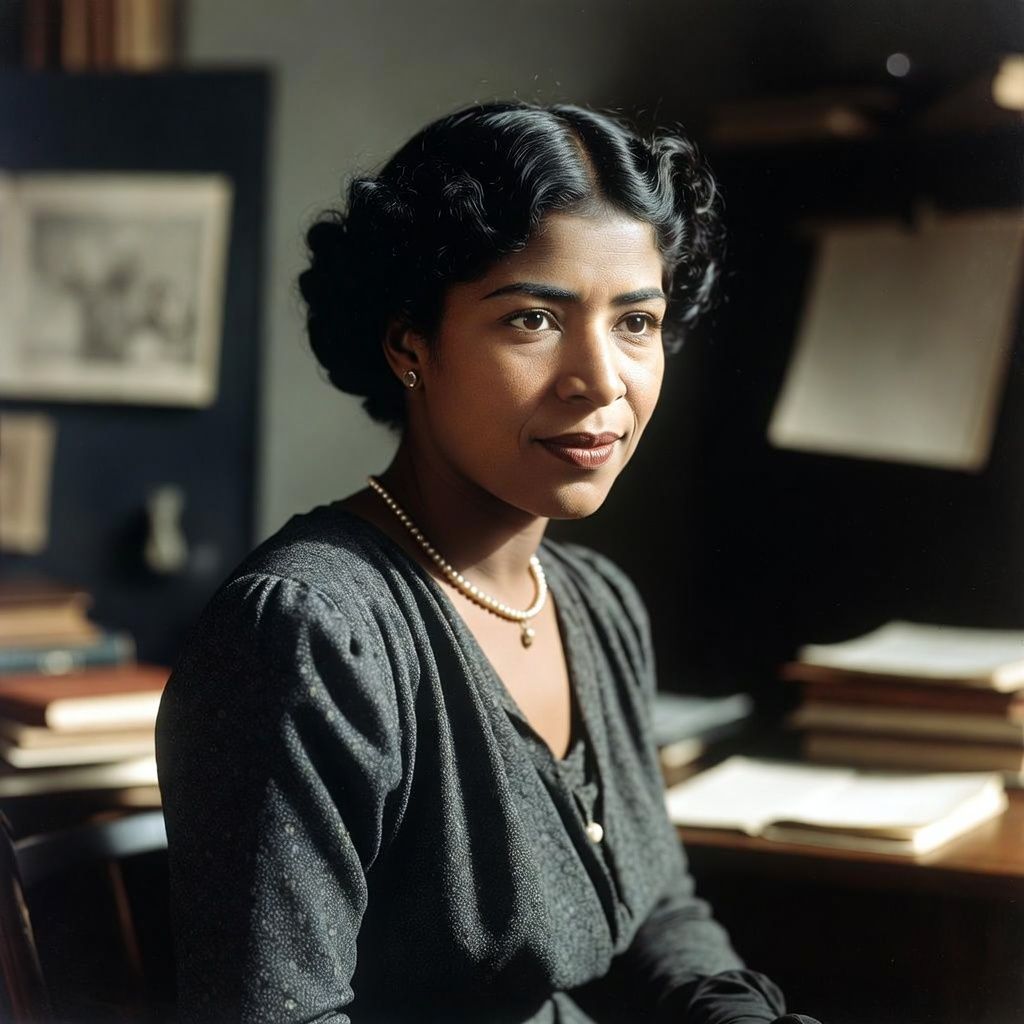
The line is spoken early in Zora Neale Hurston’s novel *Their Eyes Were Watching God* (1937), in the opening conversation between Janie Crawford and her friend Pheoby Watson. Janie has just returned to Eatonville after a long absence, drawing the town’s gossip and speculation. In private, she begins to tell Pheoby what really happened—her marriages, her search for love and autonomy, and the experiences that took her beyond the community’s assumptions. The remark frames Janie’s narrative as firsthand testimony: she insists that certain truths about life, love, and selfhood can’t be grasped from hearsay or judgment at a distance.
Interpretation
Janie’s statement asserts the authority of lived experience over rumor, moralizing, or secondhand knowledge. “Go there” suggests both literal travel and the figurative passage through hardship, desire, and discovery; “know there” implies an understanding that is embodied and earned rather than merely intellectual. The line also challenges the community’s tendency to reduce a woman’s life to appearances: Janie claims interpretive control over her own story. More broadly, Hurston uses the moment to announce a central theme of the novel—self-realization as something achieved through experience, risk, and personal narration, not through conformity to communal expectations.
Source
Zora Neale Hurston, *Their Eyes Were Watching God* (Philadelphia: J. B. Lippincott, 1937), early chapter in Janie’s conversation with Pheoby Watson.