War is cruelty. There is no use trying to reform it. The crueler it is, the sooner it will be over.
About This Quote
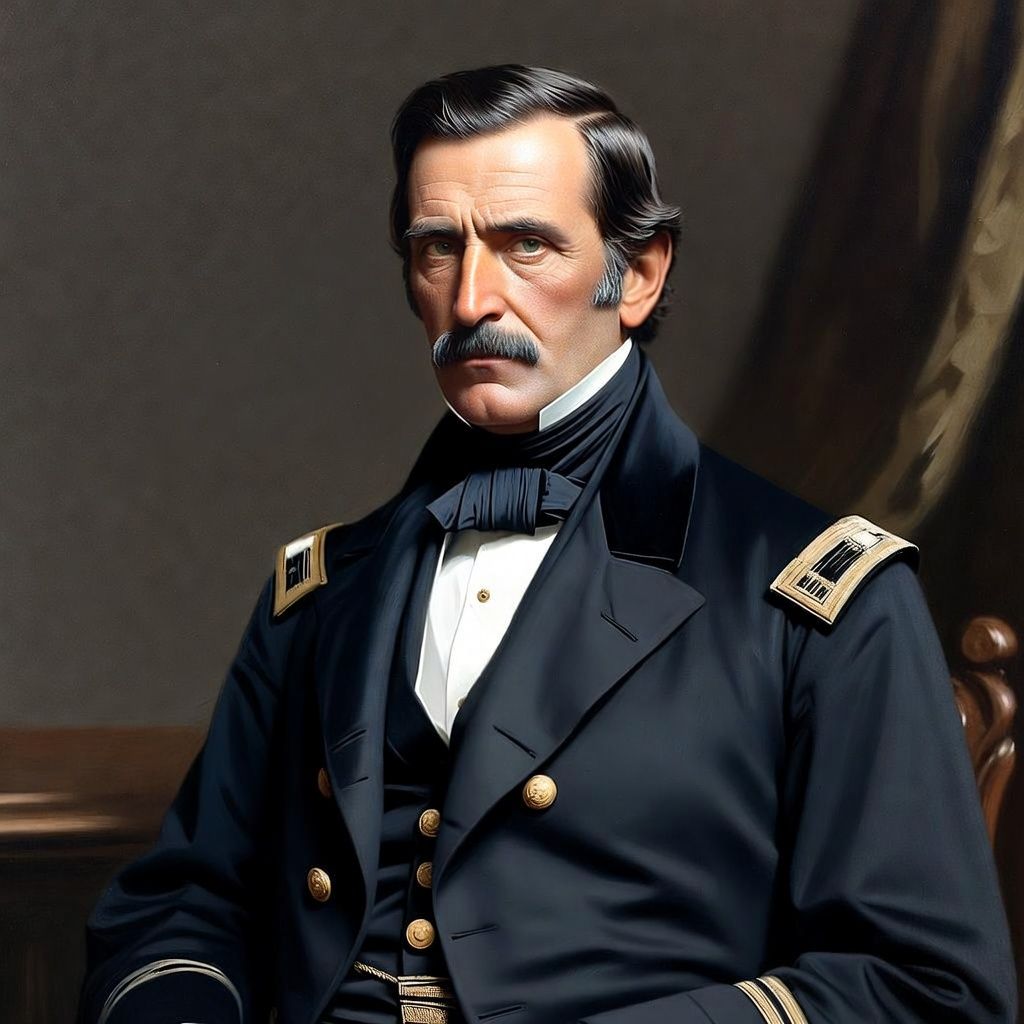
Sherman made this remark during the American Civil War while defending his hard-war policies in the occupied South. It is associated with his correspondence to civic leaders in Atlanta in 1864, after the city’s capture, when he rejected appeals to soften the war’s impact on civilians and property. Sherman argued that war’s inherent violence could not be “reformed” into something humane, and that decisive, relentless pressure would shorten the conflict and ultimately reduce total suffering. The statement reflects the rationale behind his strategy of breaking Confederate capacity and will to fight through aggressive operations and destruction of war-supporting infrastructure.
Interpretation
The quotation expresses a grim consequentialism: because war is intrinsically brutal, attempts to sanitize it are self-deceptive and may prolong the fighting. Sherman’s logic is that intensified coercion—making the costs unmistakable—can hasten surrender and thereby end bloodshed sooner. The line also functions as a rebuttal to moral criticism of “hard war,” insisting that the true moral failure lies in extending conflict through half-measures. At the same time, it raises enduring ethical questions: whether escalating cruelty can ever be justified by promised future mercy, and how easily “shortening the war” becomes a blanket rationale for actions that harm noncombatants.