War: a massacre of people who don’t know each other for the profit of people who know each other but don’t massacre each other.
About This Quote

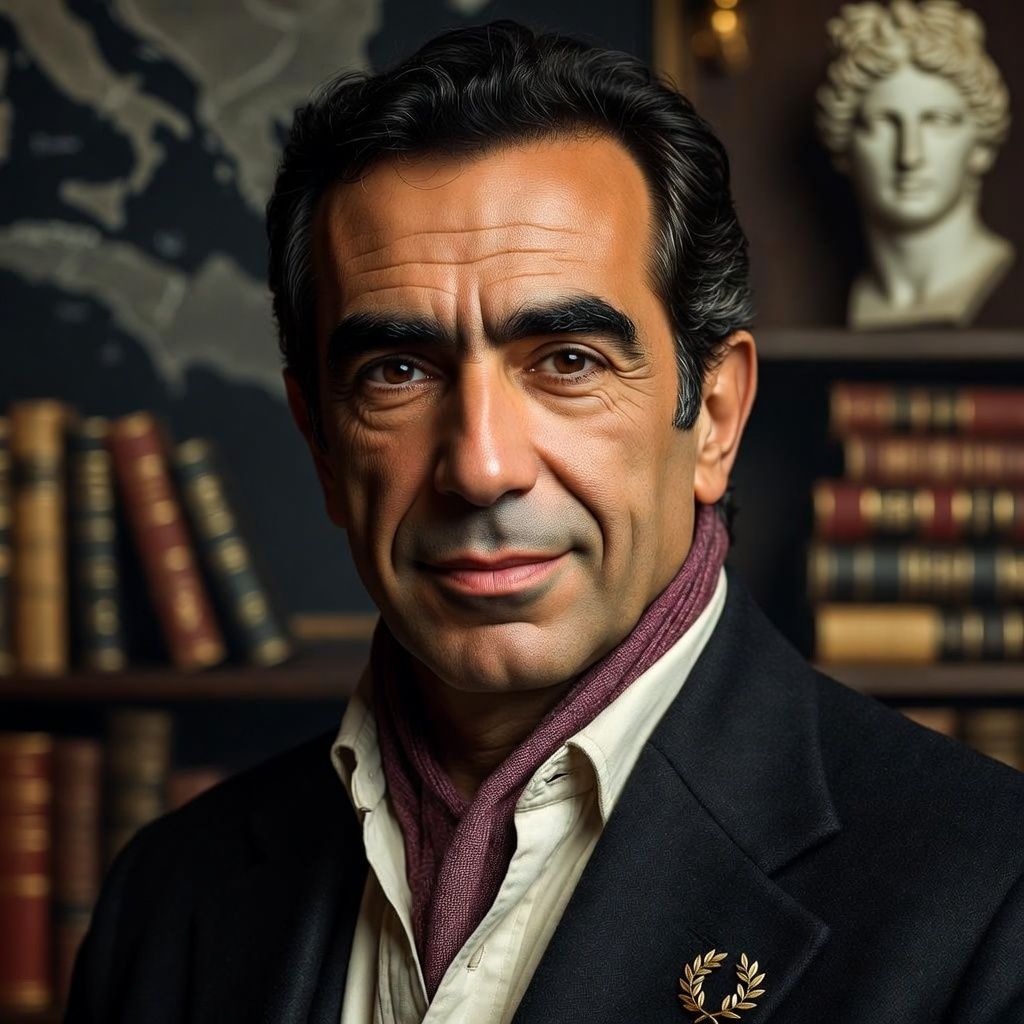
Paul Valéry (1871–1945), a French poet and essayist, wrote frequently about the moral and intellectual crisis of Europe after World War I. In the interwar years he became a prominent public voice warning that modern, industrialized conflict had outstripped traditional ideas of honor, heroism, and national destiny. The aphorism about war as a “massacre” for the profit of those who do not fight reflects this post‑1914 disillusionment: the sense that ordinary soldiers—strangers to one another—are mobilized and destroyed, while political and economic elites pursue interests at a distance. The remark is often cited in antiwar contexts as a quintessentially modern, skeptical definition of war.
Interpretation
The sentence reframes war not as a clash of peoples with personal enmity, but as an impersonal mechanism that converts strangers into killers and victims. Its bitter irony lies in the contrast between those who “don’t know each other” (the combatants) and those who “know each other” (leaders, financiers, industrialists, diplomats) yet avoid direct violence. Valéry’s definition suggests that war’s proclaimed ideals—patriotism, justice, glory—often mask material incentives and power calculations. By emphasizing “profit,” the quote indicts the political economy of conflict and the moral asymmetry between those who bear the costs in blood and those who reap benefits while remaining insulated from the massacre.