I will honor Christmas in my heart, and try to keep it all the year.
About This Quote

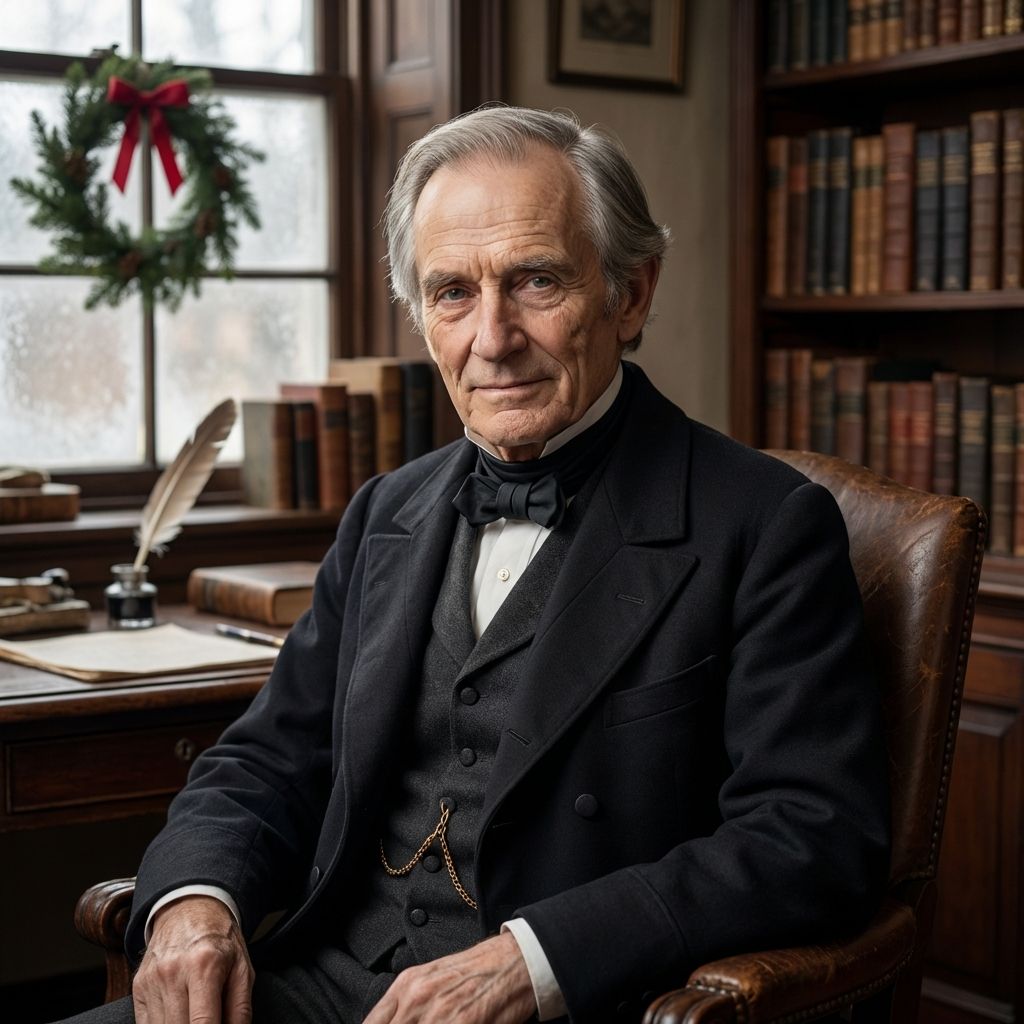
This line is spoken by Ebenezer Scrooge at the climax of Charles Dickens’s novella A Christmas Carol (1843), after the visits of the Ghosts of Christmas Past, Present, and Yet to Come. Having been confronted with the human cost of his miserliness—especially the Cratchit family’s hardship and the prospect of Tiny Tim’s death—Scrooge awakens on Christmas morning determined to change his life. The declaration marks his conversion from isolation and greed to generosity and fellow-feeling, and it encapsulates Dickens’s broader social aim in the book: to promote practical compassion and communal responsibility beyond the holiday season.
Interpretation
Scrooge’s vow reframes Christmas not as a single day of ritual but as a durable moral disposition: warmth, charity, and attentiveness to others. “In my heart” emphasizes inward transformation rather than mere outward festivity, while “all the year” turns seasonal goodwill into an ethical standard for everyday life. In Dickens’s hands, the line functions as both personal resolution and social critique—suggesting that poverty and neglect cannot be answered by occasional sentiment alone. The quote’s enduring appeal lies in its insistence that celebration should culminate in sustained humane action.
Source
Charles Dickens, A Christmas Carol. In Prose. Being a Ghost Story of Christmas (London: Chapman & Hall, 1843), Stave Four (“The Last of the Spirits”).