My aim, then, was to whip the rebels, to humble their pride, to follow them to their inmost recesses, and make them fear and dread us. Fear is the beginning of wisdom.
About This Quote
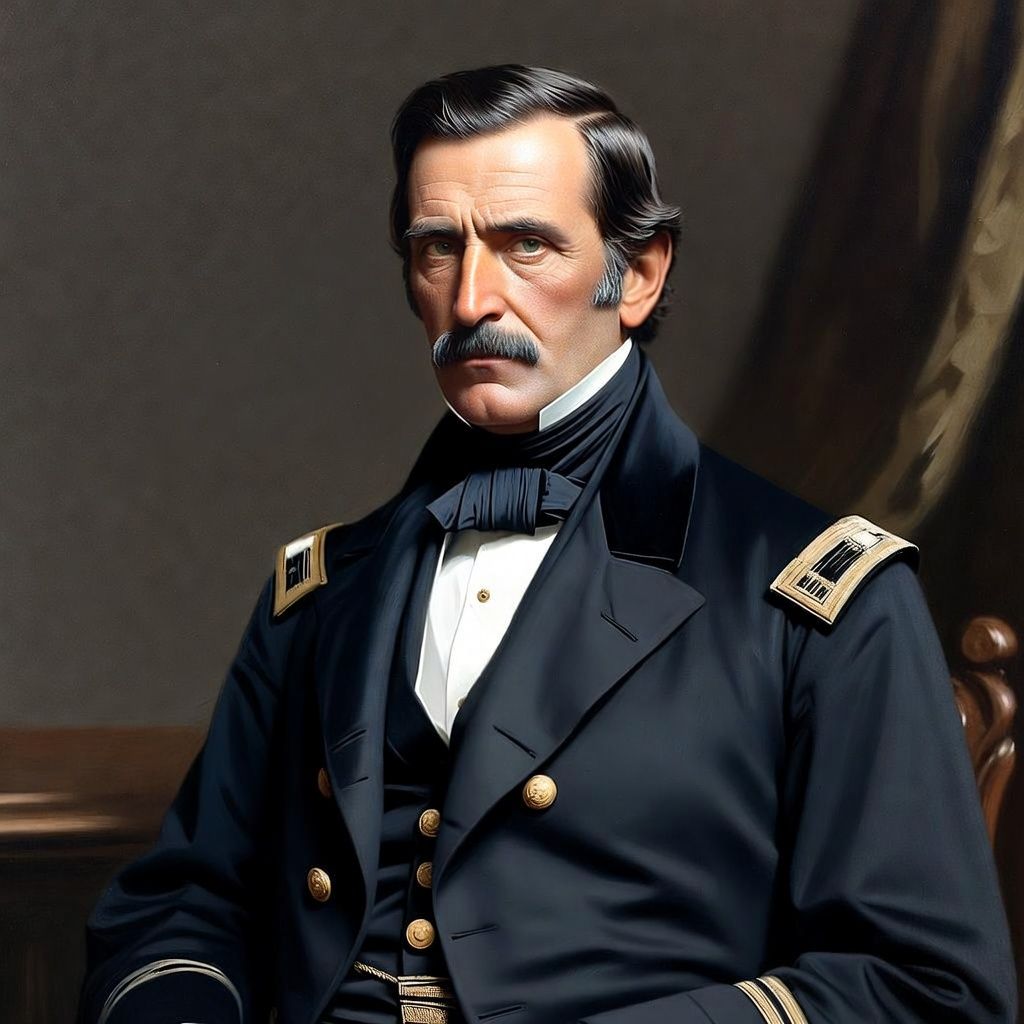
Interpretation
In this statement Sherman frames his Civil War strategy as deliberately psychological as well as military: victory requires not only defeating Confederate armies but breaking the will to continue resisting. The language of “humble their pride” and pursuing rebels into their “inmost recesses” evokes a doctrine of relentless pressure—denying sanctuary, exhausting resources, and demonstrating that continued rebellion brings escalating costs. The closing maxim, “Fear is the beginning of wisdom,” recasts intimidation as a tool of instruction: fear is meant to produce “wisdom” in the form of submission and acceptance of Union authority. The quote thus encapsulates the moral controversy around Sherman’s hard-war approach—whether inducing civilian dread is a legitimate means to shorten war or an ethically troubling form of coercion.