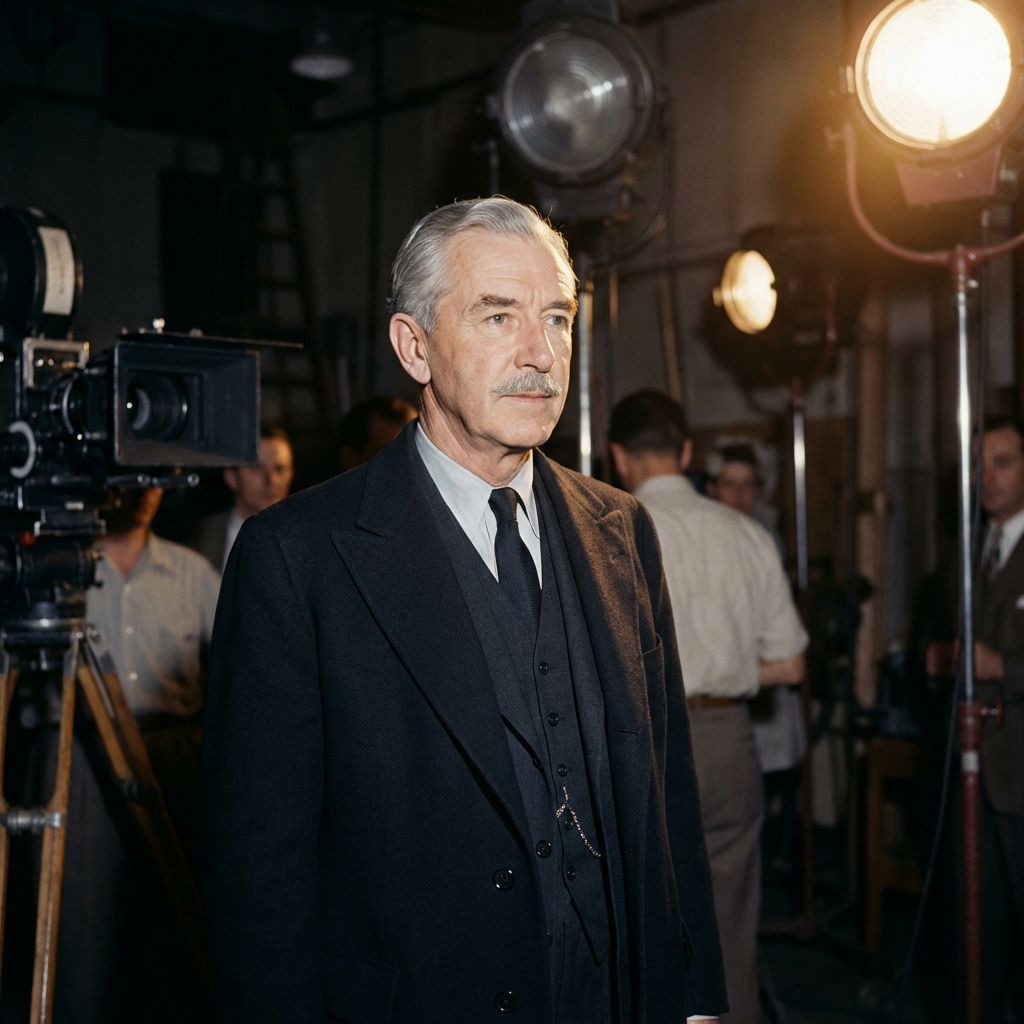
It ain’t necessarily so—
The things that you’re liable
To read in the Bible—
It ain’t necessarily so.
The things that you’re liable
To read in the Bible—
It ain’t necessarily so.
About This Quote
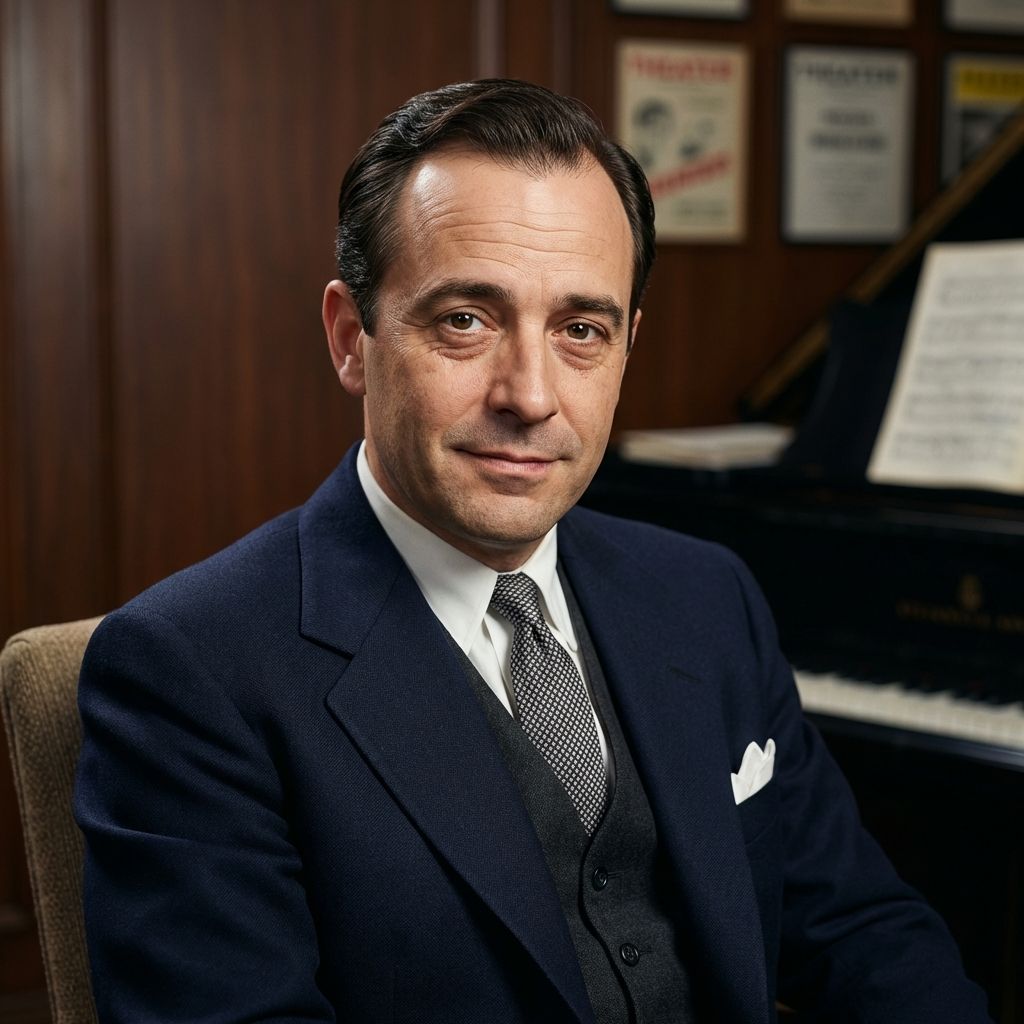
These lines are the refrain of “It Ain’t Necessarily So,” a song with lyrics by Ira Gershwin and music by George Gershwin for the opera Porgy and Bess (1935). In the work, the character Sportin’ Life—a cynical, streetwise drug dealer—sings it to undermine conventional religious belief, mocking literal readings of biblical stories and sowing doubt among the community (including children). The number reflects the opera’s broader tension between faith, hardship, and survival in the African American community of Catfish Row, while also showcasing Gershwin’s use of popular-song idiom and vernacular speech within an operatic framework.
Interpretation
The refrain argues that scriptural statements and familiar religious narratives should not be accepted uncritically: what one “reads in the Bible” may not be “necessarily” true. In context, the skepticism is less a neutral call for interpretive nuance than a persuasive tactic—Sportin’ Life uses doubt to destabilize moral authority and make his own temptations seem reasonable. The lyric’s punch comes from its colloquial certainty (“ain’t”) paired with a logical hedge (“necessarily”), capturing a modern, ironic posture toward inherited belief. More broadly, it dramatizes the conflict between communal faith and individual cynicism, and how rhetoric can weaponize skepticism.
Variations
“It ain’t necessarily so / It ain’t necessarily so / The things that you’re liable / To read in the Bible / It ain’t necessarily so.”
Source
“It Ain’t Necessarily So,” in Porgy and Bess (opera), lyrics by Ira Gershwin, music by George Gershwin; premiered October 10, 1935, Alvin Theatre, New York City.