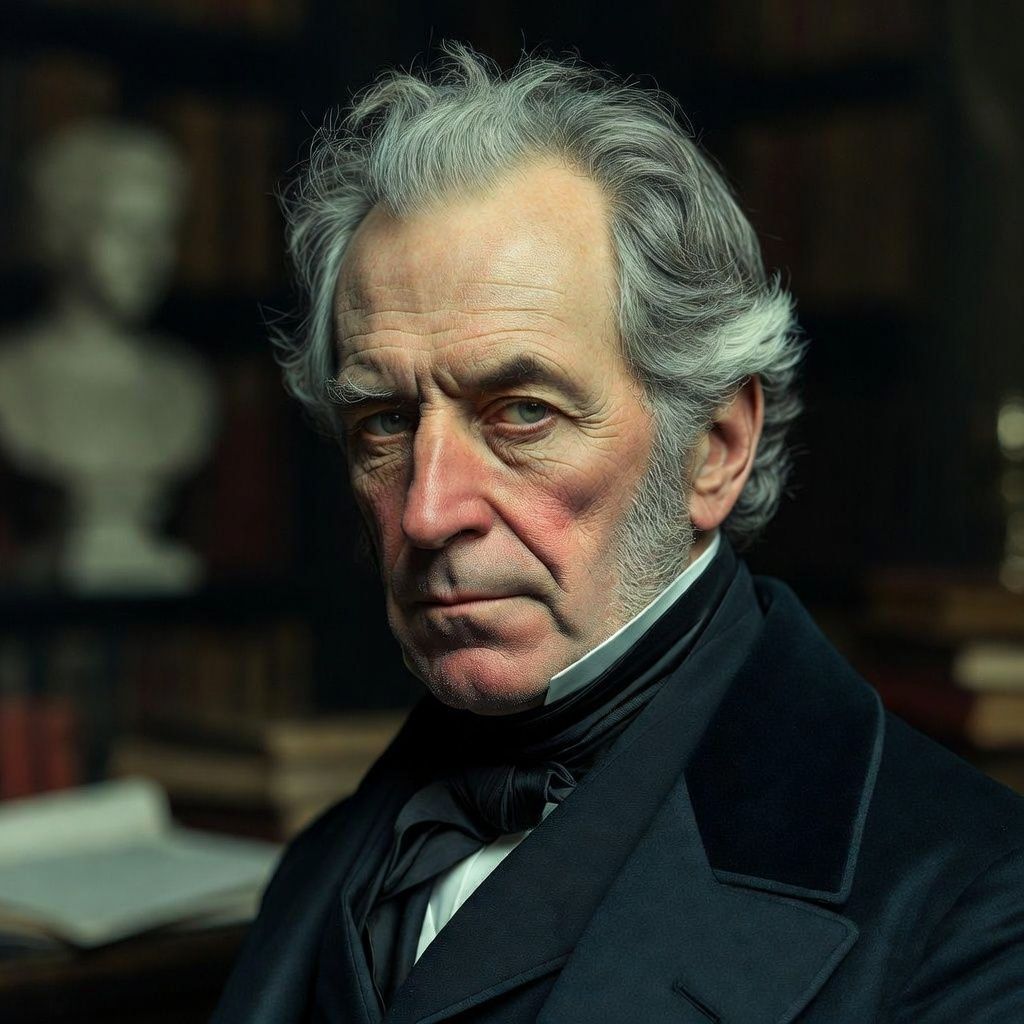
I have always imagined that Paradise will be a kind of library.
About This Quote

Jorge Luis Borges (1899–1986) was not only a writer of labyrinthine fictions but also a lifelong librarian and bibliophile. He worked in libraries in Buenos Aires and later became director of Argentina’s National Library (1955), a post he held while progressively losing his sight—an irony he often reflected on in essays and lectures. The remark about Paradise as a library is widely circulated as a distillation of Borges’s public persona: a man for whom books, reading, and the infinite possibilities of literature were a spiritual vocation. It is commonly attributed to his talks and interviews rather than to a single canonical story or poem.
Interpretation
The line treats reading not as pastime but as a model of blessedness: Paradise is imagined as access to inexhaustible knowledge, beauty, and imaginative freedom. Borges’s “library” also evokes his recurring themes—the infinite, the labyrinth, and the idea that the universe might be structured like a text. In this light, the quote suggests that salvation is not escape from language but immersion in it: an eternal communion with books, memory, and interpretation. It also carries a gentle paradox: a library is orderly yet potentially endless, a place where meaning is pursued but never finally completed—an apt emblem for Borges’s vision of human longing.
Variations
I have always imagined that Paradise will be a kind of library.
I have always imagined paradise as a kind of library.
I always imagined that paradise would be some kind of library.