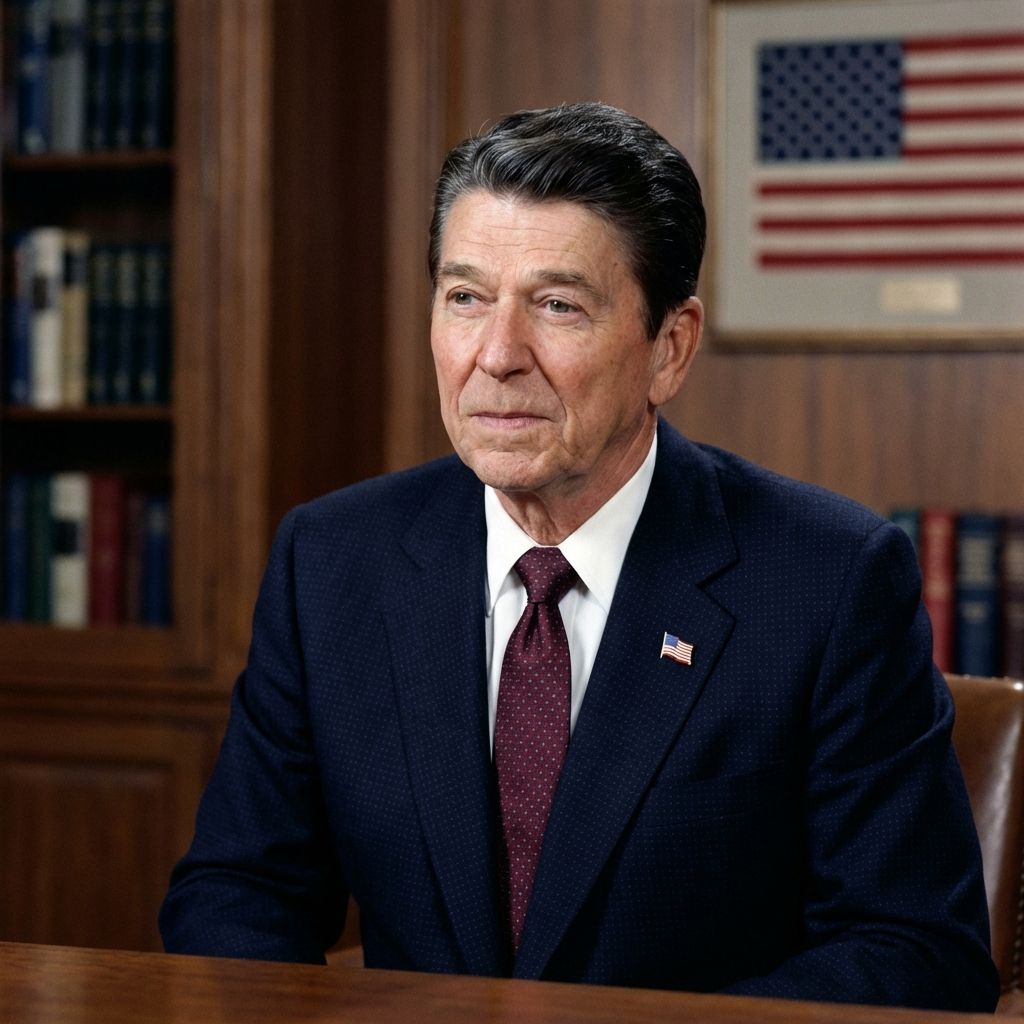
We campaign in poetry. But when we’re elected we’re forced to govern in prose.
About This Quote
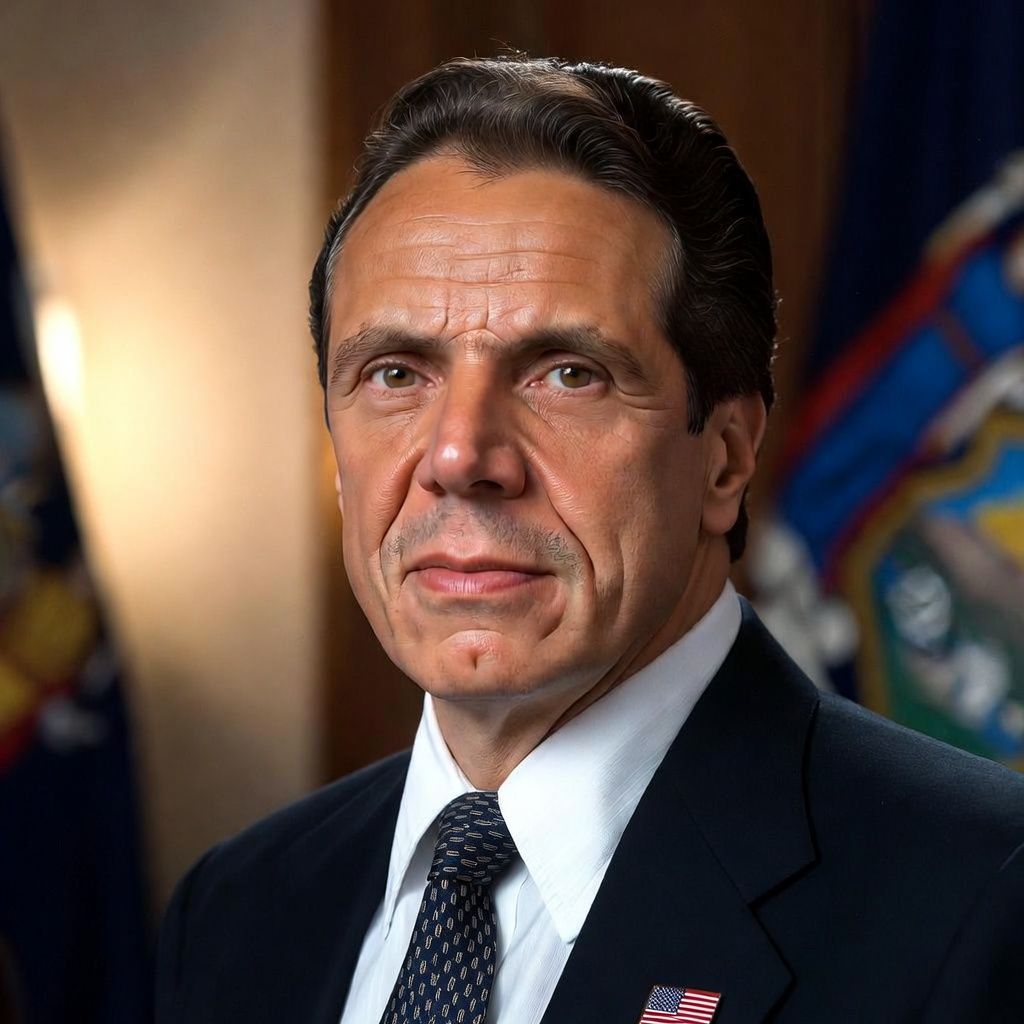
Mario Cuomo (1932–2015), three-term governor of New York, was celebrated for his rhetorical gifts and for framing politics in moral and literary terms. The line about campaigning in “poetry” but governing in “prose” is widely associated with his reflections on the gap between electoral rhetoric and the practical constraints of office—budgets, legislatures, interest groups, and imperfect options. It circulated broadly in press coverage and political commentary as a Cuomo aphorism, often invoked to explain why candidates’ soaring promises tend to become more cautious, incremental policies once they assume responsibility for governing.
Interpretation
The contrast between “poetry” and “prose” captures two modes of political speech and action. Campaigns reward inspiration, idealism, and memorable language—politics as aspiration and identity. Governing, by contrast, requires the unglamorous work of administration: compromise, technical detail, and trade-offs among competing goods. Cuomo’s formulation is not simply cynical; it suggests that democratic politics needs both registers. Poetry can articulate collective purpose and moral direction, while prose is the disciplined craft of turning values into workable institutions and policies under real-world limits.
Variations
1) “You campaign in poetry; you govern in prose.”
2) “We campaign in poetry, but we govern in prose.”
3) “Campaigning is poetry; governing is prose.”