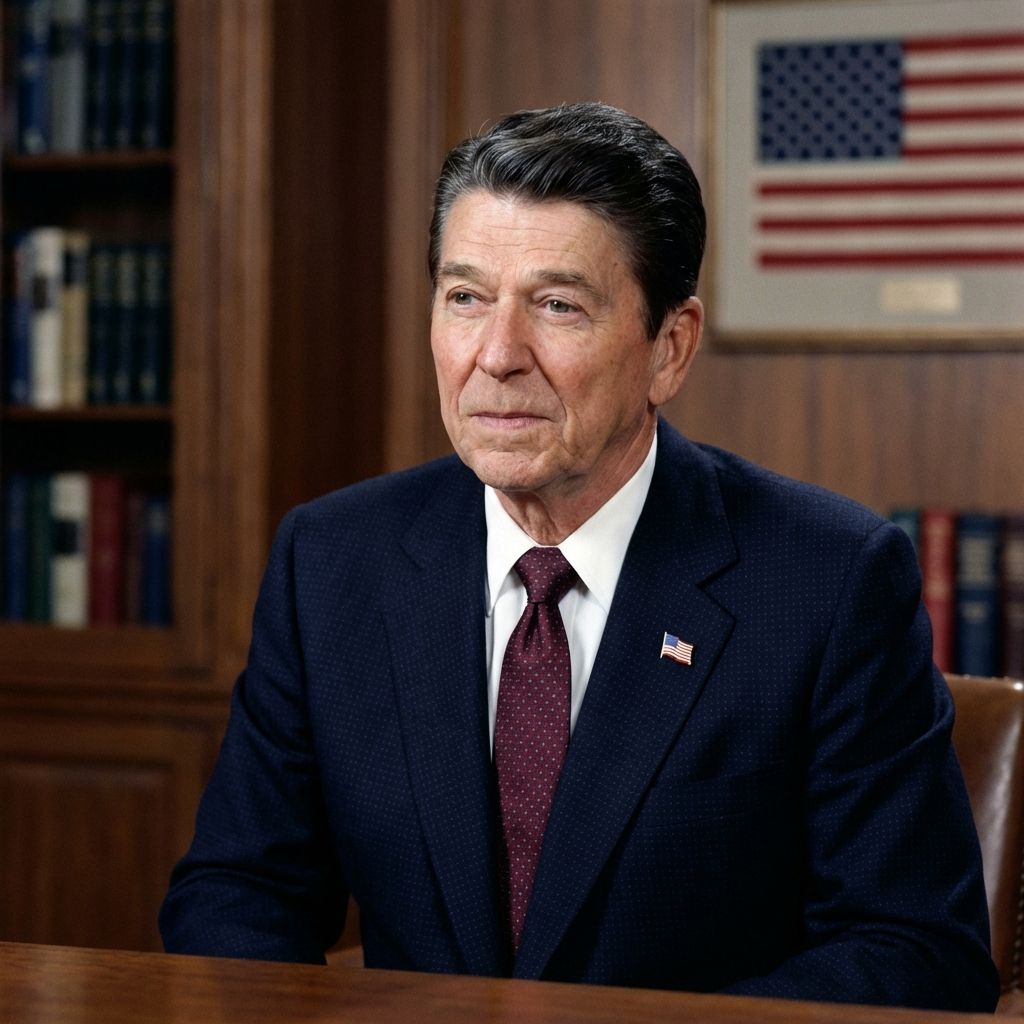
Doctrines provide an architecture for both Republican and Democrat presidents to carry out policies.
About This Quote

Interpretation
Wallop’s remark treats “doctrines” not as abstract theory but as a governing framework: a set of articulated principles that organizes priorities, legitimizes choices, and supplies continuity across administrations. By calling doctrine an “architecture,” he implies that policy is built within a pre-existing structure—guiding what is thinkable, fundable, and defensible—rather than improvised case by case. The bipartisan reference suggests that once a doctrine becomes established (especially in areas like national security or foreign policy), it can constrain and enable presidents of either party, shaping their options and rhetoric even when their platforms differ. The quote underscores how ideas and strategic frameworks can outlast electoral cycles and become institutionalized.