It Don’t Mean a Thing If It Ain’t Got That Swing
About This Quote
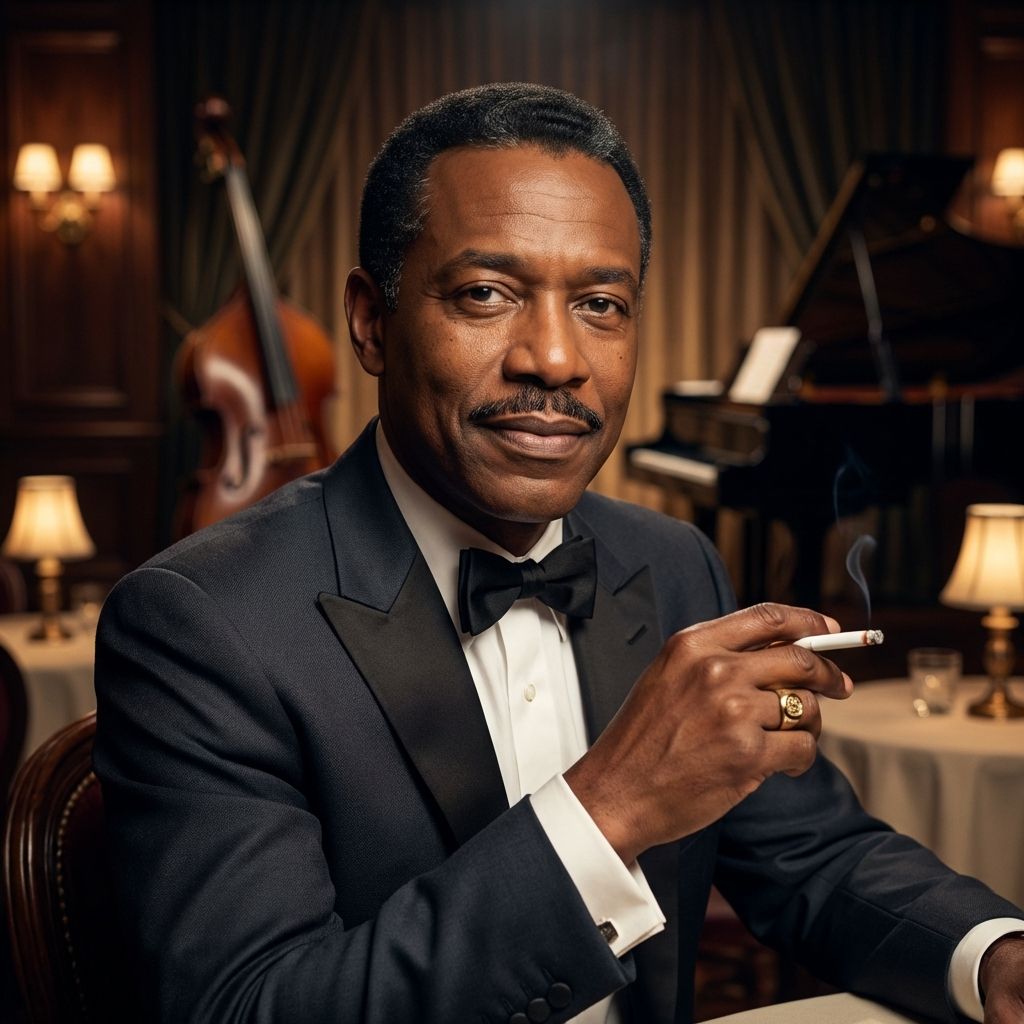
“It Don’t Mean a Thing (If It Ain’t Got That Swing)” is the title and hook line of a jazz standard composed by Duke Ellington with lyrics by Irving Mills, first introduced by Ellington’s orchestra in the early swing era. The song was recorded by Ellington in 1932 and quickly became a kind of manifesto for the emerging swing style, emphasizing rhythmic drive and feel over mere technical display. The phrase is often quoted as Ellington’s dictum about jazz performance, reflecting the bandleader’s role in shaping popular big-band sound and the period’s broader cultural shift toward dance-oriented, rhythm-forward music.
Interpretation
The line asserts that musical value is inseparable from “swing”—the propulsive rhythmic feel, phrasing, and collective groove that makes jazz come alive. On one level it is a playful, vernacular slogan; on another it is an aesthetic claim: technique, harmony, and arrangement “don’t mean a thing” without the intangible vitality that animates them in performance. Because “swing” is partly unnotatable—carried in timing, accent, and ensemble interplay—the quote also elevates lived musical practice over abstract rules. Its endurance comes from how easily it generalizes: in art and work alike, craft matters, but without spirit and momentum the result falls flat.
Variations
1) “It don’t mean a thing if it ain’t got that swing.”
2) “It don’t mean a thing, if it ain’t got that swing.”
3) “It don’t mean a thing if it ain’t got that swing, doo-wah, doo-wah, doo-wah, doo-wah.”
Source
Duke Ellington and Irving Mills, “It Don’t Mean a Thing (If It Ain’t Got That Swing),” recorded by Duke Ellington and His Orchestra (1932).