Drama is life with the dull bits cut out.
About This Quote
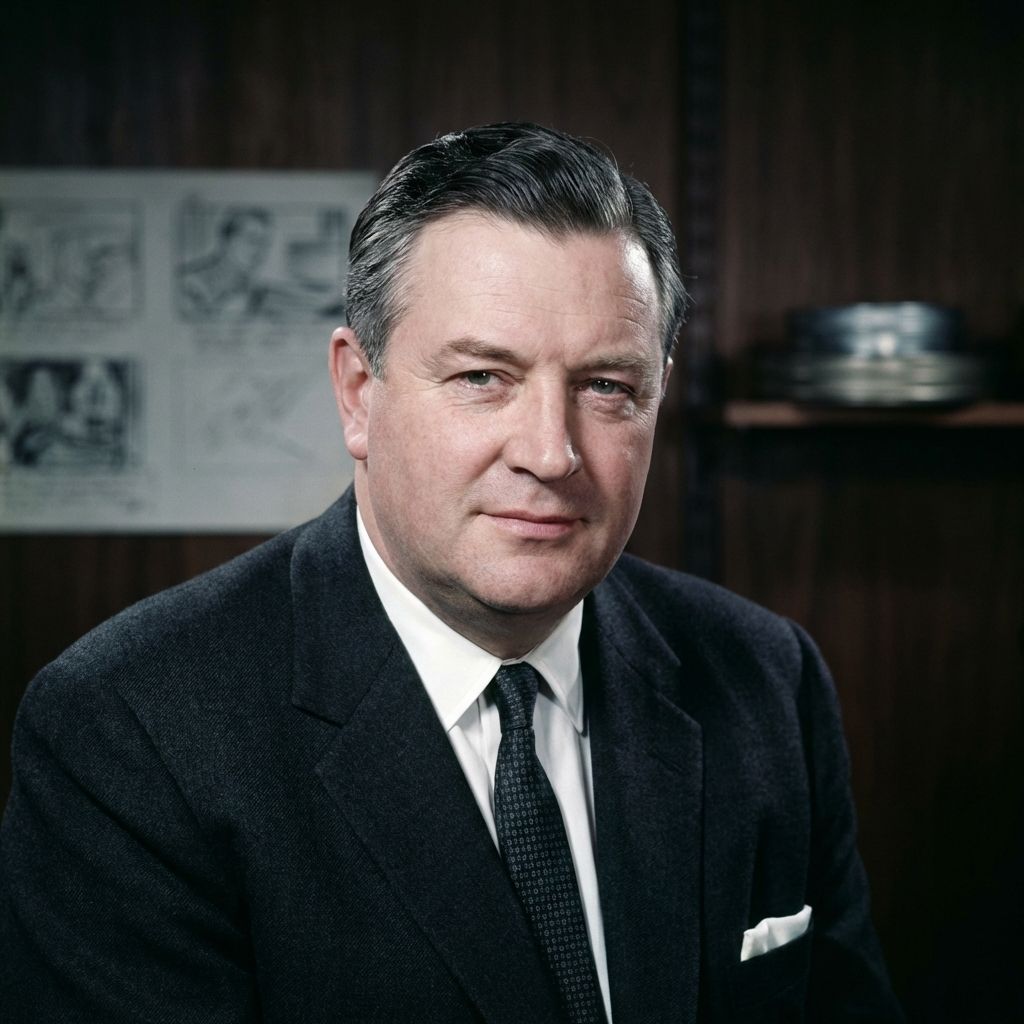
Alfred Hitchcock used this remark in the context of explaining his approach to storytelling and film construction: cinema, for him, was not a neutral record of everyday reality but a crafted selection of moments designed to sustain audience attention and emotion. The line reflects his broader public persona in interviews and promotional conversations, where he contrasted “real life” (full of routine and downtime) with the director’s job of shaping events into suspenseful, meaningful sequences. It aligns with his emphasis on pacing, omission, and the deliberate manipulation of what the viewer sees and when.
Interpretation
The remark defines drama not as a mirror of reality but as a deliberate distillation of it. Life contains repetition, waiting, and incidental detail; drama removes or compresses those “dull bits” to reveal a pattern of conflict, desire, and consequence. Implicitly, Hitchcock is defending artifice: effective storytelling depends on selection, pacing, and omission as much as on what is shown. The quote also gestures toward editing as an ethical and aesthetic act—shaping audience attention to produce meaning and emotion. In Hitchcock’s case, the “cutting out” is not merely shortening but intensifying: arranging events so that suspense, surprise, and psychological pressure become the dominant experience.
Variations
["Drama is life with the dull bits left out."]