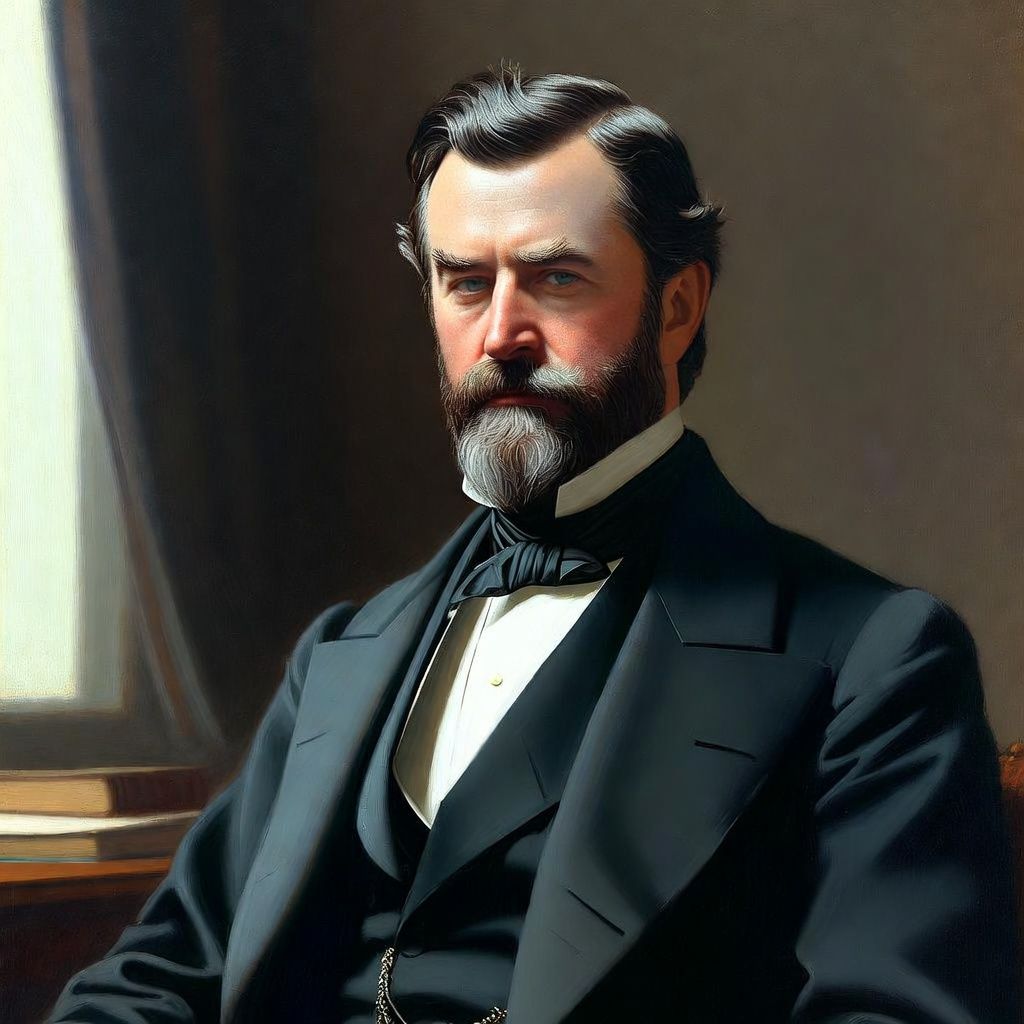
“And everybody praised the duke,
Who this great fight did win.”
“But what good came of it at last?”
Quoth little Peterkin.
“Why, that I cannot tell,” said he;
“But ’twas a famous victory.”
Who this great fight did win.”
“But what good came of it at last?”
Quoth little Peterkin.
“Why, that I cannot tell,” said he;
“But ’twas a famous victory.”
About This Quote

These lines come from Robert Southey’s short ballad “The Battle of Blenheim,” a poem written in the late 1790s and published in 1798 in his collection *Poems*. The poem is set in the countryside near Blenheim (Blenheim Palace area), where an old man, Kaspar, tells children (including “little Peterkin”) about the famous Battle of Blenheim (1704) during the War of the Spanish Succession. Southey, associated with early Romanticism, uses the child’s questioning to expose how patriotic storytelling can celebrate military glory while evading the human cost and the political meaning of war.
Interpretation
The exchange is a pointed satire of empty triumphalism. Although “everybody praised the duke” for winning, Peterkin’s simple question—what good came of it?—cuts through the rhetoric of “famous victory.” Kaspar’s inability to explain any benefit, despite repeating the phrase, suggests how societies can inherit and repeat narratives of glory without understanding (or admitting) their purpose. Southey contrasts public praise with moral and practical emptiness, implying that victory can be celebrated even when it yields no clear good and is purchased with suffering. The poem’s childlike dialogue makes the critique sharper: the most basic moral inquiry exposes the hollowness of conventional war praise.
Source
Robert Southey, “The Battle of Blenheim,” in *Poems* (Bristol: Joseph Cottle, 1798).