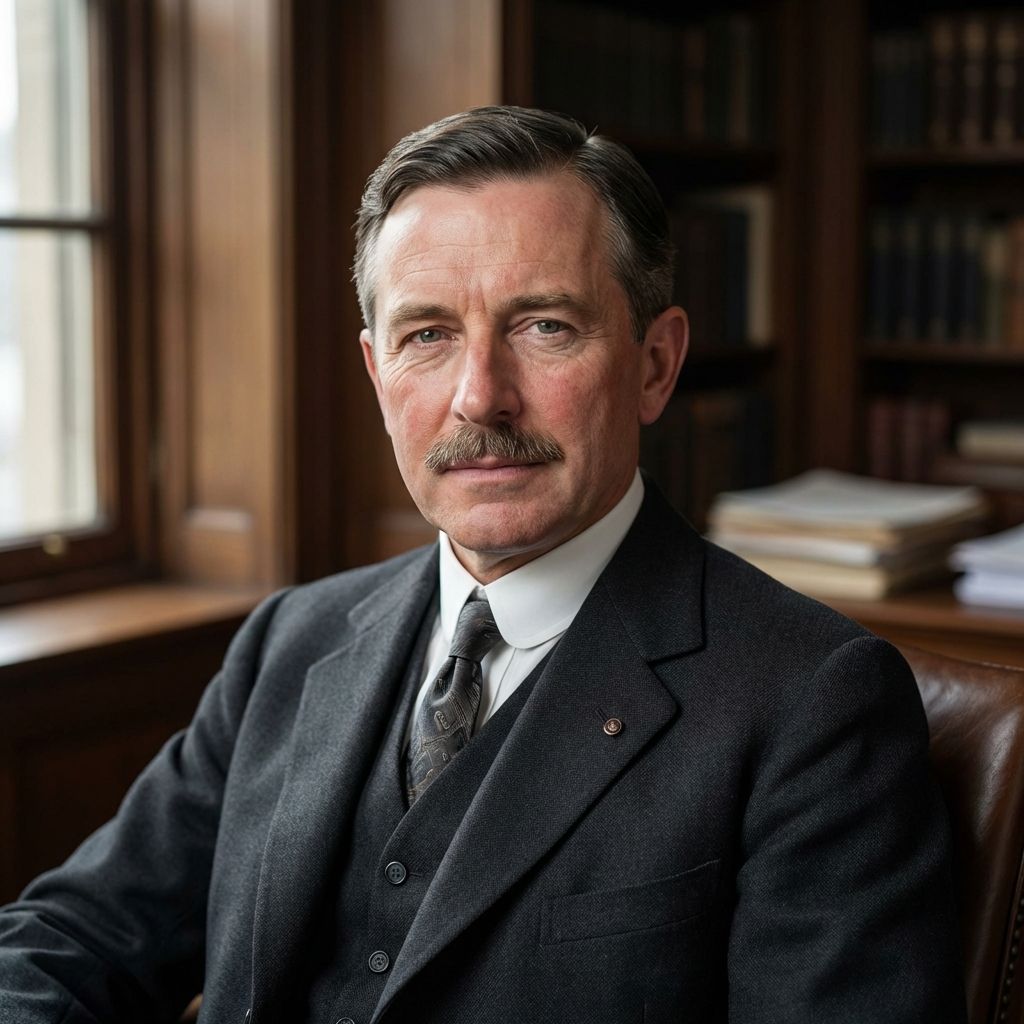
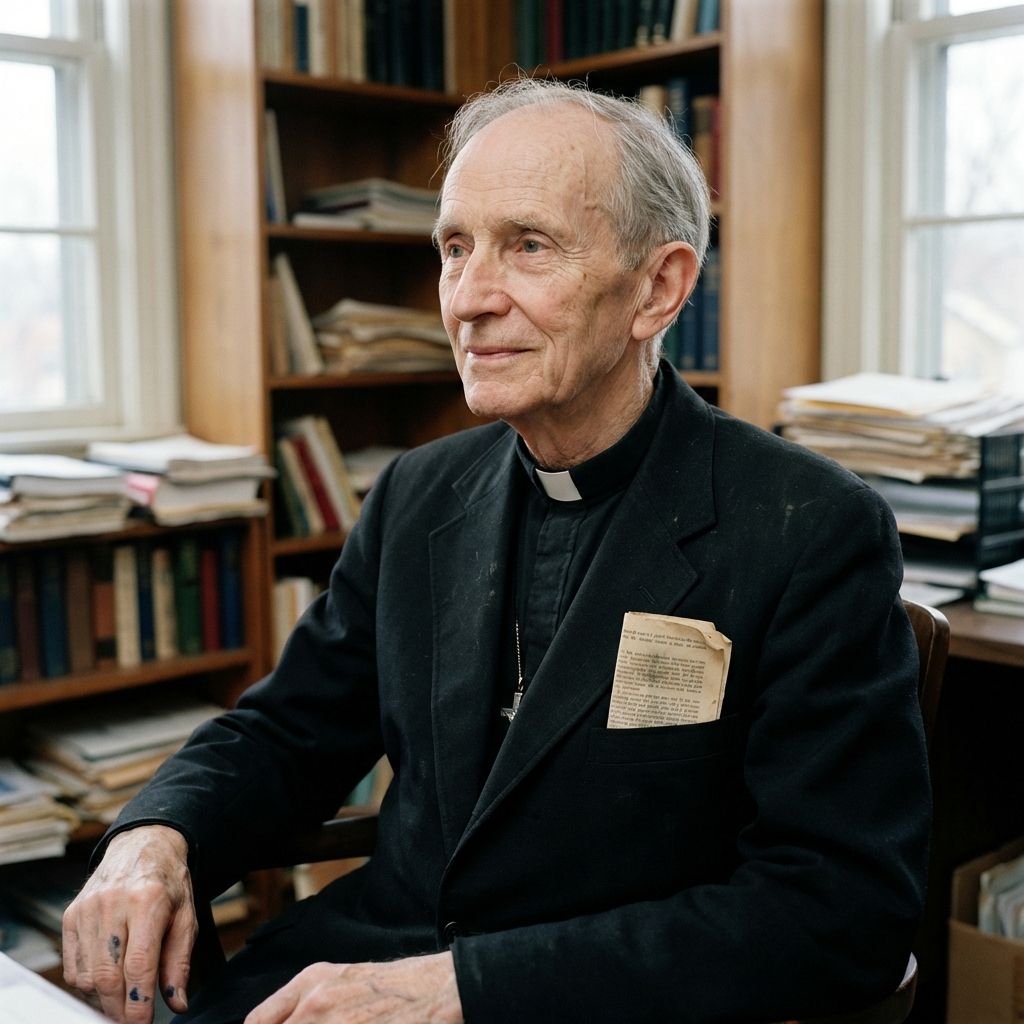
When a father gives to his son, both laugh; when a son gives to his father, both cry.
About This Quote

This saying is commonly labeled a Yiddish proverb and reflects the social world of Eastern European Jewish communities, where family obligation and intergenerational support were central moral themes. In traditional settings, fathers were expected to provide materially and guide their children; such giving is associated with pride, security, and the natural order of life. The reversal—an adult child providing for an aging father—signals the father’s decline and the passage of time, often accompanied by grief, tenderness, and a sense of loss. Like many proverbs, it likely circulated orally long before appearing in print, and is often quoted in English translation in collections of Jewish/Yiddish wisdom.
Interpretation
The proverb contrasts two kinds of generosity: giving that affirms strength versus giving that acknowledges vulnerability. A father’s gift to a son is joyful because it fits expectations—provision flows “downward” as part of growth and hope. A son’s gift to a father can be loving and honorable, yet it carries sorrow because it marks role reversal and mortality: the parent who once protected now needs support. The line compresses an entire life cycle into two images, suggesting that the emotional weight of a gift depends not only on the act itself but on what it signifies about time, dependence, and the changing balance of care within a family.
Variations
When a father gives to his son, both laugh; when a son gives to his father, both weep.
When the father gives to the son, both smile; when the son gives to the father, both cry.
When a father gives to a child, both laugh; when a child gives to his father, both cry.