Some films are slices of life. Mine are slices of cake.
About This Quote
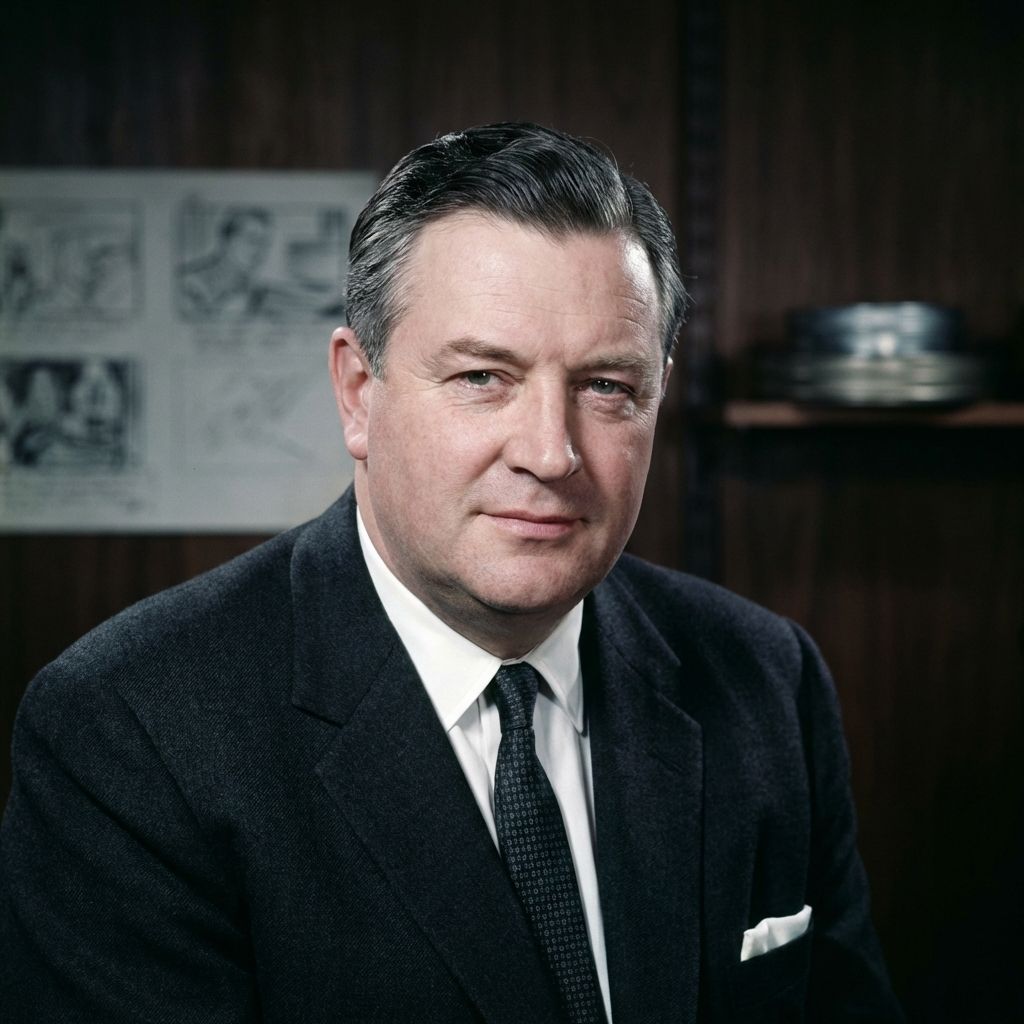
Alfred Hitchcock used this quip in interviews to characterize his approach to filmmaking as deliberately artificial and crafted rather than naturalistic. In mid‑century film culture, “slice of life” was a common label for realist drama; Hitchcock positioned his thrillers against that ideal, emphasizing entertainment, design, and controlled manipulation of audience emotion. The remark fits his broader public persona—wry, self-deprecating, and technically minded—and echoes his frequent insistence that suspense is an engineered effect achieved through structure, timing, and point of view rather than through documentary realism.
Interpretation
The contrast between “slices of life” and “slices of cake” frames Hitchcock’s cinema as confection: pleasurable, heightened, and meticulously prepared. He suggests that his films are not meant to mirror ordinary experience but to offer a richer, more concentrated sensation—sweetness, surprise, and indulgence—produced by craft. The line also defends stylization as an artistic choice: like a cake, a Hitchcock film is assembled from selected ingredients (plot mechanics, visual composition, music, performance) and presented to maximize audience response. It’s a compact statement of his belief that cinema is, above all, constructed spectacle.