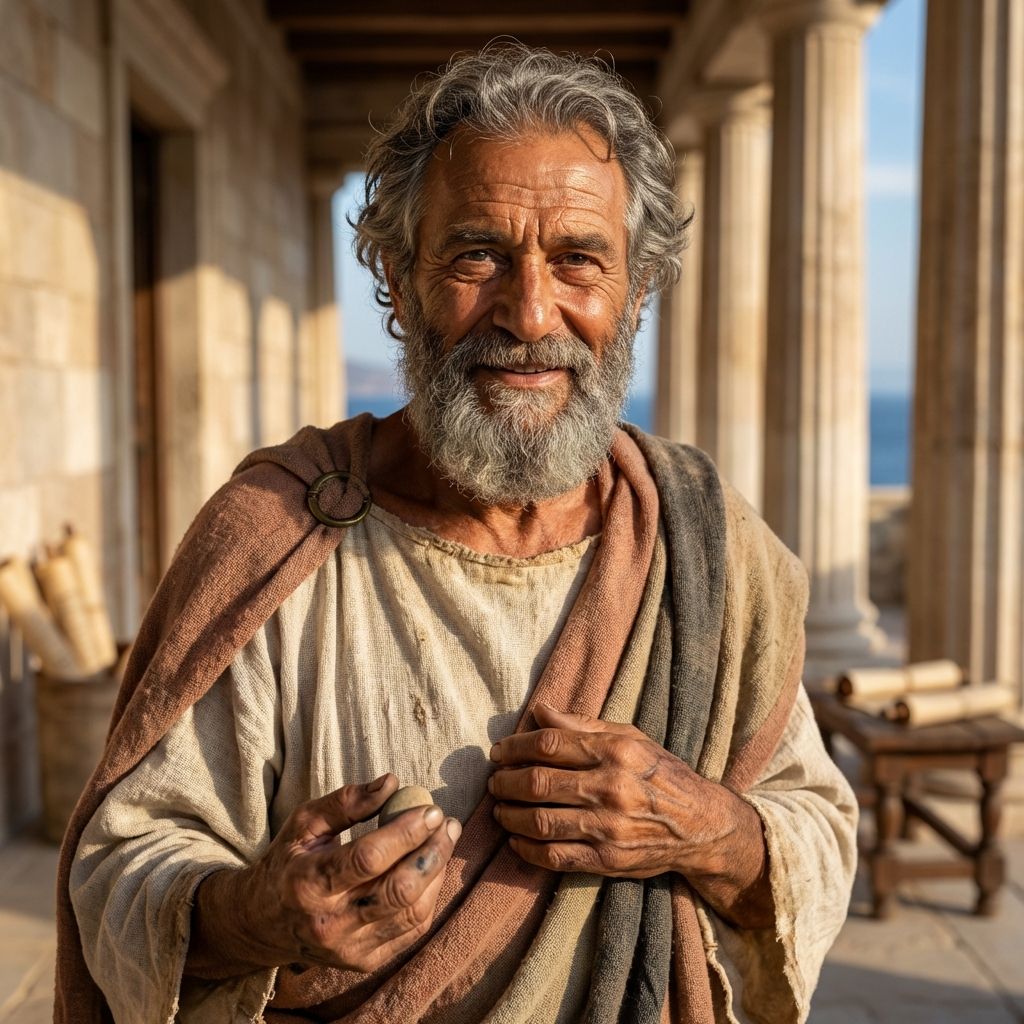
We should forgive our enemies, but not before they are hanged
About This Quote

Interpretation
Heine’s line is a deliberately paradoxical epigram: it invokes the Christian ideal of forgiving one’s enemies while simultaneously insisting on retribution first. The humor is black and satirical, exposing how “forgiveness” can be used as a moral pose that costs the forgiver nothing once vengeance has already been taken. Read politically, it also mocks pious or liberal rhetoric that preaches reconciliation while tolerating harsh punishment by the state. The sting of the aphorism lies in its timing—“forgive,” but only after the enemy is powerless—suggesting that proclaimed magnanimity often masks vindictiveness or hypocrisy.
Variations
1) "We should forgive our enemies—but not before they have been hanged."
2) "We must forgive our enemies, but not until they are hanged."