If it’s a good movie, the sound could go off and the audience would still have a perfectly clear idea of what was going on.
About This Quote
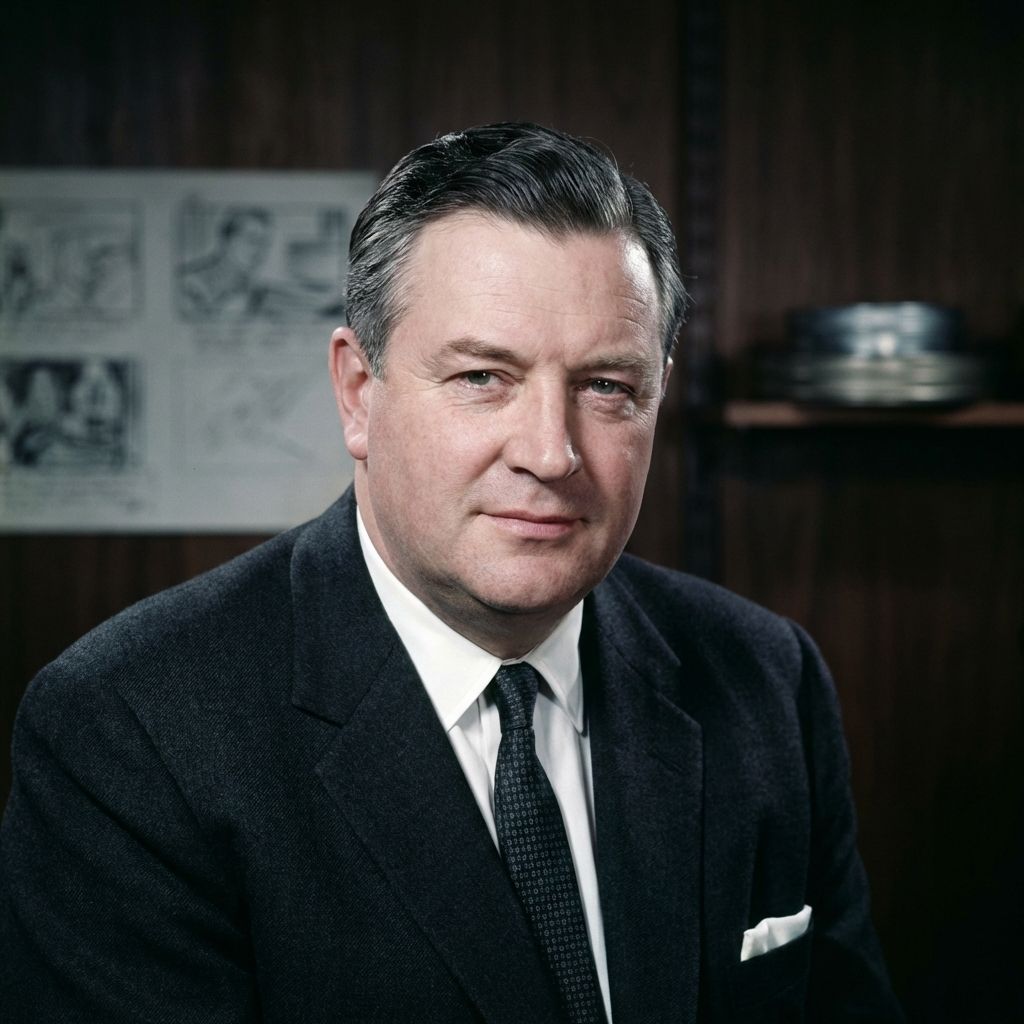
Alfred Hitchcock repeatedly stressed cinema as a primarily visual art, shaped by his silent-film apprenticeship in Britain during the 1920s. In interviews across his career—especially as he became identified with meticulous storyboarding and “pure cinema”—he argued that a film’s narrative should be intelligible through images, staging, and cutting rather than dialogue or explanatory sound. The remark reflects his broader skepticism toward talk-heavy filmmaking after the coming of sound, and his belief that suspense and clarity come from visual information control: what the audience sees, when they see it, and how shots are arranged to guide understanding.
Interpretation
Hitchcock’s point is a practical aesthetic test: if you can mute a film and still follow the story, the filmmaking is doing its job. He is not dismissing sound, music, or dialogue, but insisting they should enhance rather than carry the narrative. The quote champions visual storytelling—clear blocking, expressive composition, and purposeful editing—so that meaning is conveyed through action and image logic instead of verbal explanation. It also implies a standard of cinematic economy: the best films communicate efficiently, letting viewers infer motives and plot through what is shown, which is central to Hitchcock’s suspense technique.