Only in grammar can you be more than perfect.
About This Quote
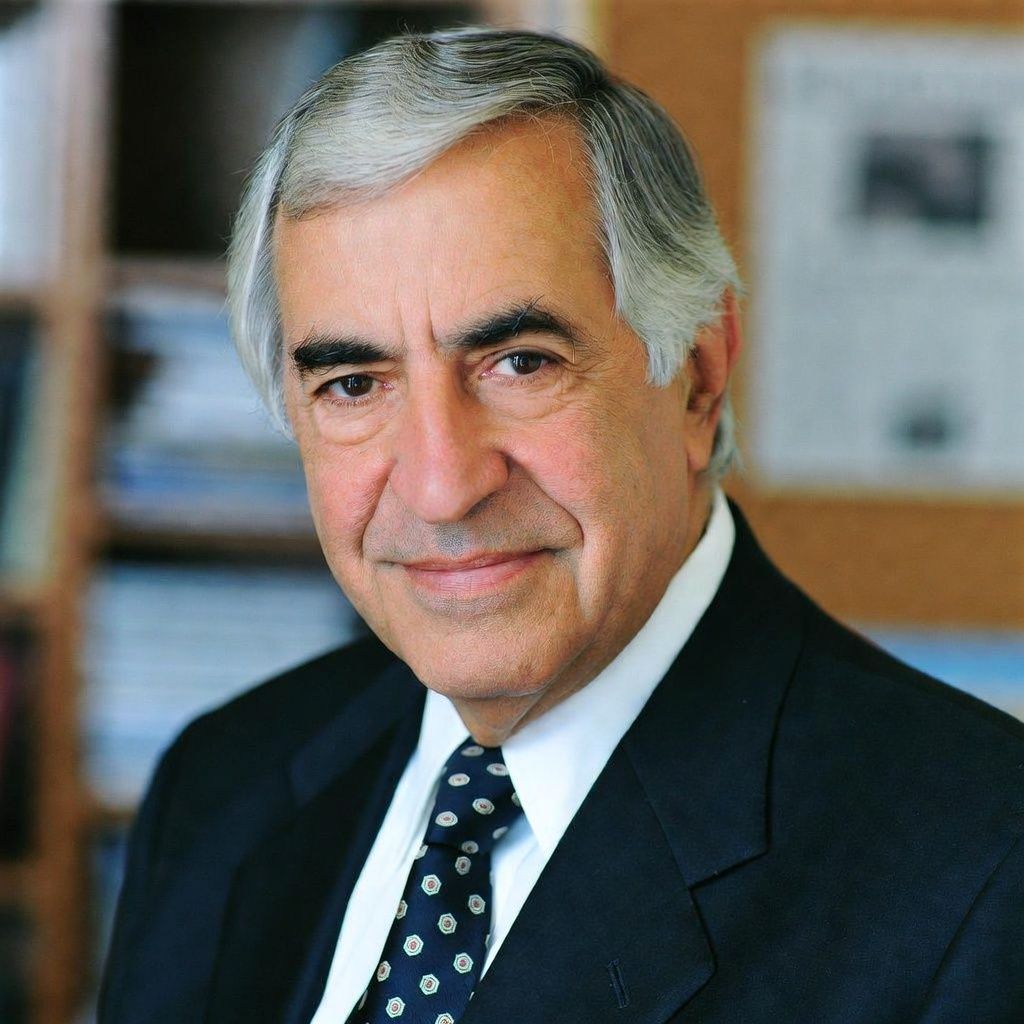
William Safire (1929–2009), a journalist and longtime language columnist, was known for poking fun at linguistic pedantry while also taking usage seriously. This quip circulates in the orbit of his public persona as a commentator on “proper” English—especially the way people argue about correctness, style, and rules. The line plays on the everyday idea that “perfect” is an absolute, yet in grammar classrooms and usage debates people routinely speak of degrees of correctness (“more correct,” “most correct”), as if perfection could be exceeded. The remark fits Safire’s characteristic blend of wit and prescriptive-awareness, teasing the habits of grammarians and copy editors who treat language as a domain of fine-grained scoring.
Interpretation
The joke hinges on a logical paradox: in ordinary logic, “perfect” admits no comparative—nothing can be “more than perfect.” Yet in real language use, speakers often form comparatives from absolutes (“more unique,” “most perfect”), especially when they mean “closer to the ideal” rather than “absolutely ideal.” Safire’s line gently satirizes the impulse to quantify correctness in grammar, where tiny deviations can be treated as measurable faults and where “better” and “best” are constantly invoked. It also hints at the tension between strict logical definitions and how English actually works in practice: grammar is the arena where people most insist on absolutes while simultaneously grading them.