Grow old with me! The best is yet to be.
About This Quote
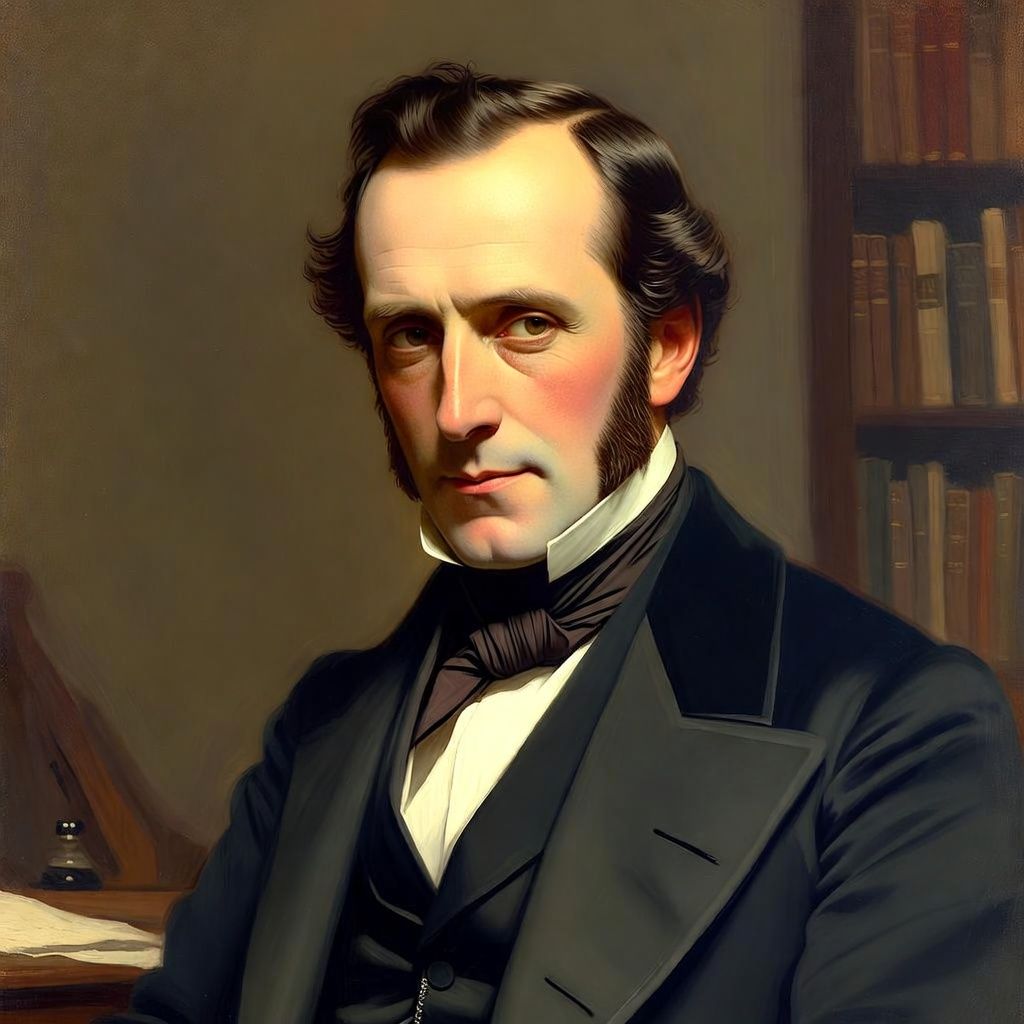
This line comes from Robert Browning’s poem “Rabbi Ben Ezra,” first published in his 1864 collection *Dramatis Personae*. Browning writes in the voice of the medieval Jewish philosopher Abraham ibn Ezra, using the dramatic monologue form to reflect on aging, spiritual growth, and the purpose of life. Written in Browning’s later middle age, the poem participates in Victorian debates about faith, doubt, and progress, arguing against despair in old age. The opening apostrophe—“Grow old along with me”—frames the poem as an invitation to a companion (and to the reader) to view later life not as decline but as the stage in which life’s meaning becomes clearer.
Interpretation
The quotation expresses a defiant optimism about aging: the speaker urges a companion to embrace growing old together because life’s fullest value is not exhausted in youth. “The best is yet to be” suggests that later years can bring deeper understanding, moral refinement, and spiritual completion—an idea Browning develops by contrasting the partial achievements of youth with the larger design of a life seen whole. In the poem, aging becomes evidence of purpose rather than failure: unfinished desires and imperfect outcomes are reinterpreted as signs that human life points beyond immediate results toward a larger fulfillment.
Extended Quotation
“Grow old along with me!
The best is yet to be,
The last of life, for which the first was made:”
Variations
“Grow old along with me! The best is yet to be.”
Source
Robert Browning, “Rabbi Ben Ezra,” in *Dramatis Personae* (London: Chapman and Hall, 1864).