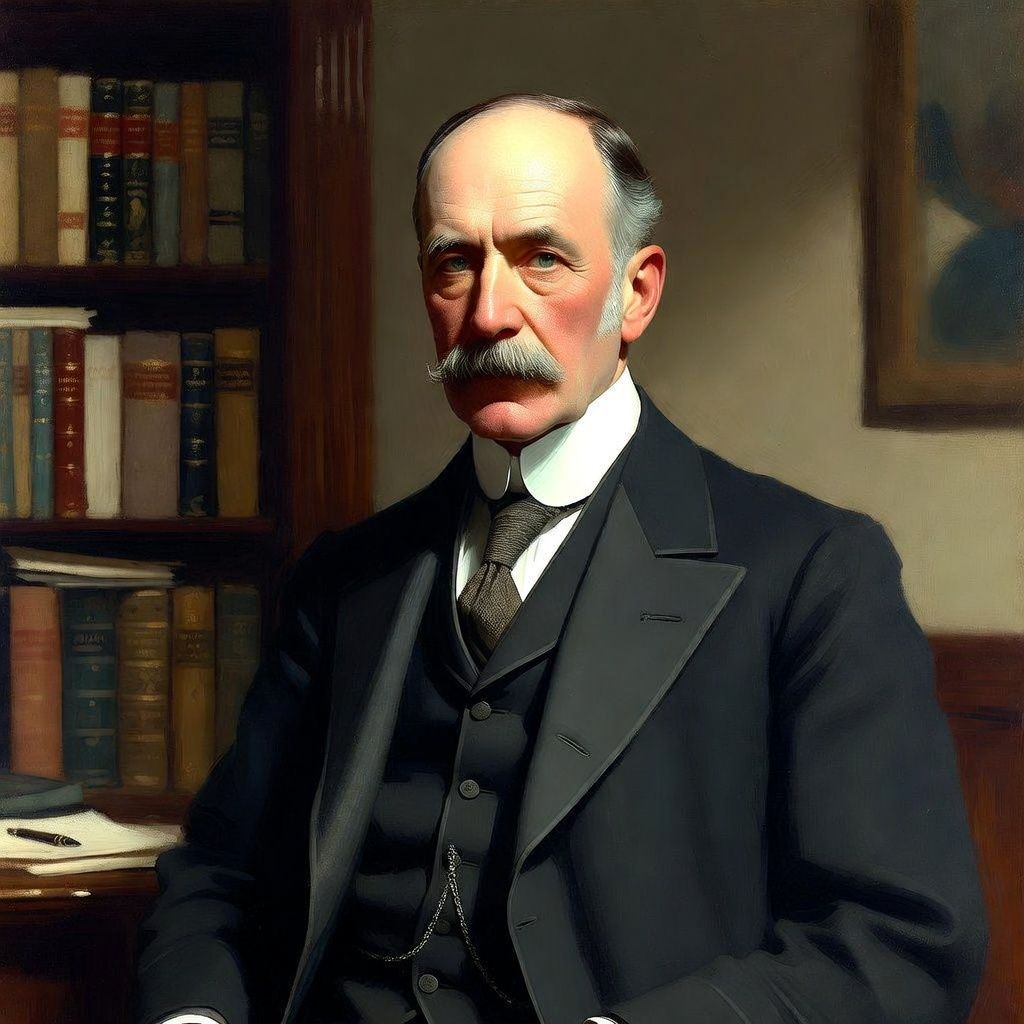
He who has health has hope; and he who has hope has everything.
About This Quote

This saying circulates in English as an “Arabic proverb,” typically invoked in contexts of illness, recovery, and moral encouragement rather than tied to a single identifiable speaker or occasion. It reflects a common theme in Middle Eastern proverbial wisdom: bodily well-being is the precondition for effective action, resilience, and a forward-looking spirit. In modern usage it often appears in health-related writing (convalescence, public health messaging, self-help aphorisms) to stress that physical vitality undergirds optimism and the capacity to pursue one’s aims. Because proverbs are transmitted orally and through many collections, pinpointing a first appearance in Arabic or a definitive historical moment is difficult.
Interpretation
The proverb builds a chain of dependence: health enables hope, and hope enables “everything” else—ambition, endurance, love, work, and meaning. It suggests that without basic physical well-being, even material resources can feel unusable, because illness narrows one’s horizon and drains agency. Conversely, health fosters the psychological capacity to imagine a future and to pursue it; hope becomes a multiplier that turns possibilities into lived outcomes. The statement is not a denial of hardship but a prioritization: protect health first, because it underwrites the mental and practical energy required to meet life’s challenges and to value what one has.