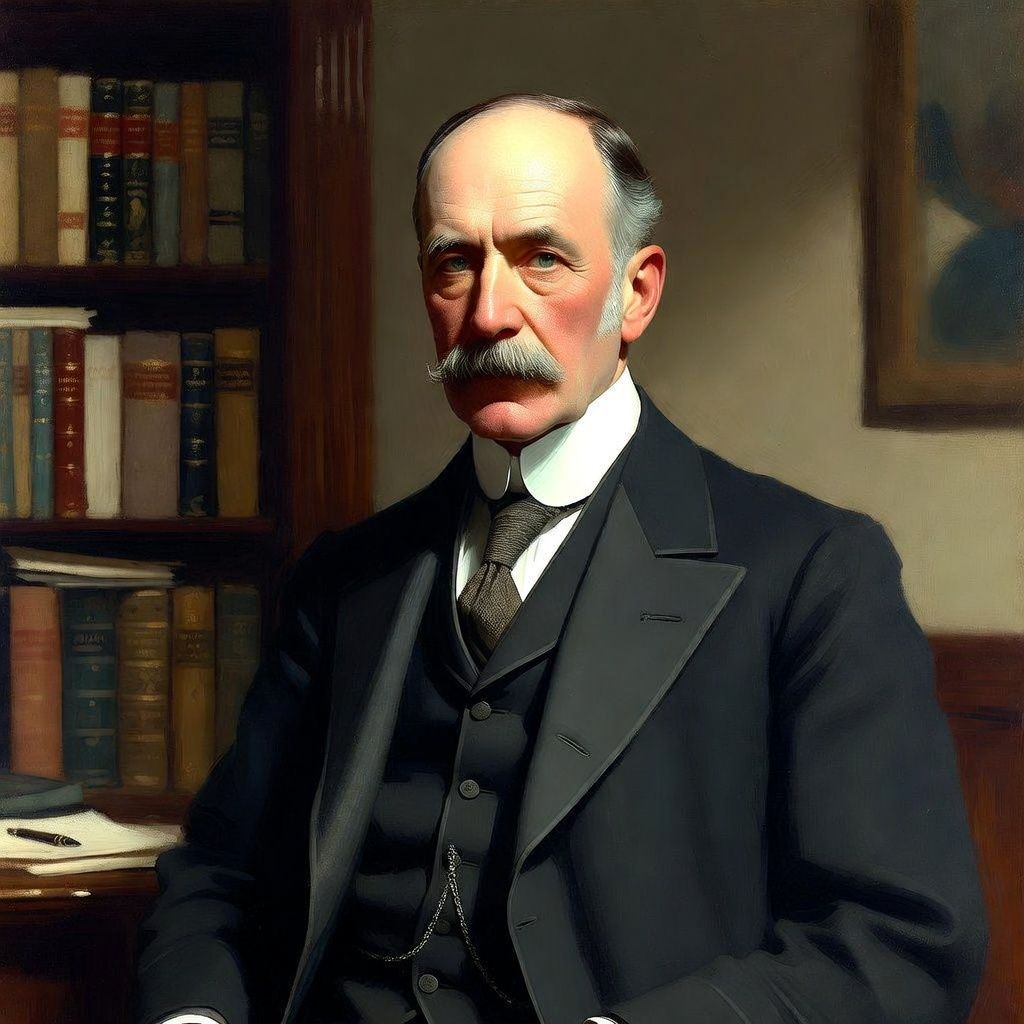
Health is not valued until sickness comes.
About This Quote

Thomas Fuller (1608–1661), the English churchman and moralist, was known for compact, proverbial observations on everyday life—especially in his collections of “gnomes” and aphorisms. The sentiment that people only appreciate health after losing it fits squarely within the early modern tradition of moral reflection, where bodily well-being was often treated as a divine gift taken for granted until adversity forces recognition. Fuller wrote through periods of political upheaval and personal displacement during the English Civil Wars, and his works frequently turn common experience into ethical counsel. This line is typically cited as one of his brief maxims rather than as part of a longer argument.
Interpretation
The aphorism points to a recurring human blind spot: we normalize what is stable and pleasant, so health becomes invisible until illness makes it conspicuous. Fuller’s phrasing implies a moral lesson as much as a psychological one—gratitude and prudent care should precede crisis, not follow it. The quote also suggests that suffering can function as a harsh teacher, recalibrating values by revealing what truly underwrites daily life. In a broader ethical sense, it warns against complacency and encourages attentiveness to ordinary goods (health, time, peace) before they are threatened or lost.
Variations
“Health is not valued till sickness comes.”