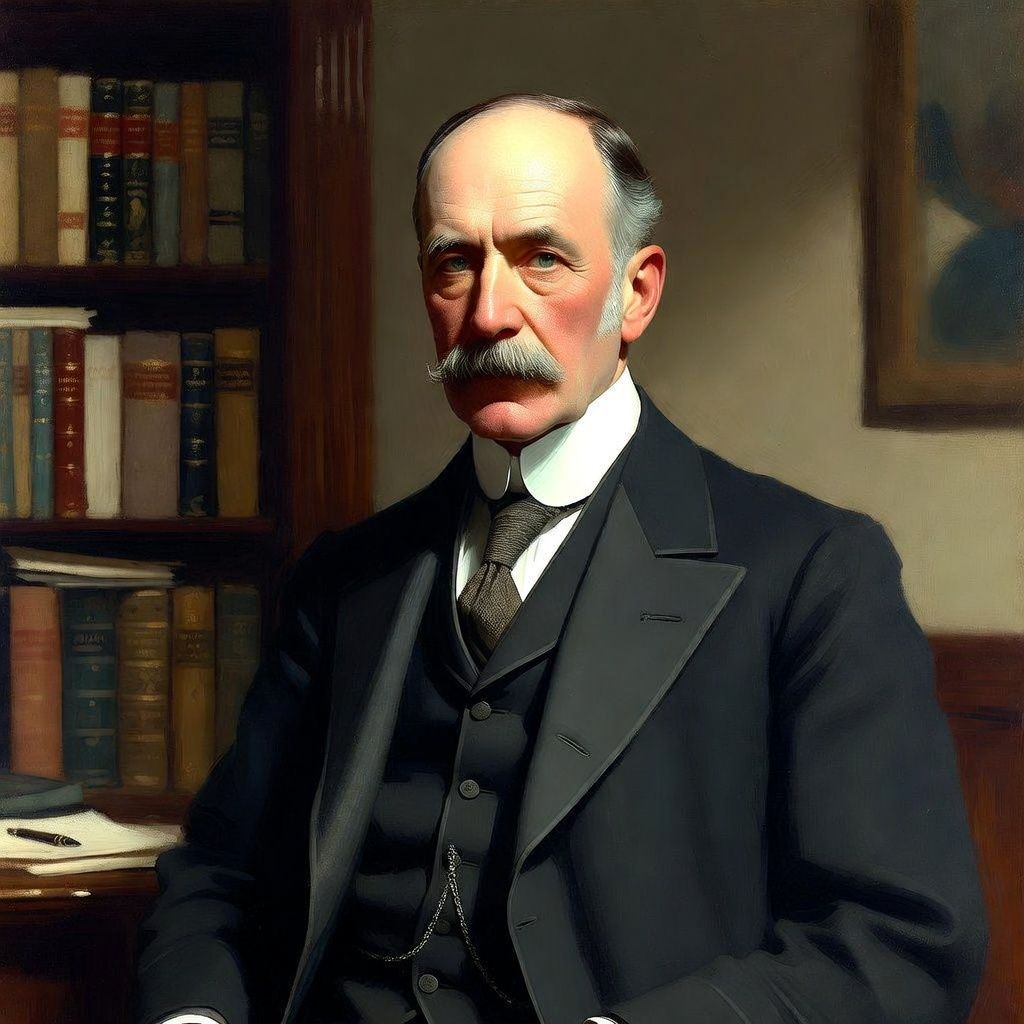
Health is not valued till sickness comes.
About This Quote

Thomas Fuller (1608–1661), an English churchman and prolific writer, is best known for his moral and proverbial observations. This line belongs to the tradition of early modern “sententiae”—compact sayings meant to instruct by everyday experience. Fuller wrote during a period marked by recurrent outbreaks of disease and high mortality, when illness was a common, disruptive fact of life. In that setting, reflections on bodily well-being naturally served as moral reminders about gratitude and foresight. The aphorism appears among Fuller’s collected maxims, where he repeatedly contrasts human complacency in prosperity with sudden clarity in adversity.
Interpretation
The saying observes a familiar psychological pattern: people tend to treat health as an invisible baseline until it is threatened or lost. Fuller’s point is not merely medical but ethical—gratitude and prudent care often arrive too late, prompted by suffering rather than wisdom. The line also implies a broader lesson about all forms of well-being: comforts and ordinary goods are easiest to ignore precisely because they are constant. By compressing the idea into a simple contrast (“health” versus “sickness”), Fuller turns private experience into a general moral: value what you have before deprivation teaches you its worth.
Source
Thomas Fuller, "Gnomologia: Adagies and Proverbs" (London: 1732).