Our ideals are our better selves.
About This Quote

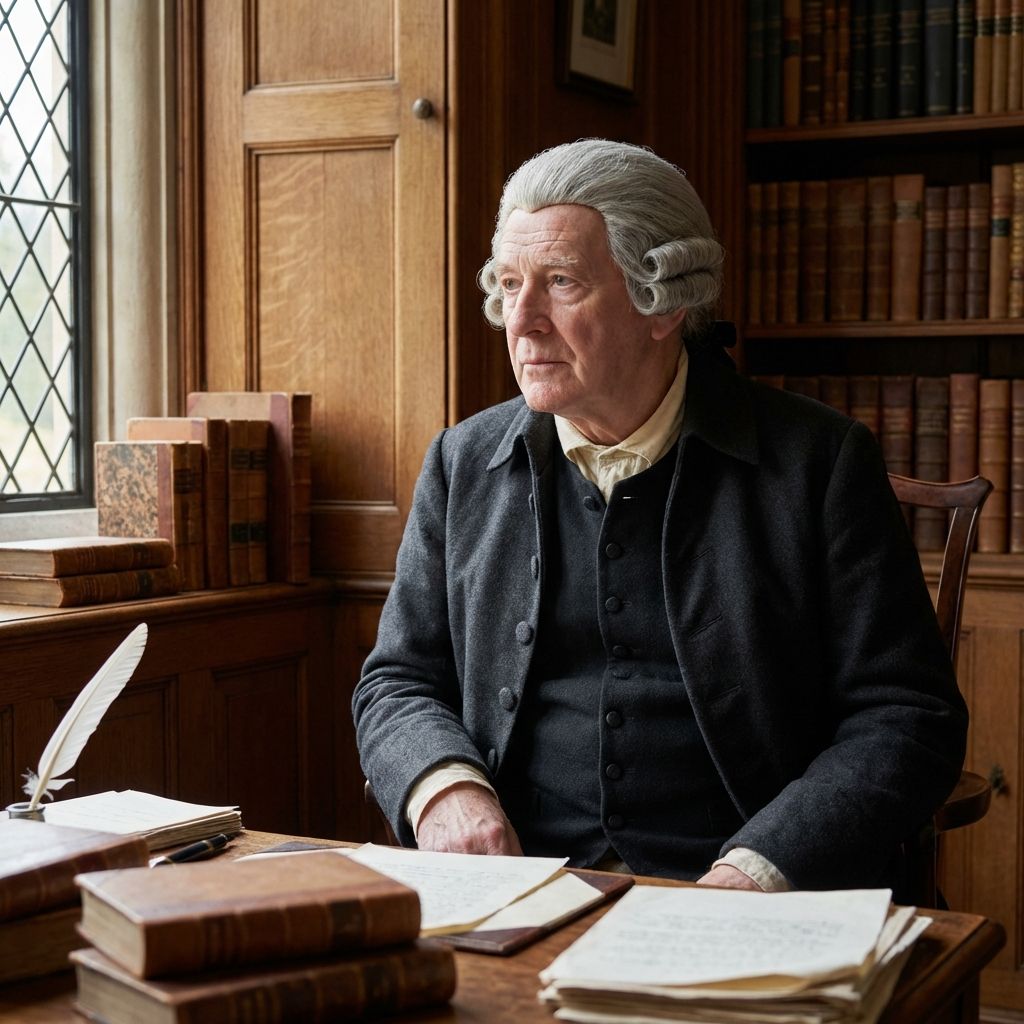
Amos Bronson Alcott (1799–1888), a Transcendentalist educator and essayist, frequently wrote in aphorisms about moral self-culture, conscience, and the soul’s capacity for improvement. In the milieu of New England Transcendentalism—closely associated with Emerson and Thoreau—Alcott emphasized the inward “ideal” as a real spiritual standard by which one measures and reforms one’s life. This maxim fits his lifelong project of education as character formation: the teacher (and the individual) should appeal to the highest conception a person can imagine, because that conception reveals what the person is capable of becoming.
Interpretation
The saying treats ideals not as abstract fantasies but as disclosures of our best potential. An “ideal” is the self seen at its most lucid and ethically elevated—what we would be if we fully lived by conscience, reason, and sympathy. In this view, aspiration is evidence of latent capacity: the fact that we can imagine a nobler self suggests that such nobility is, in some measure, already within us. The line also implies a practical ethic: to cultivate ideals is to cultivate character, because ideals function as an inner compass that judges present conduct and draws the person toward self-improvement.