You know as well as we do that right, as the world goes, is only in question between equals in power, while the strong do what they can and the weak suffer what they must.
About This Quote
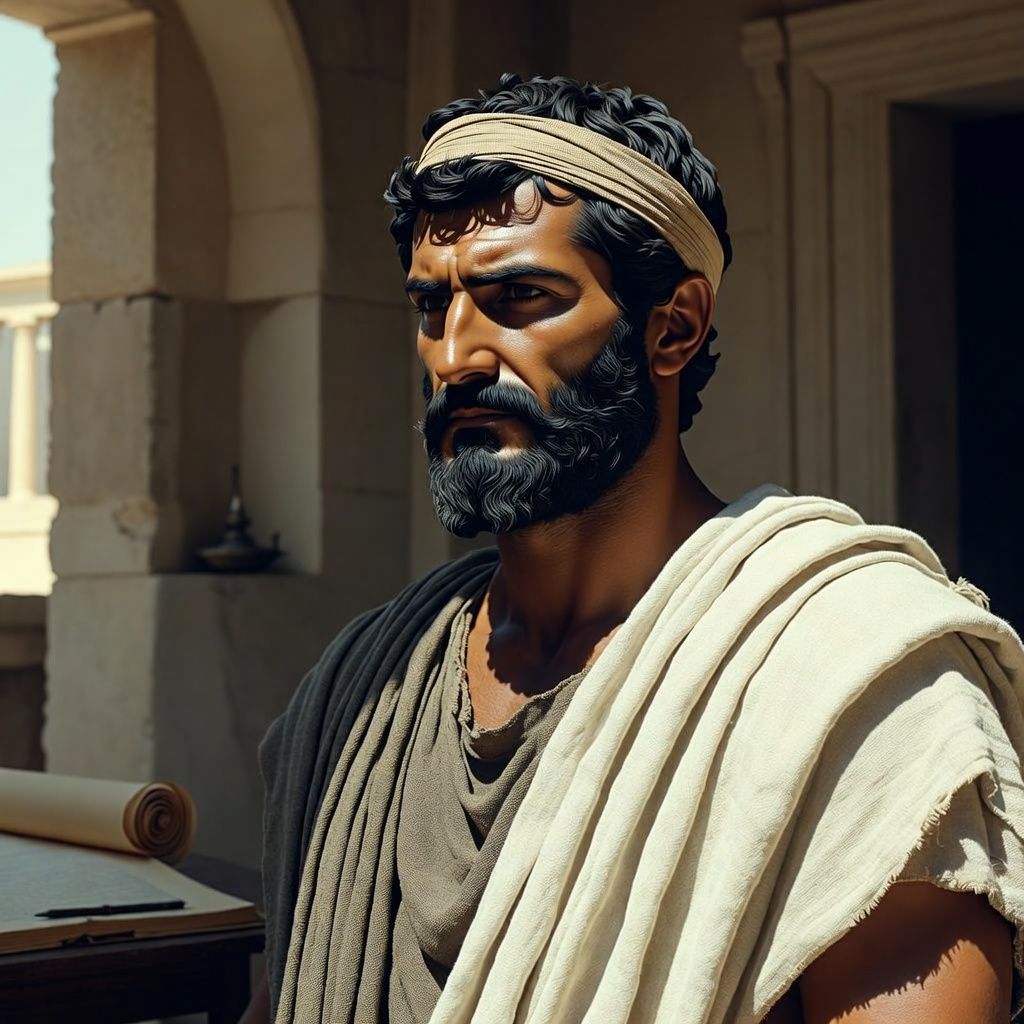
This line comes from Thucydides’ account of the “Melian Dialogue” during the Peloponnesian War (431–404 BCE). In 416/415 BCE Athens, at the height of its imperial power, demanded that the small island polis of Melos submit and pay tribute. Melos appealed to justice, neutrality, and the hope of Spartan aid; the Athenian envoys rejected moral arguments and framed the issue as one of power and necessity. Thucydides presents the exchange as a stark illustration of realpolitik in interstate relations. After negotiations failed, Athens besieged Melos, executed the adult men, and enslaved women and children.
Interpretation
The statement crystallizes a hard-edged view of political morality: appeals to “right” or justice have force only when parties are sufficiently equal that neither can impose its will. Where power is asymmetric, the stronger side acts according to interest and capability, while the weaker endures outcomes it cannot prevent. In Thucydides, this is less a celebration than an analytical exposure of how imperial power can strip away ethical language and reduce diplomacy to coercion. The line has become emblematic of “Thucydidean” realism, often cited in discussions of international relations, empire, and the limits of moral argument under conditions of domination.
Variations
1) “The strong do what they can and the weak suffer what they must.”
2) “Right, as the world goes, is only in question between equals in power.”
3) “The strong do what they have the power to do and the weak accept what they have to accept.”
Source
Thucydides, History of the Peloponnesian War, Book V, “The Melian Dialogue” (Athenian envoys to the Melians), in the account of events of 416/415 BCE.