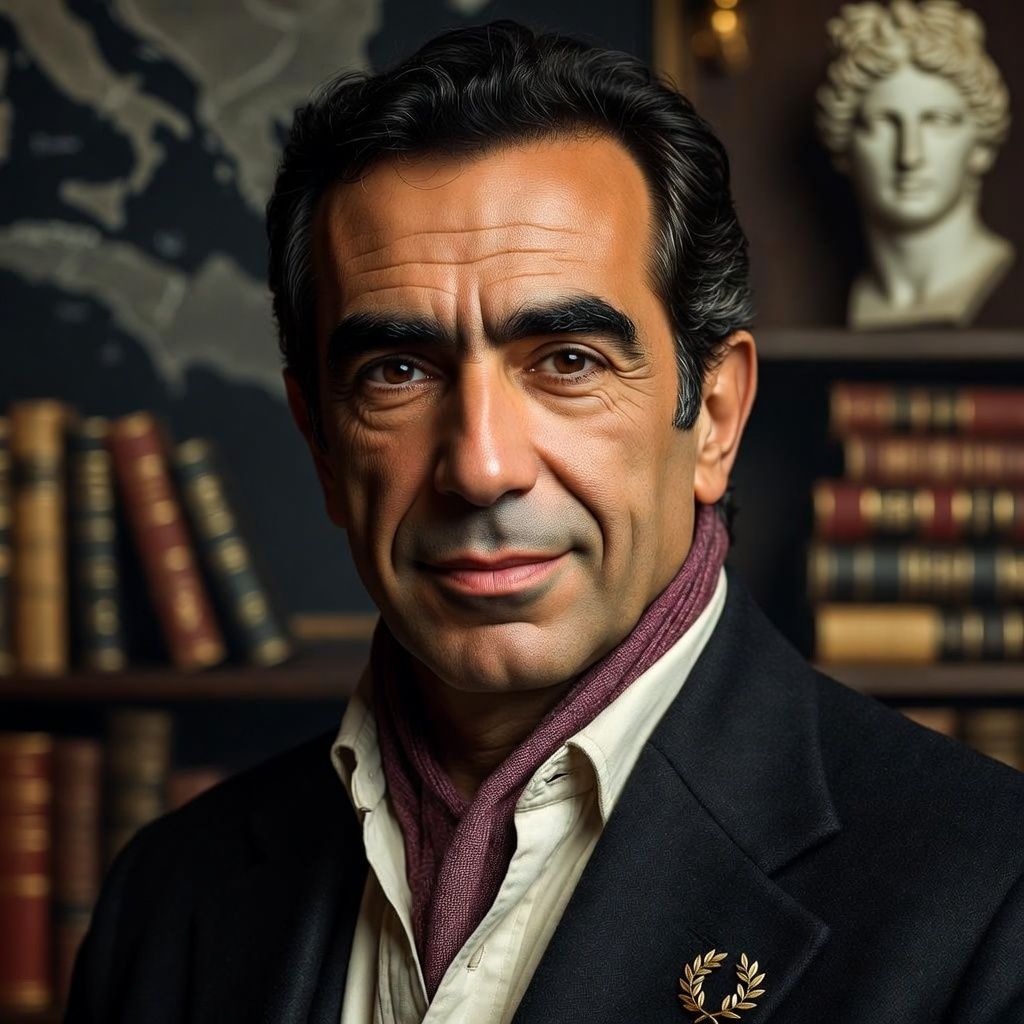
Laws are silent in times of war.
About This Quote

The saying is a well-known maxim attributed to Marcus Tullius Cicero in the late Roman Republic, reflecting the strain that civil conflict and emergency measures placed on republican legality. It is commonly linked to Cicero’s forensic and political rhetoric, where he argued that extraordinary threats can force a state to act outside ordinary legal procedures. In Roman public life, war and internal upheaval (including the use of emergency powers and the suspension of normal civic processes) repeatedly raised the question of how far law could restrain necessity. The phrase later became a touchstone in debates about “state of exception,” martial law, and the tension between security and civil liberties.
Interpretation
“Laws are silent in times of war” suggests that legal norms often lose practical force when survival, violence, or emergency dominates public life. It can be read descriptively—war overwhelms courts, due process, and deliberation—or normatively, as a justification for exceptional actions taken under necessity. The line captures a recurring political dilemma: law depends on stable institutions and shared obedience, yet war disrupts both, tempting leaders to claim that necessity overrides legality. In later reception, the maxim is frequently invoked either to warn against the erosion of rights during crises or to defend extraordinary state powers as unavoidable in wartime.
Variations
1) "Inter arma enim silent leges." 2) "In time of war, the laws are silent." 3) "Amid arms, laws are silent."
Source
Cicero, Pro Milone (Speech in Defense of Titus Annius Milo), §4: "Inter arma enim silent leges."