We learn wisdom from failure much more than from success. We often discover what will do, by finding out what will not do and probably he who never made a mistake never made a discovery.
About This Quote
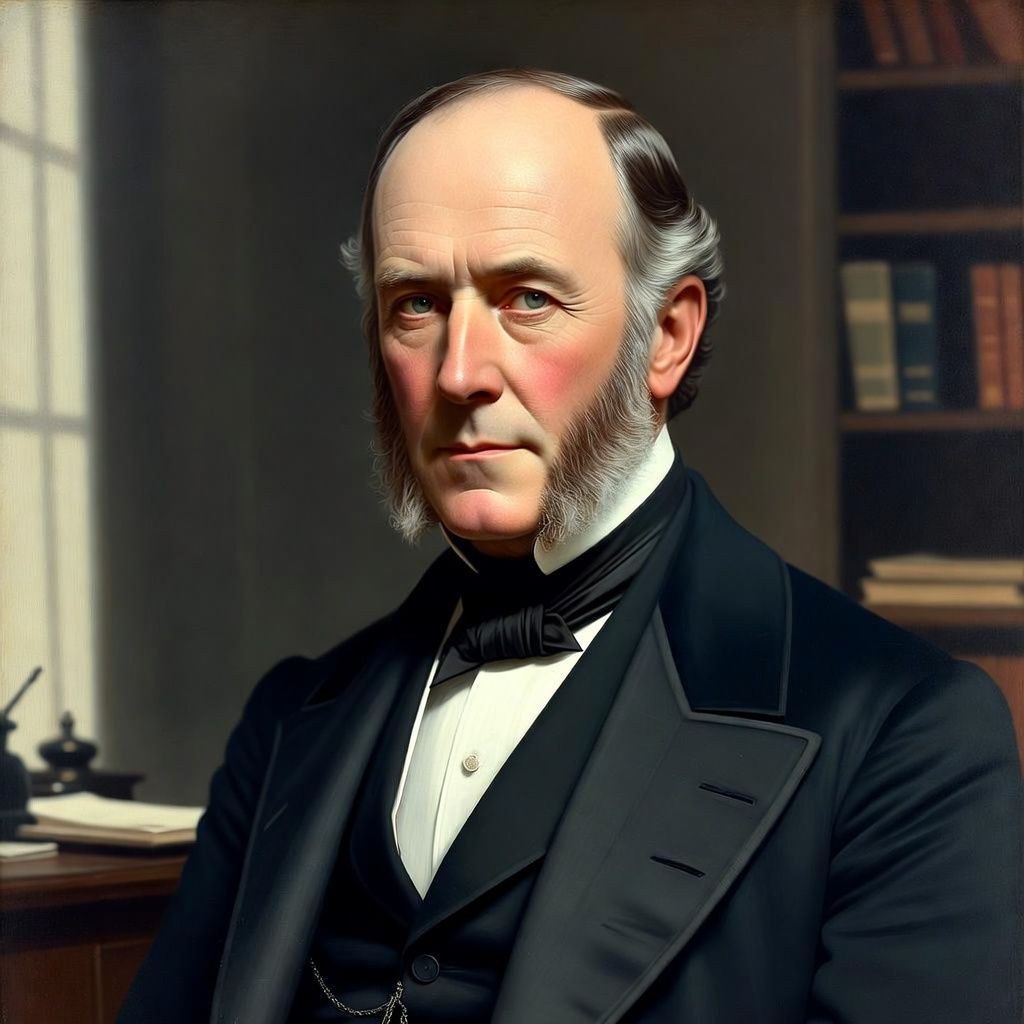
Samuel Smiles (1812–1904), the Scottish author and social reformer best known for promoting Victorian ideals of self-help and character, repeatedly used examples of inventors, engineers, and entrepreneurs to argue that progress is built through trial, error, and perseverance. This quotation reflects that didactic project: it frames failure not as moral defeat but as a practical teacher that reveals limits, refines methods, and ultimately enables discovery. Smiles wrote in an era of rapid industrial and scientific change, when biographies of “men of invention” were popular vehicles for encouraging diligence and resilience among readers seeking advancement in work and life.
Interpretation
The passage asserts that failure is more instructive than success because it exposes the mechanisms of error—what assumptions were wrong, what methods are ineffective, and where limits lie. Success can conceal the causes of achievement, but failure forces analysis and adaptation. Smiles also links mistake-making to discovery: innovation requires experimentation, and experimentation entails risk. The final clause—“he who never made a mistake never made a discovery”—elevates error into a necessary condition of creativity, challenging perfectionism and fear of embarrassment. Overall, the quote advances a pragmatic, progress-oriented ethic: treat setbacks as data, persist, and convert disappointment into knowledge.