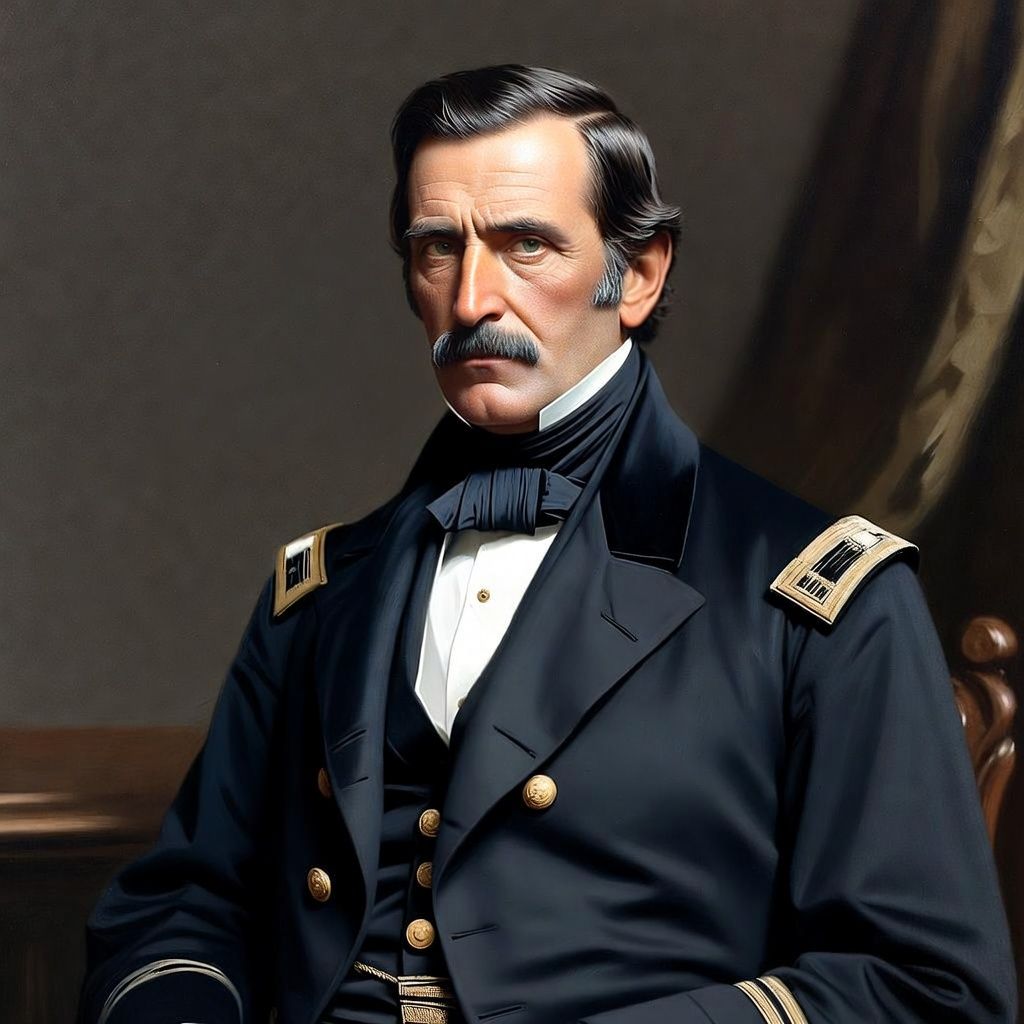
But lest some unlucky event should happen unfavorable to my reputation, I beg it may be remembered by every gentleman in the room that I this day declare with the utmost sincerity, I do not think myself equal to the command I am honored with.
About This Quote

This remark is associated with Washington’s acceptance of command of the Continental Army in 1775, when the Second Continental Congress selected him as commander in chief. Contemporary accounts describe him responding with studied modesty, stressing his sense of inadequacy for so great a charge and asking that his declaration be remembered should events go badly. The phrasing reflects the political and personal stakes of the moment: Congress was committing to open war, and Washington—newly elevated to national leadership—sought to frame his acceptance as reluctant duty rather than ambition, while also managing expectations about the uncertainties of the coming campaign.
Interpretation
Washington frames leadership as duty rather than ambition. By asking that his disclaimer be “remembered,” he anticipates that military command can damage a reputation through circumstances beyond one’s control—defeat, political intrigue, or misfortune. The statement also performs a public ethic: a virtuous leader does not grasp for power but accepts it with humility and accountability. At the same time, the rhetoric is strategic. It reassures listeners that he is not a would-be dictator, while implicitly underscoring the magnitude of the task and the need for support, patience, and unity behind the commander’s decisions.