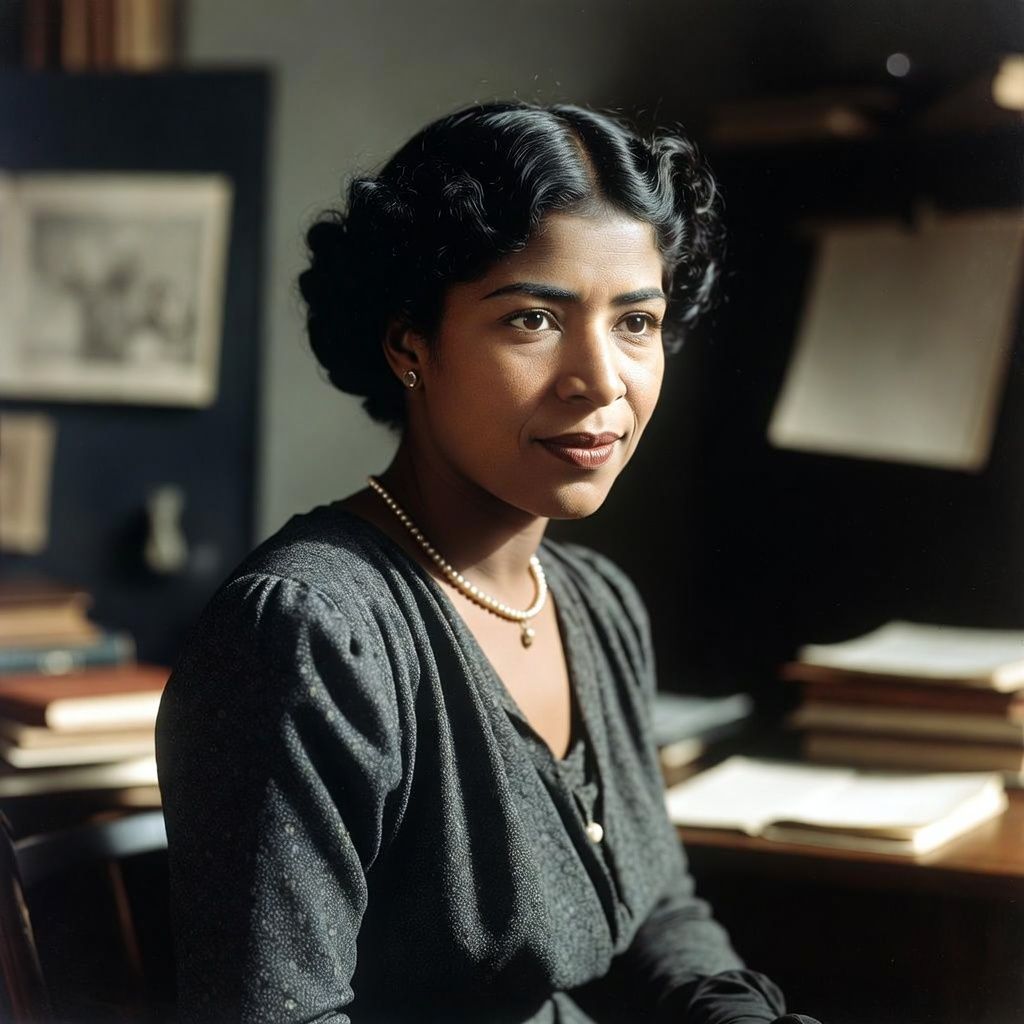
Let us look for the woman.
About This Quote
The phrase is best known in French as “Cherchez la femme” (“Look for the woman”), a line associated with Alexandre Dumas père’s crime novel *Les Mohicans de Paris* (1854–1859). In the story’s world of Parisian intrigue, the maxim is used as a cynical rule of thumb: when a puzzling crime, scandal, or sudden reversal occurs, a woman’s influence—romantic, familial, or social—may be the hidden motive or key. The saying quickly escaped the novel and entered popular usage in France and beyond, often invoked by detectives, journalists, and dramatists as a shorthand explanation for complicated human behavior.
Interpretation
“Let us look for the woman” encapsulates a 19th‑century, melodramatic view of causation in social and criminal plots: behind public events lies private desire. Read charitably, it suggests that personal relationships and emotions can be decisive forces in politics, crime, and reputation. Read critically, it reflects a gendered stereotype—casting women as temptresses, manipulators, or the “real” cause of men’s actions—thereby simplifying complex situations into a single suspect category. Its enduring afterlife shows how neatly it fits detective-story logic, even as modern readers may question its assumptions about agency and blame.
Variations
French original: “Cherchez la femme.”