Man shall not live by bread alone, but by every word that proceeds from the mouth of God.
About This Quote
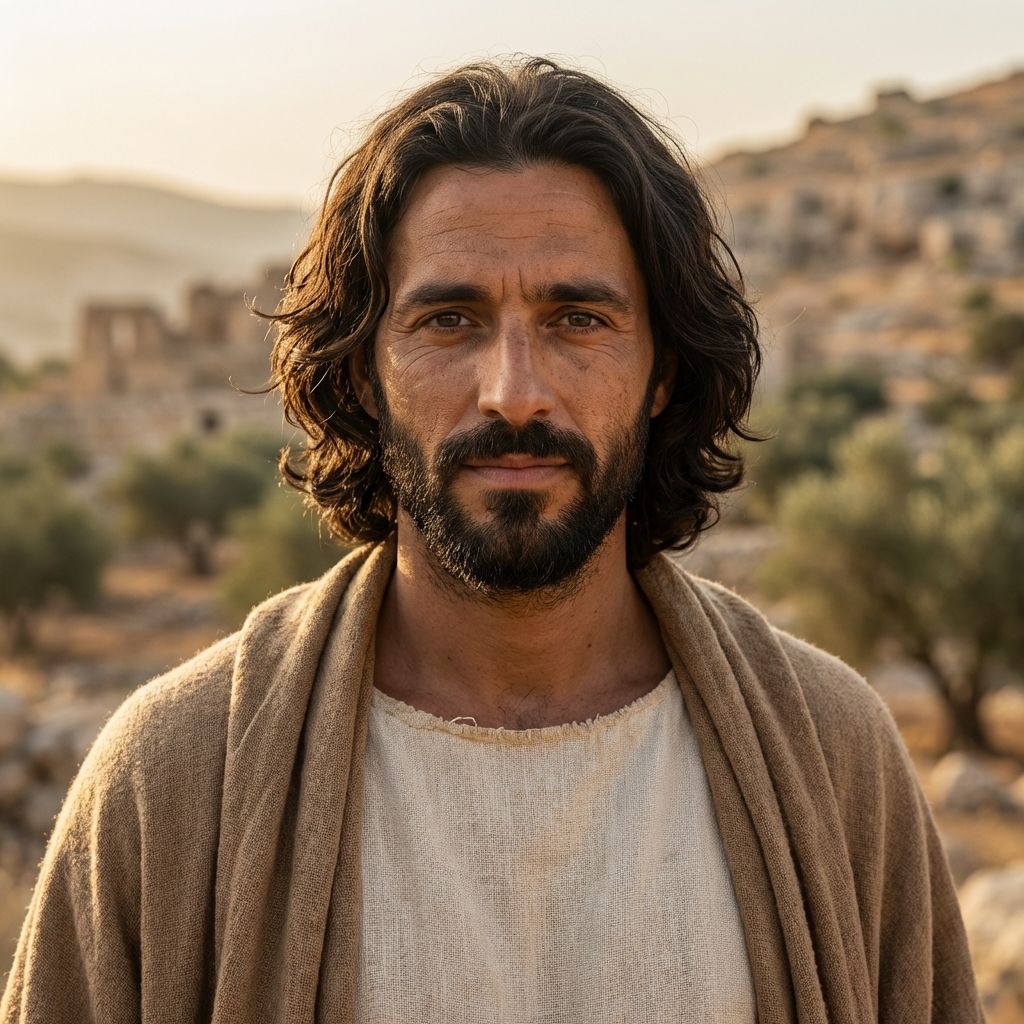
In the Synoptic Gospels, Jesus speaks these words during the temptation in the wilderness, after fasting forty days and nights. The devil urges him to turn stones into bread to satisfy hunger, and Jesus replies by quoting Deuteronomy 8:3, recalling Israel’s wilderness testing and God’s provision of manna. The scene frames Jesus as reliving and fulfilling Israel’s story: where Israel often failed under trial, Jesus remains faithful. The saying thus arises in a moment of physical deprivation and spiritual testing, emphasizing obedience and trust in God over the immediate gratification of bodily need.
Interpretation
The line contrasts mere physical sustenance (“bread”) with the deeper necessity of divine instruction and promise (“every word…of God”). It does not deny the reality of bodily needs but insists that human life is ultimately grounded in relationship to God—listening, trusting, and obeying. In the temptation narrative, it functions as a refusal to use power for self-serving ends and a declaration that survival is not the highest good. More broadly, it has been read as a principle of spiritual nourishment: Scripture and God’s ongoing speech sustain moral and spiritual life as truly as food sustains the body.
Extended Quotation
But he answered and said, It is written, Man shall not live by bread alone, but by every word that proceedeth out of the mouth of God.
Variations
1) “Man shall not live by bread alone.”
2) “Man shall not live by bread alone, but by every word of God.”
3) “One does not live by bread alone, but by every word that comes from the mouth of the LORD.”
Source
Gospel of Matthew 4:4 (Jesus’ reply to the tempter; quoting Deuteronomy 8:3). Parallel: Gospel of Luke 4:4.