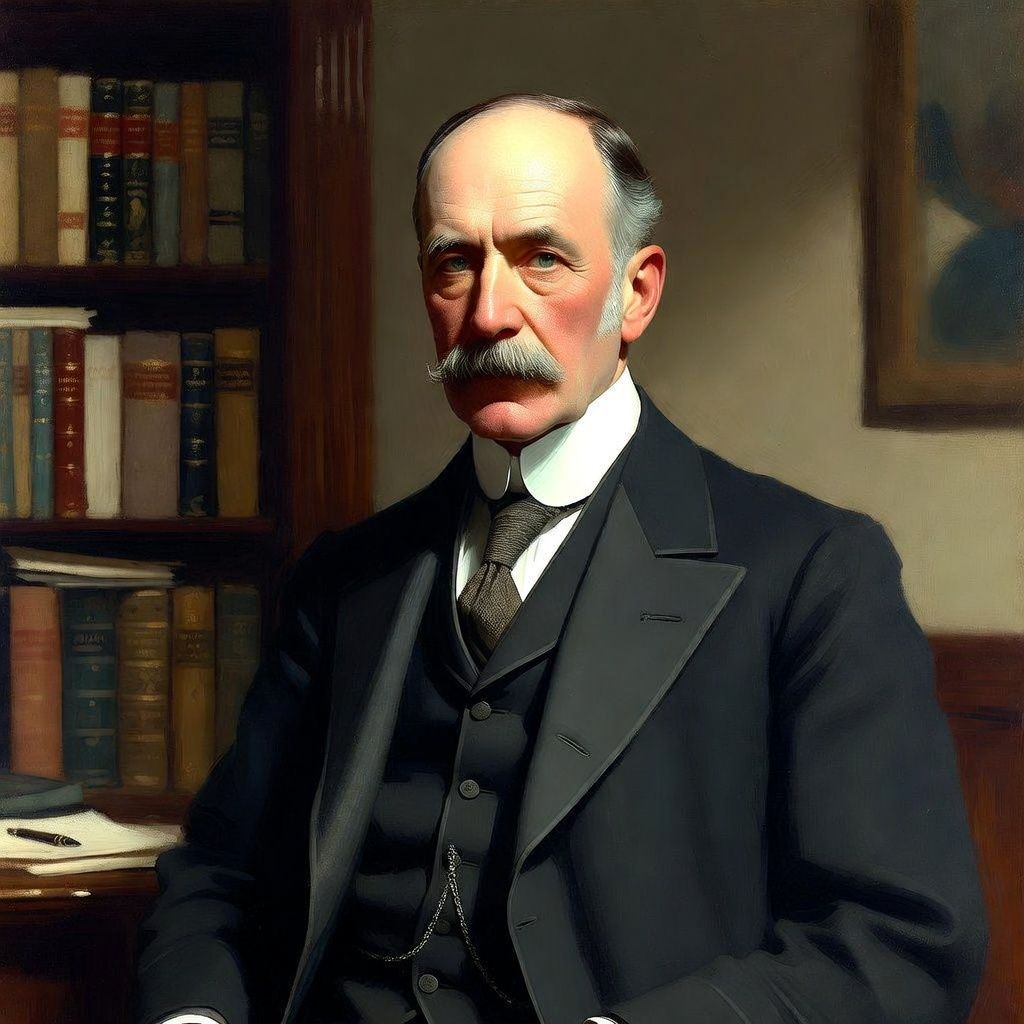
All mankind... being all equal and independent, no one ought to harm another in his life, health, liberty or possessions.
About This Quote

John Locke formulates this principle in his political philosophy of natural rights, developed in the aftermath of England’s seventeenth-century constitutional crises and the Glorious Revolution (1688–89). In the Second Treatise of Government (published 1689), Locke argues against absolute monarchy and grounds legitimate government in the consent of free and equal individuals. The line appears in his account of the “state of nature,” where people are naturally equal and governed by reason (the “law of nature”). From this starting point, Locke derives limits on coercion and a moral prohibition on violating others’ basic interests—ideas that became foundational for later liberal constitutionalism and rights discourse.
Interpretation
The quotation condenses Locke’s core claim that human beings possess inherent moral standing prior to government. Because all persons are “equal and independent,” no one has a natural entitlement to dominate another; the default rule is non-injury. The protected interests—life, health, liberty, and possessions—anticipate Locke’s broader triad of “life, liberty, and property,” and they function as constraints on both private violence and political power. Government, on Locke’s view, is justified chiefly as an instrument to secure these rights more reliably than individuals can in the state of nature; when it instead harms or arbitrarily dispossesses, it violates its purpose and may forfeit legitimacy.
Source
John Locke, Two Treatises of Government, Second Treatise, Chapter II (“Of the State of Nature”), §6 (first published 1689).