Marriage, n: The state or condition of a community consisting of a master, a mistress, and two slaves, making in all, two.
About This Quote

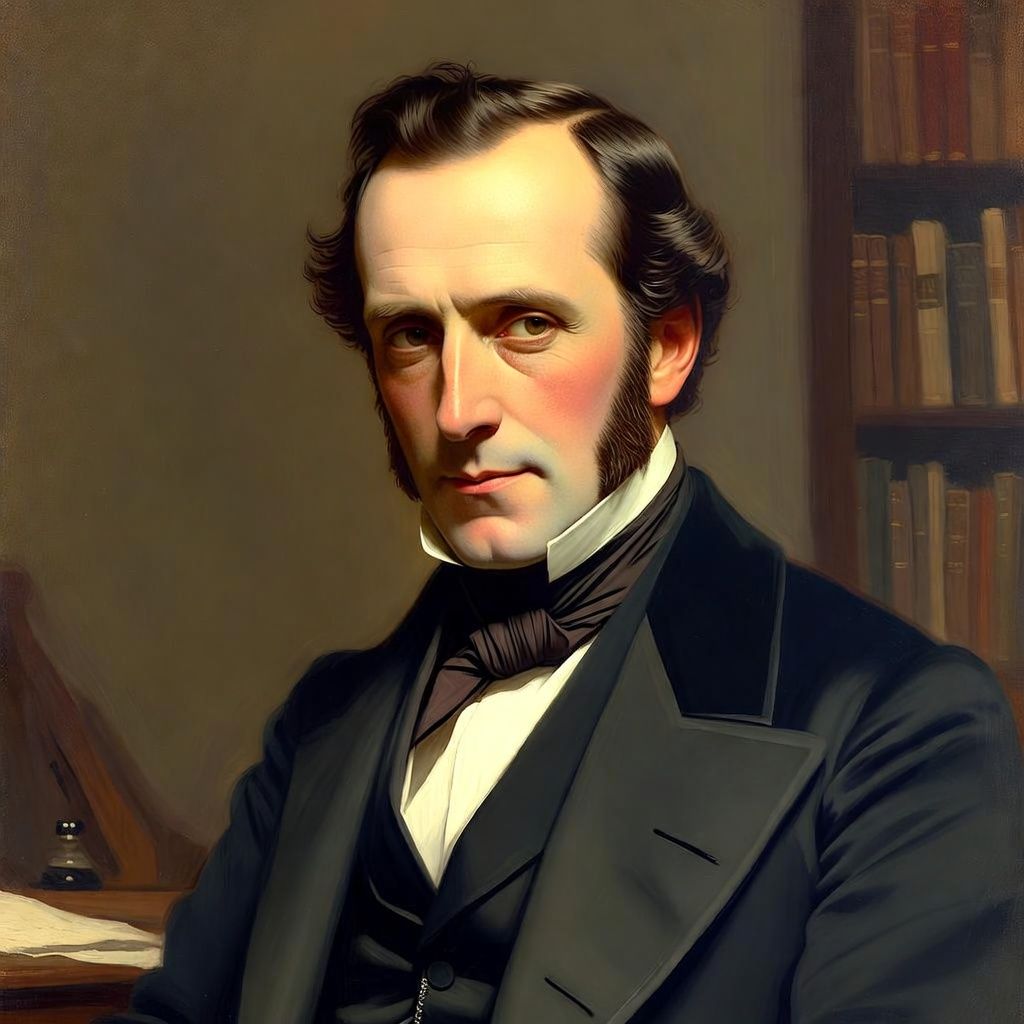
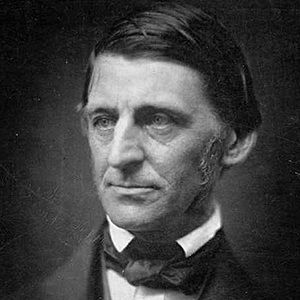
This definition comes from Ambrose Bierce’s satirical lexicon, first published in newspaper installments as The Cynic’s Word Book in the early 1900s and later expanded into The Devil’s Dictionary. Bierce (1842–c.1914), a journalist and veteran of the American Civil War, became famous for his mordant wit and skepticism about social institutions. In the late Victorian/Progressive Era, “respectable” public discourse often idealized marriage as a moral cornerstone; Bierce’s project was to puncture such pieties by redefining common words with paradox and cynicism. The entry “Marriage” exemplifies his method: a compressed, epigrammatic jab at domestic power relations and mutual dependency.
Interpretation
Bierce frames marriage not as romantic union but as a miniature hierarchy: “master” and “mistress” suggest authority and ownership, while “two slaves” implies that each spouse is simultaneously ruler and bound servant. The punchline—“making in all, two”—collapses the apparent four roles into the two people involved, implying that the same individuals alternate between dominance and submission. The joke also hints at the performative nature of marital roles: social titles conceal reciprocal obligations, resentments, and compromises. As with much of Bierce, the satire is less a literal sociology of marriage than a critique of sentimental rhetoric and the way institutions can entangle individuals in contradictory expectations.
Source
Ambrose Bierce, The Devil’s Dictionary (New York: Neale Publishing Company, 1911), entry “Marriage.”