Medicine is a science of uncertainty and an art of probability.
About This Quote
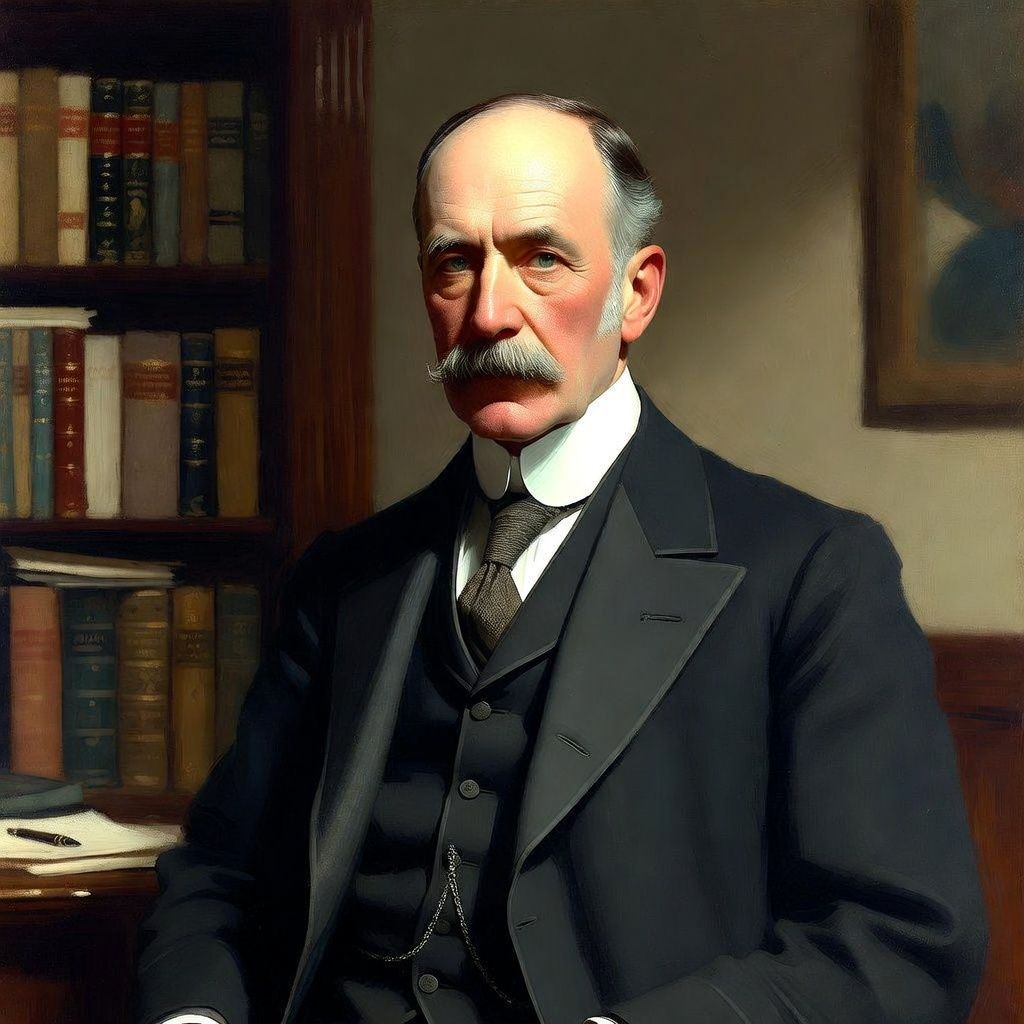
William Osler (1849–1919), the influential Canadian physician and medical educator, repeatedly emphasized at the bedside and in his writings that clinical practice must balance scientific knowledge with judgment under uncertainty. The line is commonly attributed to him in the context of his reflections on diagnosis and therapeutics at the turn of the twentieth century, when laboratory medicine was rapidly advancing but many treatments remained limited and outcomes unpredictable. Osler’s teaching stressed careful observation, humility about what medicine can know with certainty, and probabilistic reasoning drawn from experience—an outlook that helped shape modern clinical method and medical professionalism.
Interpretation
The aphorism captures a tension at the heart of clinical work: medicine aspires to be a science grounded in evidence, yet real patients rarely fit perfectly into textbook categories, and data are often incomplete or ambiguous. “Uncertainty” points to the limits of knowledge—variable presentations, imperfect tests, and evolving understanding—while “art” signals the clinician’s craft: weighing likelihoods, communicating risk, and choosing actions despite incomplete certainty. “Probability” underscores that diagnosis and treatment are often best framed as judgments about what is most likely to help or harm, rather than as deductions that yield absolute answers. The quote is thus a call for both rigor and humility.
Variations
1) “Medicine is the science of uncertainty and the art of probability.”
2) “Medicine is a science of uncertainty and an art of probabilities.”