Some men change their party for the sake of their principles; others their principles for the sake of their party.
About This Quote
Interpretation
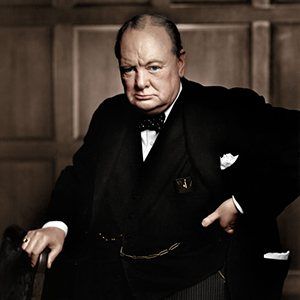
The aphorism contrasts two kinds of political “change.” In one, a person’s principles are primary: if a party no longer represents them, the person changes allegiance while keeping convictions intact. In the other, party loyalty is primary: the person adjusts beliefs to match the party line, treating principles as flexible or instrumental. Attributed to Churchill—himself famous for changing parties (Conservative → Liberal → Conservative)—the remark is often read as a sardonic defense of principled realignment and a critique of opportunism and tribalism in politics. Its enduring appeal lies in how neatly it frames the tension between conscience and faction.
Variations
1) “Some men change their party for the sake of their principles; others change their principles for the sake of their party.”
2) “Some change their party for their principles; others change their principles for their party.”