Men go abroad to wonder at the heights of mountains, at the huge waves of the sea, at the long courses of the rivers, at the vast compass of the ocean, at the circular motions of the stars, and they pass by themselves without wondering.
About This Quote
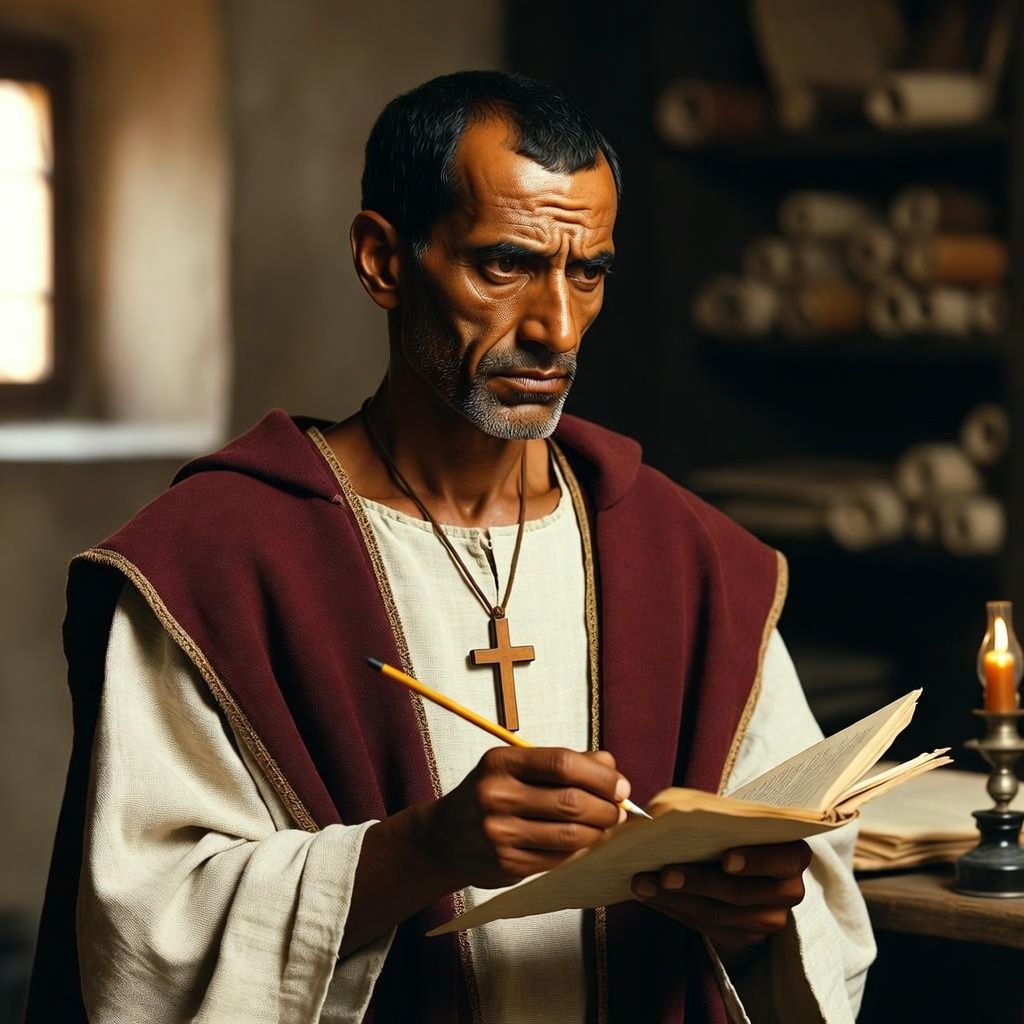
This line is attributed to Augustine of Hippo (354–430) and is commonly cited from his autobiographical and theological work the Confessions, composed in the late 4th century after his conversion to Christianity and baptism (387). In the Confessions Augustine repeatedly contrasts outward curiosity—fascination with the created world and with learning pursued for its own sake—with the inward turn of self-examination before God. The remark fits his broader project of narrating how he moved from external ambitions and intellectual restlessness toward an interior life of memory, conscience, and prayer, where he believes the deepest “wonder” is the human soul’s relation to its Creator.
Interpretation
Augustine observes a paradox: people travel to marvel at nature’s grandeur—mountains, seas, rivers, the stars—yet fail to be astonished by the mystery of their own inner life. The point is not to belittle the natural world but to criticize a purely outward gaze that neglects self-knowledge. For Augustine, the self is a profound “landscape” of memory, desire, and moral struggle, and it is within this interiority that one encounters God most intimately. The sentence thus urges an inward turn: wonder should include reflection on consciousness, character, and the spiritual condition of the observer, not only the spectacle observed.