Men make the city, and not walls or ships without men in them.
About This Quote
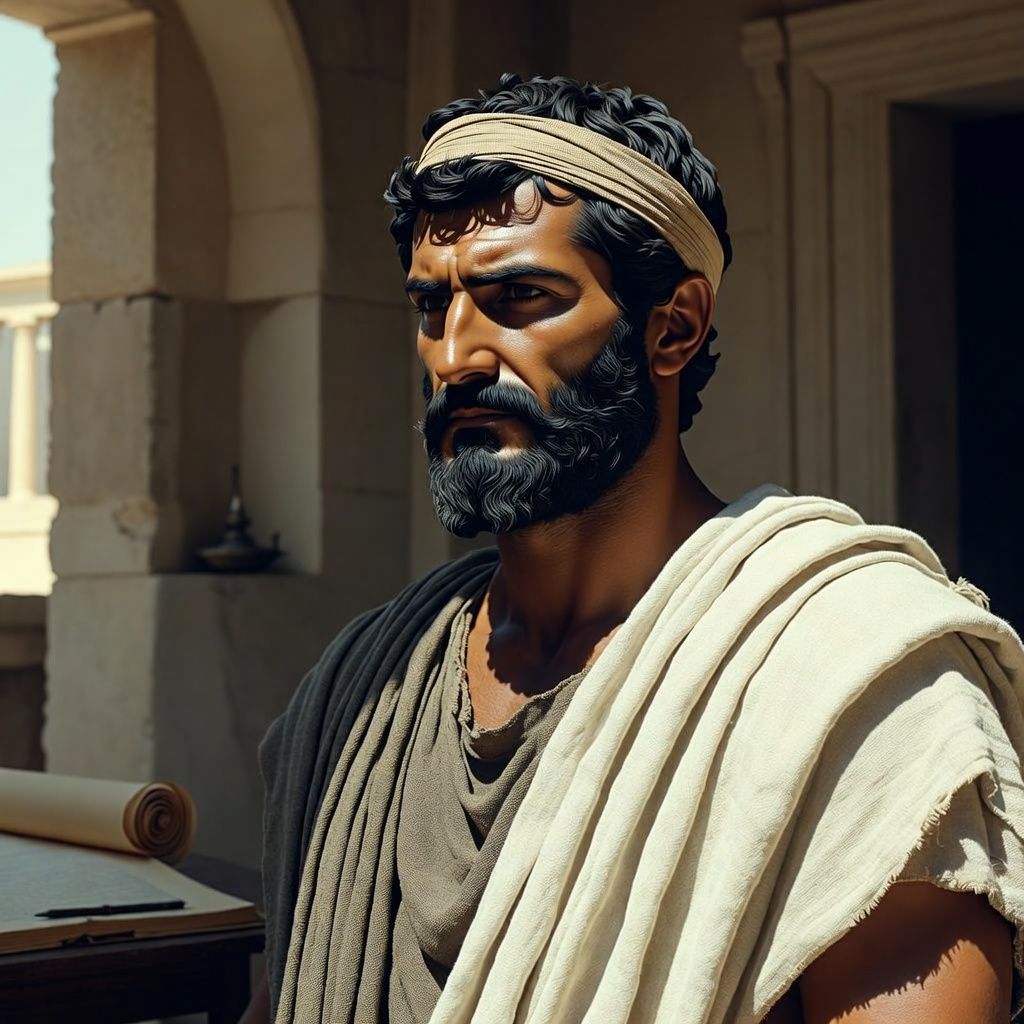
The line is attributed to Thucydides’ account of the Peloponnesian War, in a passage emphasizing that a polis’ real strength lies in its people rather than in fortifications or matériel. In Thucydides’ narrative, such sentiments arise in moments when leaders must persuade citizens to endure hardship, abandon property, or rethink what “the city” truly is amid invasion and displacement. The remark reflects the wartime reality that walls and fleets are useless if the citizen body is destroyed, demoralized, or absent—an idea Thucydides repeatedly explores as Athens’ power depends on manpower, civic cohesion, and the willingness to act collectively.
Interpretation
The quotation asserts that a city’s essence is human rather than material. Walls, ships, and other instruments of power are inert without the people who build, maintain, and animate them; civic identity and security ultimately depend on citizens’ agency, cohesion, and willingness to act together. In Thucydides’ broader vision, this is also a realist lesson about power: resources matter, but political communities rise or fall based on leadership, morale, and the capacity to mobilize human talent. The line has therefore been read both as a civic-humanist maxim (the people are the city) and as a strategic principle (manpower and organization outweigh mere fortification).