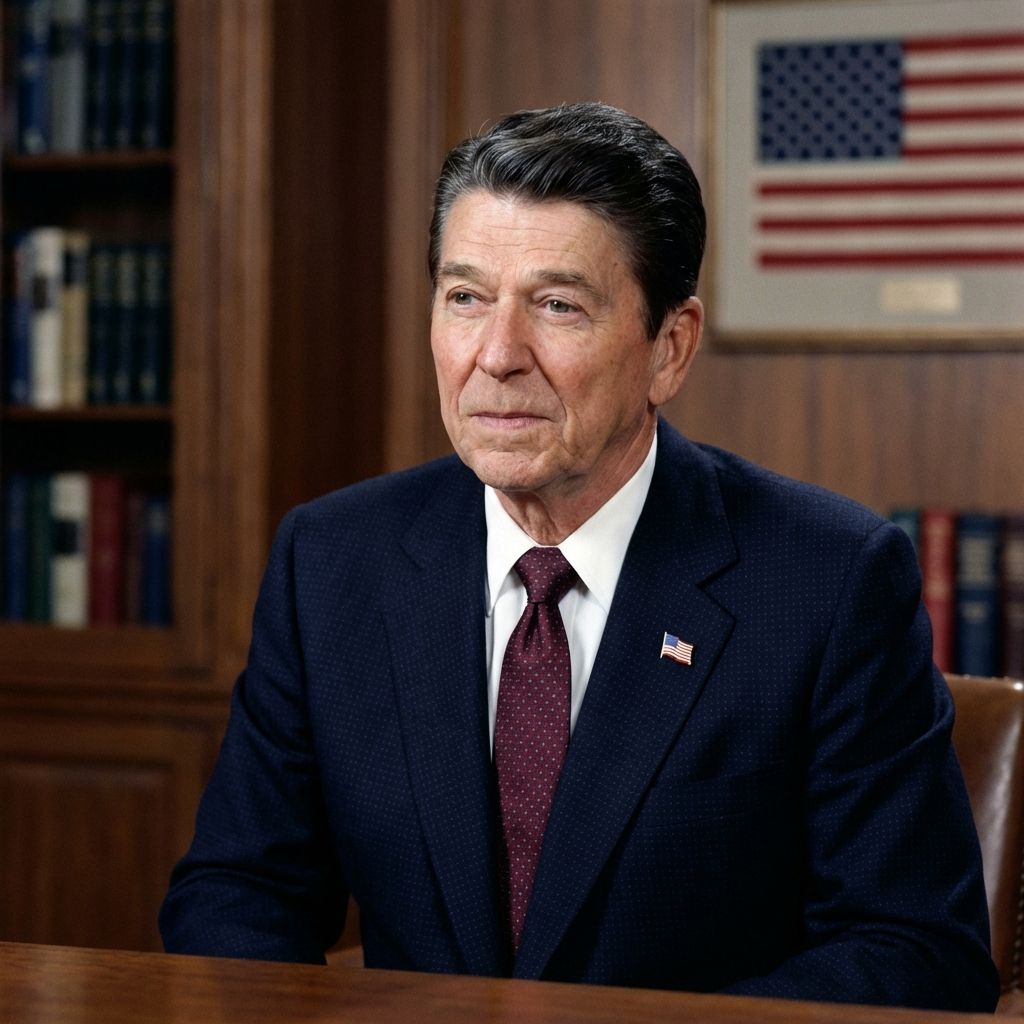
We must not confuse dissent with disloyalty.
About This Quote

Murrow’s line is associated with the climate of suspicion and political intimidation in the United States during the early Cold War, when accusations of “un-American” activity—often linked to Senator Joseph McCarthy’s investigations—made public disagreement risky. As a leading broadcast journalist, Murrow repeatedly argued that democratic society depends on the freedom to criticize government without being branded a traitor. The remark is commonly cited as part of his broader defense of civil liberties and open debate in the face of loyalty tests, blacklists, and the conflation of criticism with subversion that characterized much public discourse in the early 1950s.
Interpretation
Murrow draws a sharp democratic distinction between dissent—reasoned disagreement, criticism, or protest—and disloyalty, which implies betrayal of the country’s fundamental interests. The statement insists that a healthy polity depends on the freedom to challenge prevailing views without being branded an enemy. It also critiques a rhetorical tactic: delegitimizing opponents by questioning their patriotism rather than engaging their arguments. In Murrow’s hands, the line becomes a warning about fear-driven politics and a defense of pluralism, suggesting that loyalty to democratic ideals may require protecting the right to dissent, especially in times of national anxiety.