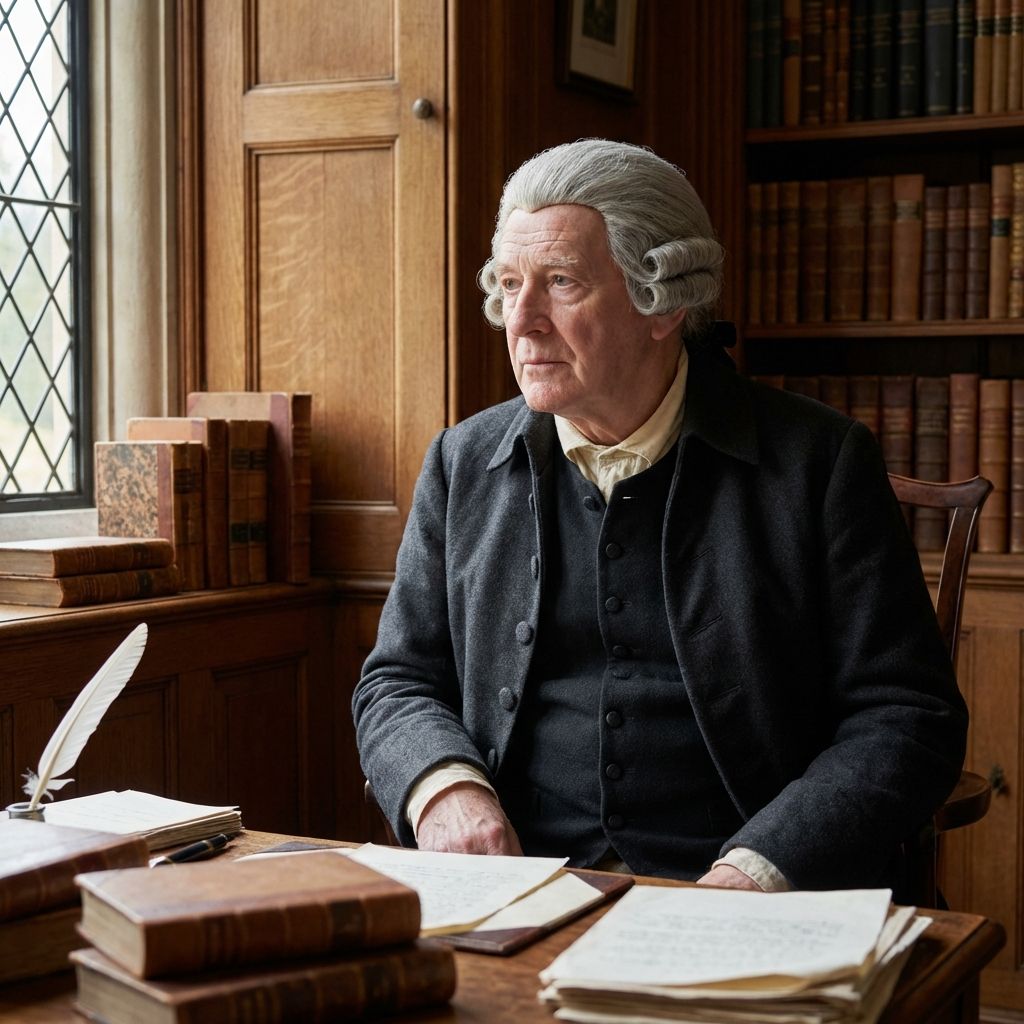
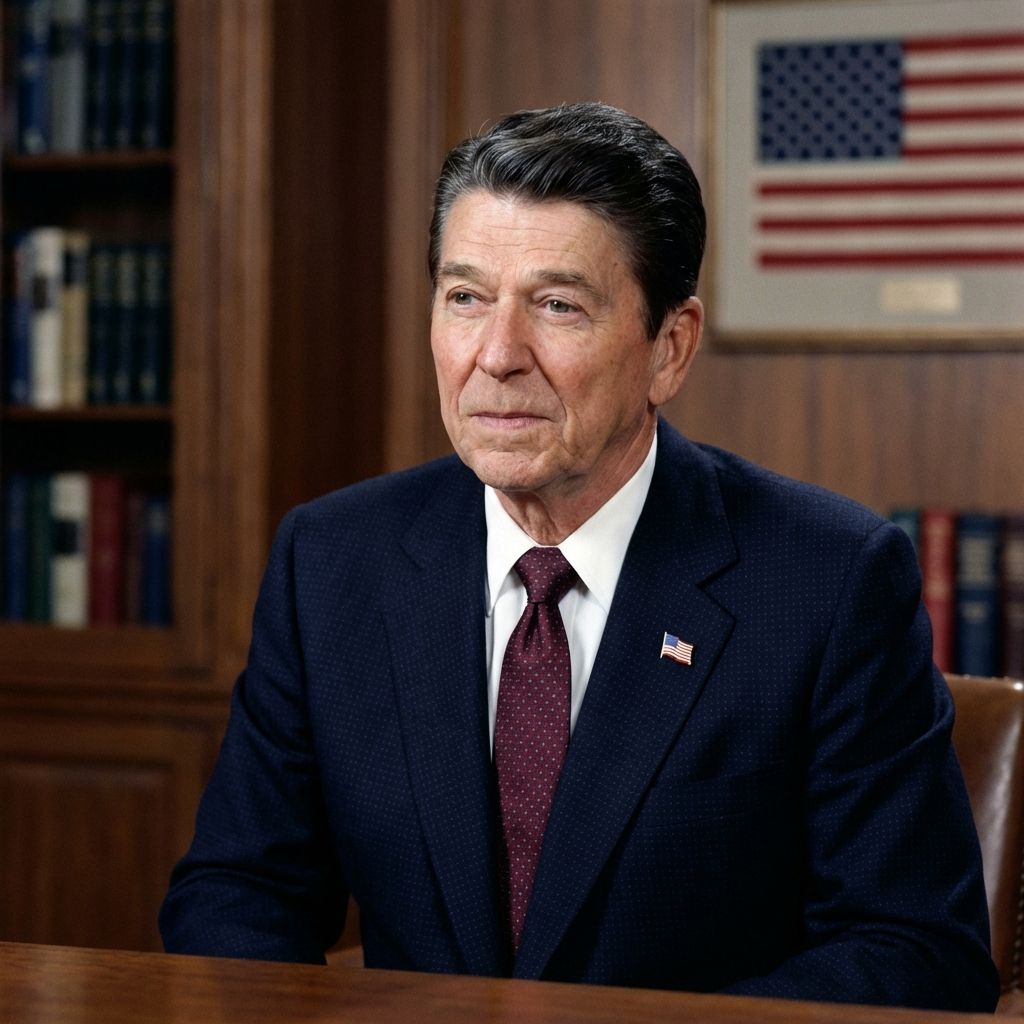
There are no necessary evils in government. Its evils exist only in its abuses. If it would confine itself to equal protection, and, as Heaven does its rains, shower its favors alike on the high and the low, the rich and the poor, it would be an unqualified blessing.
About This Quote

This passage is associated with Andrew Jackson’s first annual message to Congress, delivered early in his presidency amid intense debate over the proper scope of federal power and the distribution of public benefits. Jackson cast himself as a tribune of the “common man,” suspicious of entrenched privilege and governmental favoritism. In this setting, he argued that government is not inherently harmful; rather, harm arises when officials use public authority to grant special advantages or depart from impartial administration. The image of rain falling equally evokes a providential model of evenhandedness, reinforcing his claim that the federal government should focus on equal protection and avoid selective patronage or class-based preference.
Interpretation
The quotation advances a classic limited-government ideal: government is not inherently harmful, but becomes so when it exceeds its proper bounds or is captured by private interests. The standard it proposes is “equal protection” and impartiality—government should distribute benefits and enforce laws without favoritism toward class or wealth, “shower[ing] its favors alike” as rain falls on all. Read in the Jacksonian idiom, it resonates with populist suspicion of entrenched privilege and patronage, and with the claim that legitimate authority rests on fairness rather than special advantage. The image of rain underscores a moral, almost providential benchmark for neutrality and universality in public administration.