Quote #8557
We often discover what will do, by finding out what will not do; and probably he who never made a mistake never made a discovery.
Samuel Smiles
About This Quote
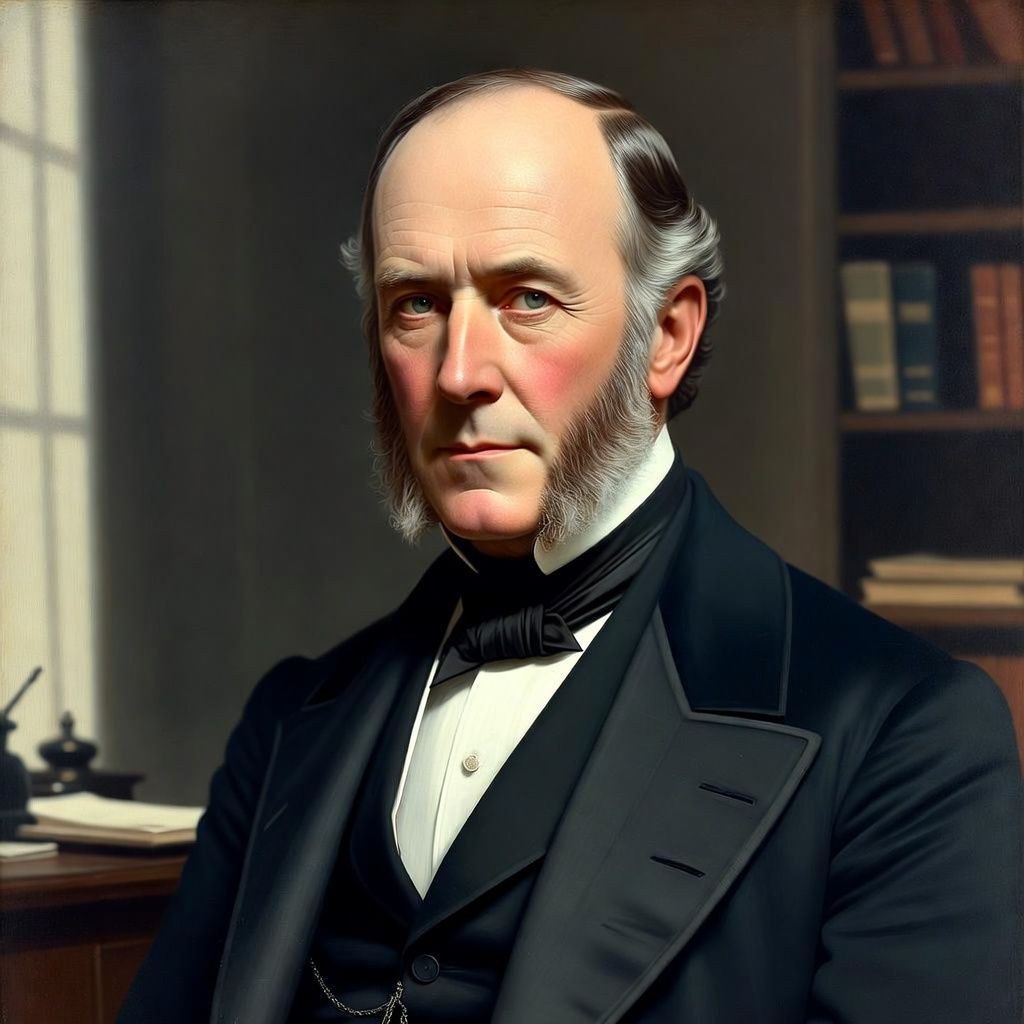
This quote needs no introduction—at least for now. We're working on adding more context soon.
Interpretation
Smiles frames error as an indispensable instrument of progress. The first clause treats failure as negative knowledge: by eliminating what “will not do,” we narrow the field toward workable solutions. The second clause generalizes this into a maxim about discovery: genuine innovation requires risk, trial, and the willingness to be wrong. In Smiles’s characteristic self-help moralism, mistakes are not merely tolerable but productive, provided they are met with reflection and perseverance. The aphorism also implicitly criticizes excessive caution and perfectionism, suggesting that a spotless record may indicate not excellence but a lack of experimentation.