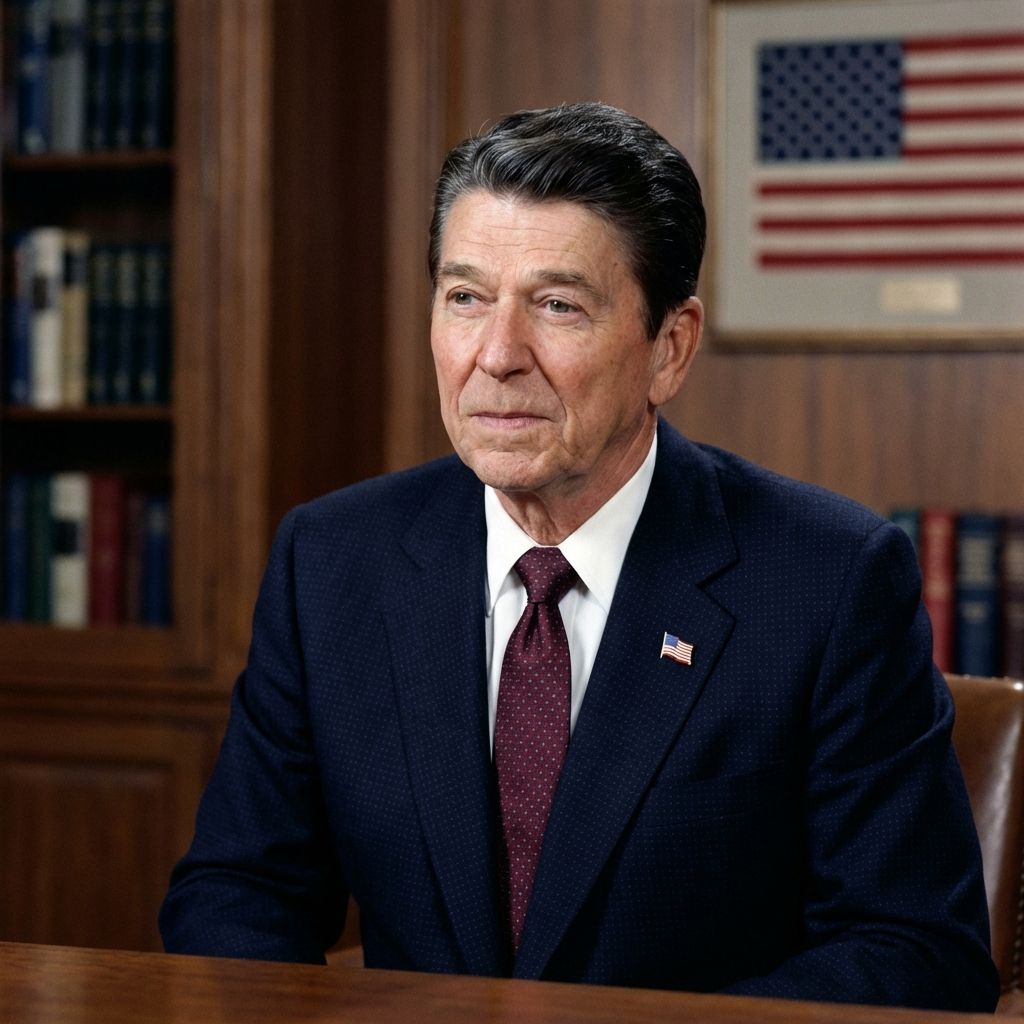
The people of the Middle East share the desire for freedom. We have an opportunity - and an obligation - to help them turn this desire into reality.
About This Quote

Interpretation
The quotation frames Middle Eastern political aspirations in universalist terms—“desire for freedom”—and then converts that claim into a moral and strategic mandate for U.S. action (“opportunity” and “obligation”). It reflects a foreign-policy rhetoric that links American power to democratization, implying that external assistance can legitimately help translate popular longing into institutional change. The phrasing also functions persuasively: it asserts common ground with Middle Eastern publics while justifying interventionist or activist policies as benevolent support rather than coercion. The tension embedded in the line is between self-determination (freedom as locally desired) and the legitimacy, limits, and consequences of outside actors attempting to realize that desire.