
We, the people, do have the power to stop [the] tragic waste of resources if we regard it as socially unacceptable to waste food.
About This Quote
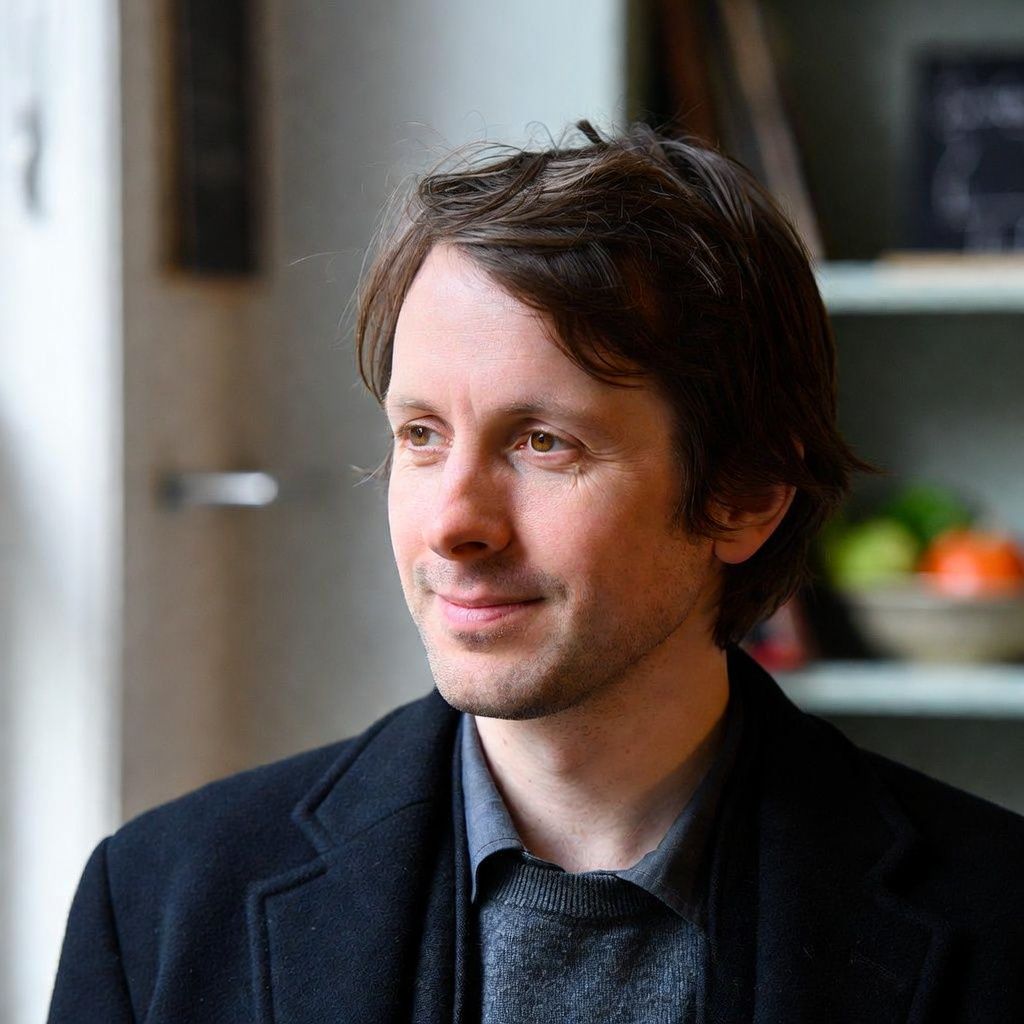
Tristram Stuart is best known for his advocacy against food waste, especially through his book-length investigation of the global food system and the founding of the “Feeding the 5000” campaign. This quotation reflects the civic, culture-shaping emphasis that runs through his public talks and writing: he argues that food waste is not merely a technical supply-chain problem but a social norm that can be changed by public pressure, consumer expectations, and institutional standards. The phrasing “We, the people” signals a deliberately democratic appeal—placing responsibility and agency not only on governments and corporations but also on collective public attitudes that define what is acceptable behavior.
Interpretation
Stuart frames food waste not primarily as a technical or logistical problem but as a cultural and moral one. By invoking “We, the people,” he emphasizes collective agency: consumers, voters, and communities can change norms and thereby change systems. The key mechanism is social stigma—treating waste as “socially unacceptable” in the way many societies have come to stigmatize littering or drunk driving. The phrase “tragic waste of resources” broadens the issue beyond uneaten food to the squandered land, water, energy, labor, and emissions embedded in it. The quote argues that large-scale reduction becomes possible when everyday behavior is guided by shared expectations, not just individual virtue.


