Practical wisdom is only to be learned in the school of experience. Precepts and instruction are useful so far as they go, but, without the discipline of real life, they remain of the nature of theory only.
About This Quote
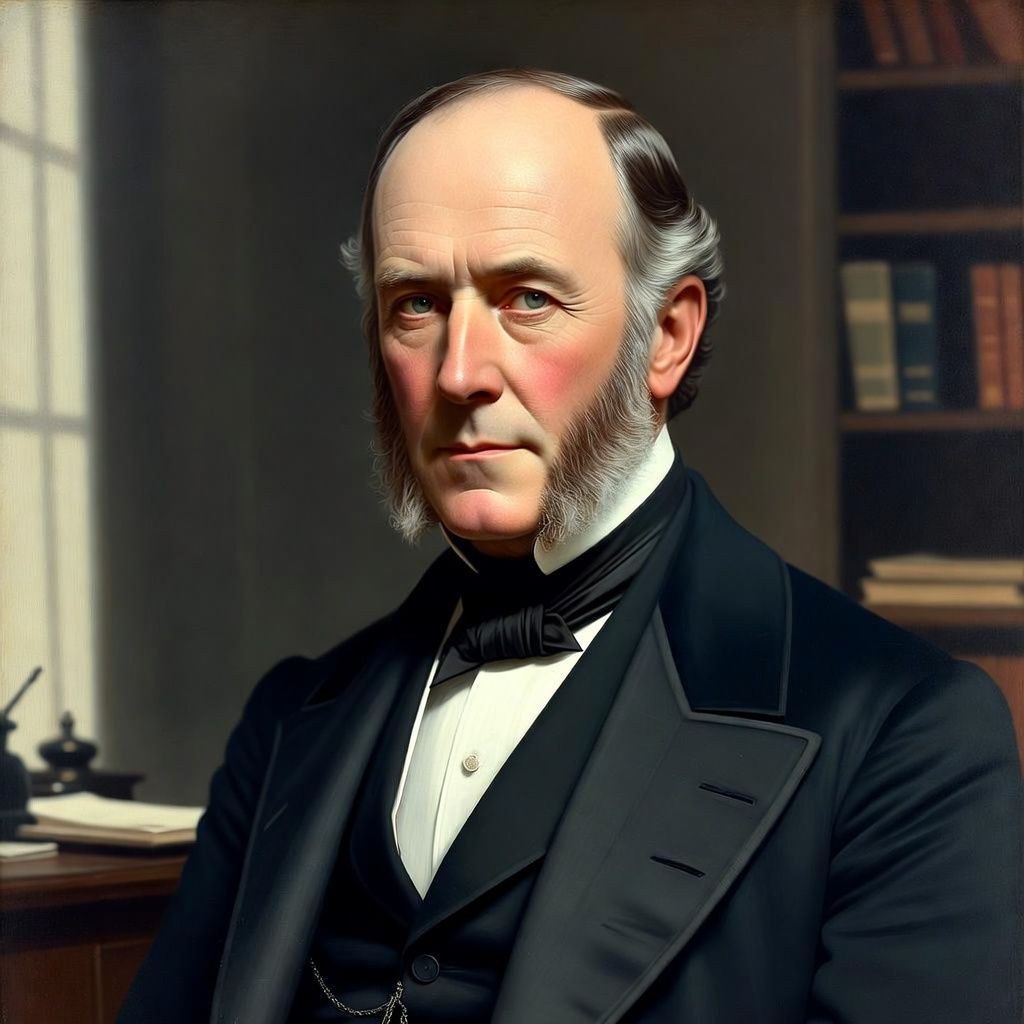
Samuel Smiles (1812–1904), the Scottish author best known for popularizing Victorian self-help ideals, repeatedly argued that character and competence are formed through work, struggle, and habit rather than through abstract instruction alone. The sentiment in this quotation fits the didactic tone of his mid‑nineteenth‑century writings, which were aimed at a broad reading public—clerks, apprentices, and aspiring professionals—seeking moral and practical guidance in an industrializing Britain. Smiles often contrasted book learning and moral “precepts” with the hardening, clarifying effects of lived experience, presenting real life as the arena in which judgment is tested and converted into usable wisdom.
Interpretation
The quotation distinguishes between knowing rules and possessing judgment. “Precepts and instruction” can supply principles, but they remain inert until a person confronts concrete situations—risk, failure, responsibility, and consequence—where choices must be made under pressure and uncertainty. Smiles implies that practical wisdom is not merely information but a cultivated faculty: the ability to weigh circumstances, foresee outcomes, and act effectively. The line also carries a moral undertone typical of Smiles: experience disciplines the self, turning theory into character and capability. In modern terms, it anticipates the difference between classroom learning and experiential learning, insisting that competence is proven—and formed—through practice.