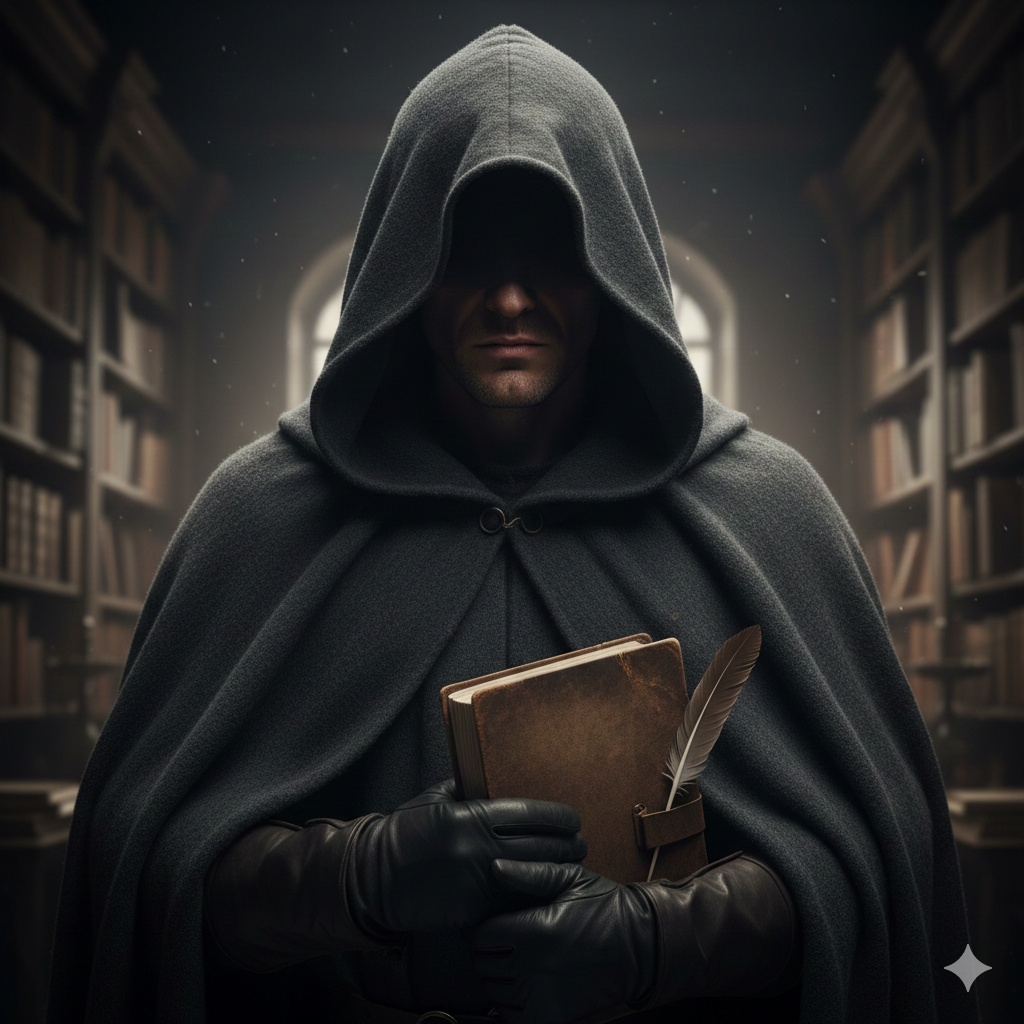
I pray the gods some respite from the weary task of this long year’s watch that lying on the Atreidae’s roof on bended arm, doglike, I have kept, marking the conclave of all the night’s stars, those potentates blazing in the heavens that bring winter and summer to mortal men, the constellations, when they wane, when they rise.
About This Quote

These lines open Aeschylus’ tragedy *Agamemnon* (the first play of the *Oresteia* trilogy), spoken by the Watchman stationed on the roof of the house of Atreus at Argos. He has been ordered by Clytemnestra to keep a year-long vigil for the beacon-signal that will announce the fall of Troy and Agamemnon’s return. The speech evokes the monotony and physical strain of the watch—sleeping “doglike” on his arm—and the long nights spent reading the stars through the seasons. It also sets a tense atmosphere: the Watchman hints that the household is troubled and that the awaited homecoming will not be uncomplicated.
Interpretation
The Watchman’s prayer for “respite” frames the play’s central themes of endurance, foreboding, and the heavy cost of war. His star-gazing underscores time’s slow passage—winter and summer turning while human lives remain trapped in duty and anxiety. The image of lying “doglike” suggests both loyalty and degradation: he is faithful to his task yet reduced to an animal posture by prolonged servitude. The cosmic order of constellations rising and setting contrasts with the moral disorder within the Atreidae’s house, where cycles of vengeance will soon erupt. The speech thus makes the audience feel the weight of waiting and primes them for the ominous reversal that follows the long-anticipated signal.
Source
Aeschylus, *Agamemnon* (opening speech of the Watchman; lines 1–11 in many editions), first performed 458 BCE as part of the *Oresteia*.