A private man, however successful in his own dealing, if his country perish is involved in her destruction; but if he be an unprosperous citizen of a prosperous city, he is much more likely to recover. Seeing, then, that States can bear the misfortunes of individuals, but individuals cannot bear the misfortunes of States, let us all stand by our country.
About This Quote
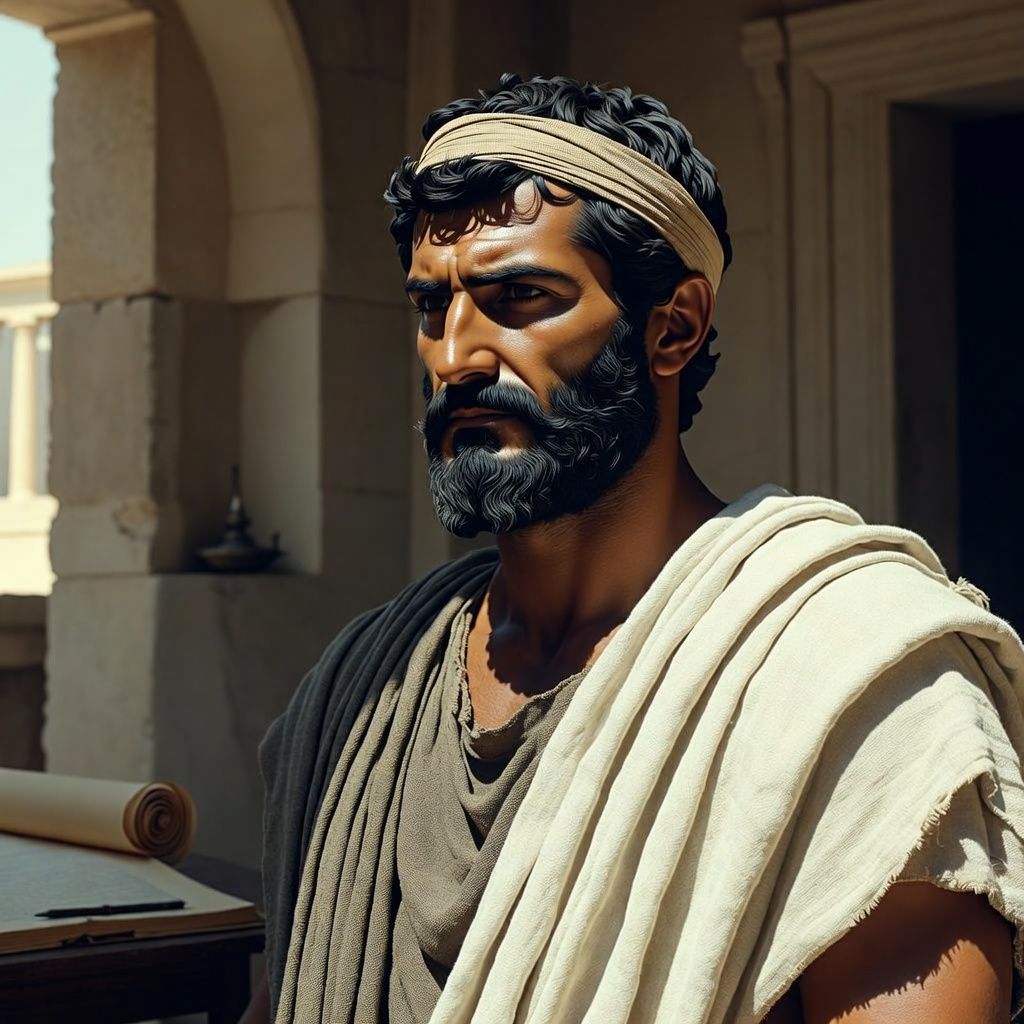
This sentiment is associated with Thucydides’ account of Pericles’ wartime oratory in Athens during the early years of the Peloponnesian War (431–404 BCE). In Thucydides’ History, Pericles repeatedly urges Athenians to subordinate private losses and anxieties to the survival of the polis, arguing that individual fortunes rise and fall with the city’s fate. The passage reflects the civic ideology of classical Athens, where citizenship entailed military and financial burdens, and where the war’s pressures—plague, invasions of Attica, and economic disruption—made the tension between private hardship and public strategy especially acute.
Interpretation
The quote argues for a hard civic realism: personal success is fragile if the political community collapses, while private misfortune can be repaired when the state remains stable. Thucydides (through Pericles) frames the state as the precondition for individual security, property, and recovery; therefore, loyalty to the commonwealth is not merely moral but rational self-interest. The logic also rebukes narrow, household-centered thinking in moments of crisis, insisting that collective endurance and political cohesion are necessary for any individual’s long-term wellbeing. It is a classic statement of the priority of public survival over private comfort in wartime.