I propose to fight it out on this line, if it takes all summer.
About This Quote
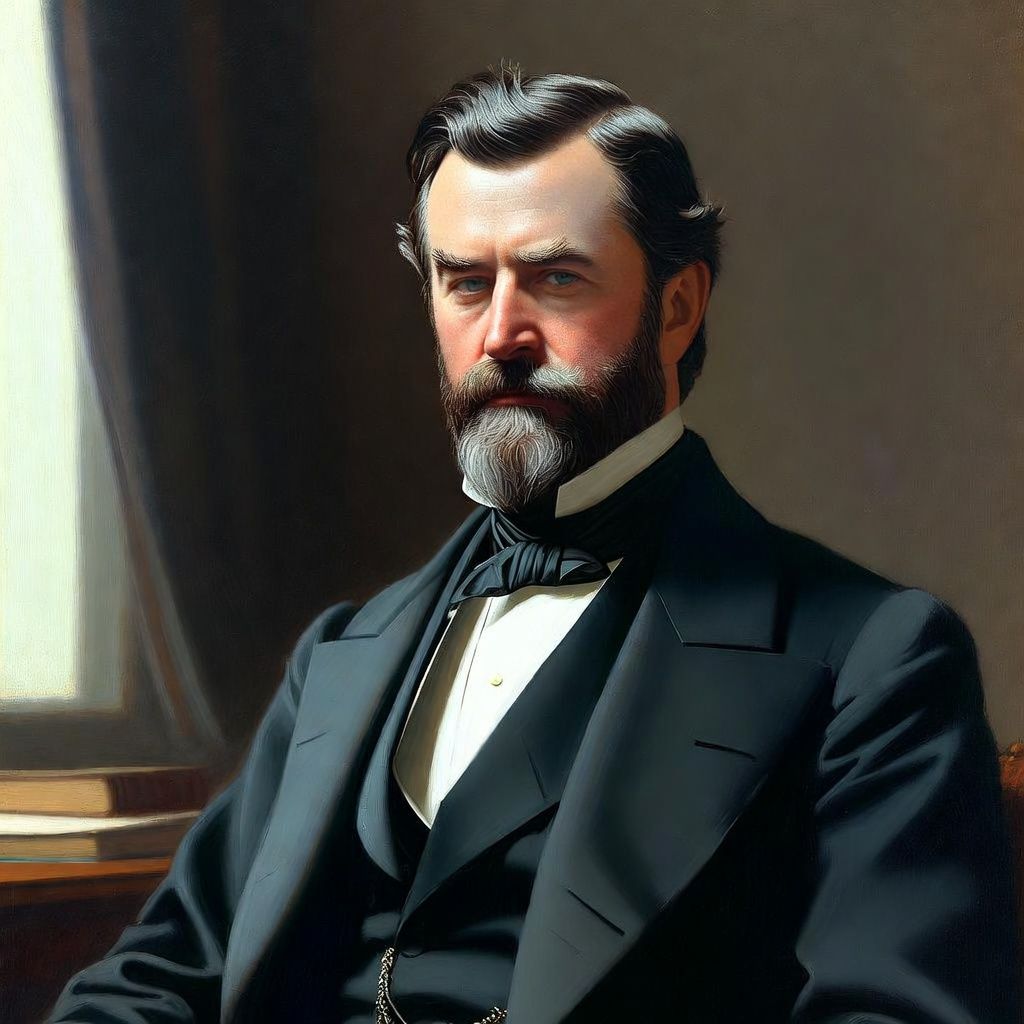
Grant wrote this line during the Overland Campaign in the American Civil War, after the brutal Battle of the Wilderness (May 5–7, 1864). Unlike earlier Union commanders who often withdrew after costly engagements with Robert E. Lee, Grant chose to press southward toward Richmond, signaling a strategy of continuous pressure and attrition. The sentence appears in a dispatch to Maj. Gen. Henry W. Halleck, the Union Army’s general-in-chief, dated May 11, 1864, as Grant maneuvered following the Wilderness and amid the fighting around Spotsylvania Court House. The remark quickly became emblematic of Grant’s determination to keep fighting despite heavy casualties and difficult terrain.
Interpretation
The quote encapsulates Grant’s commitment to sustained offensive action: he will not abandon the campaign line simply because the fighting is costly or inconclusive. “This line” refers both to the literal operational axis of advance toward Richmond and to a broader strategic posture—maintaining relentless pressure on Lee’s army. The phrase “if it takes all summer” underscores endurance and willingness to accept protracted struggle to achieve decisive results. In the public imagination, it helped define Grant as a commander who prioritized strategic outcomes over short-term reverses, marking a shift from episodic battles to continuous campaigning aimed at exhausting Confederate capacity to resist.
Variations
1) "I propose to fight it out on this line if it takes all summer." 2) "I propose to fight it out on this line, if it takes all summer."
Source
Telegram/message from Lt. Gen. Ulysses S. Grant to Maj. Gen. Henry W. Halleck, May 11, 1864, during the Overland Campaign (after the Battle of the Wilderness).