When we recognize that we don't have all the time in the world, we see our priorities most clearly.
About This Quote
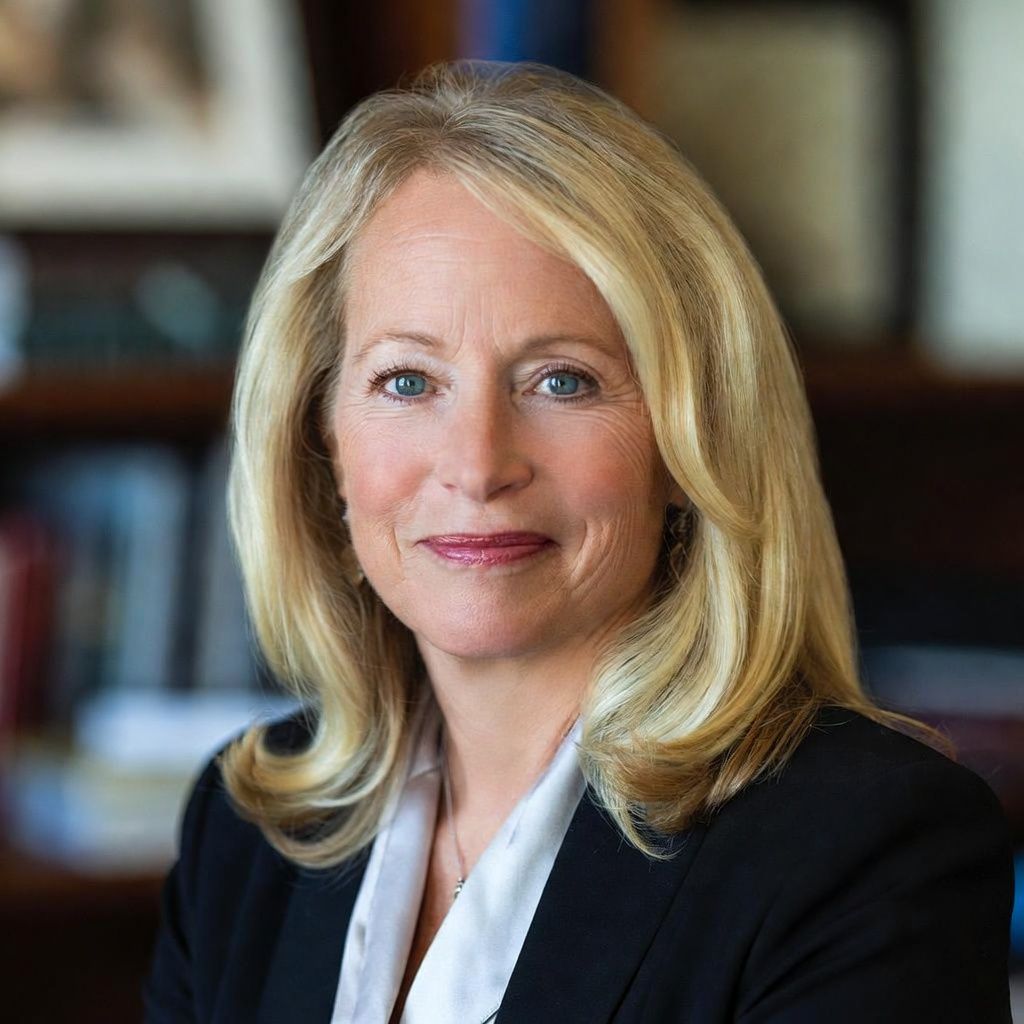
Laura L. Carstensen, a Stanford psychologist known for socioemotional selectivity theory, has often argued in talks and interviews that perceived time horizons shape motivation: when people see time as limited, they focus more on emotionally meaningful goals and relationships. This quotation reflects that line of research and is typically used in public-facing contexts (e.g., lectures on aging, well-being, and decision-making) to explain why priorities can sharpen when the future feels finite—whether due to aging, illness, or major life transitions. I cannot, however, reliably place this exact wording in a specific dated speech, article, or book passage without a verifiable citation.
Interpretation
The line distills a central idea in Laura L. Carstensen’s research on socioemotional selectivity: perceived time horizons shape motivation. When people feel time is expansive, they often prioritize exploration, novelty, and future-oriented goals; when time feels limited, they tend to focus on emotionally meaningful aims—deepening close relationships, savoring the present, and investing in what matters most. The quote frames mortality awareness not as morbid, but as clarifying: constraints can sharpen values and decision-making. It also implies that “priorities” are not fixed traits; they shift with context and with how we appraise the time we have.