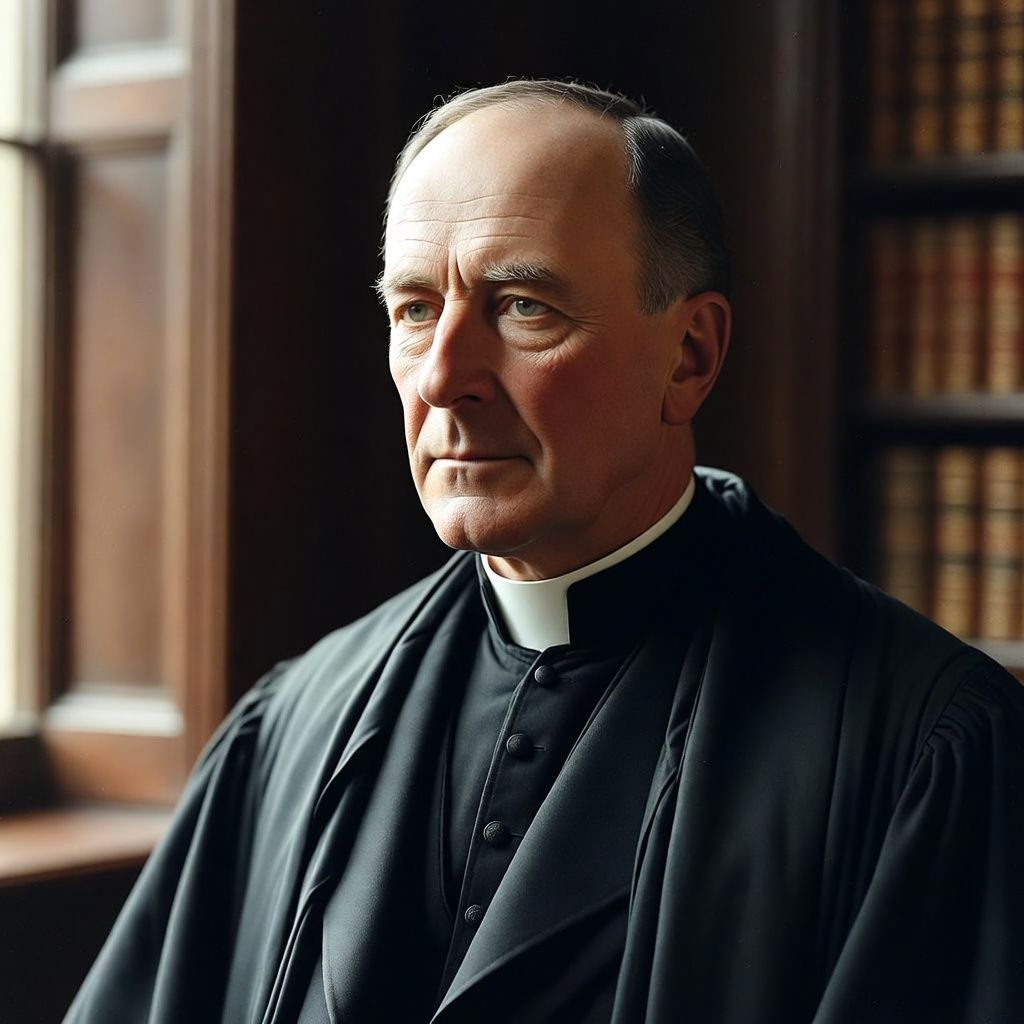
Sometimes at night I light a lamp so as not to see.
About This Quote

Antonio Porchia (1885–1968), an Italian-born Argentine writer, is best known for his aphoristic book *Voces* (“Voices”), first published in Buenos Aires in 1943 and expanded in later editions. The line “Sometimes at night I light a lamp so as not to see” is characteristic of Porchia’s compressed, paradoxical style: brief, self-contained utterances that read like philosophical fragments rather than narrative statements. Written in the milieu of mid‑20th‑century Argentine letters, Porchia’s “voices” often stage an inward, nocturnal consciousness—where illumination can be sought not for clarity but as a defense against what the self might otherwise confront in darkness.
Interpretation
The aphorism turns the usual symbolism of light on its head. A lamp, conventionally associated with knowledge and revelation, becomes a tool for avoidance: the speaker seeks a controlled, artificial brightness that prevents deeper “seeing.” The night suggests solitude, anxiety, or the unconscious; lighting a lamp can be read as creating a comforting surface—routine, distraction, or rationalization—so that one need not face more disturbing truths. Porchia’s paradox implies that perception is not simply a matter of having light, but of willingness: one can surround oneself with illumination (facts, explanations, busyness) precisely to evade insight.