I have spent a lifetime watching kids make mistakes because they were not trained or well led or properly motivated to do well. I never faulted the kids rather, I saw opportunity to train, to motivate, to improve leadership - not to punish the individual.
About This Quote
Interpretation
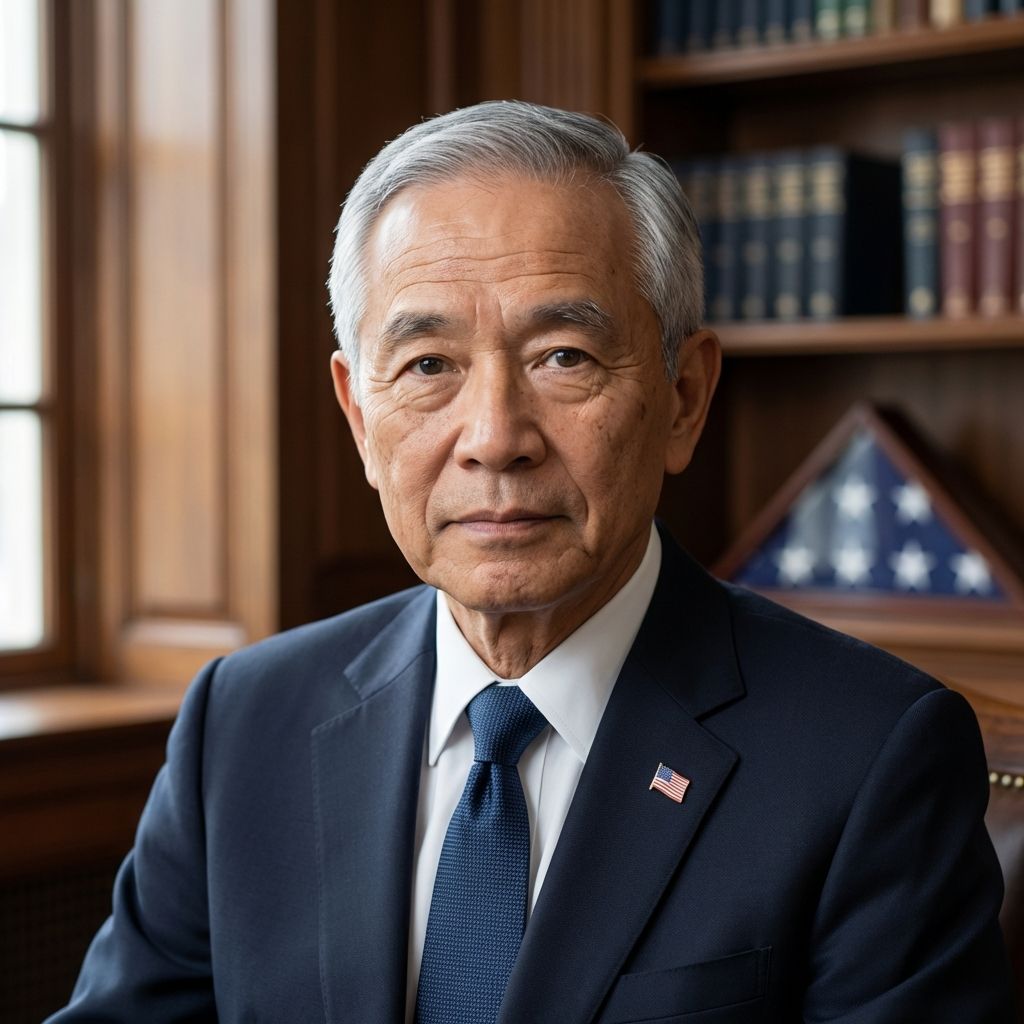
Shinseki frames mistakes—especially by young people or junior personnel—not as moral failings but as predictable outcomes of inadequate training, leadership, and incentives. The quote reflects a command philosophy common in professional military and public-service settings: leaders are responsible for creating conditions in which subordinates can succeed, and recurring errors are often symptoms of systemic shortcomings rather than individual bad character. By rejecting reflexive punishment, he emphasizes coaching, motivation, and leadership development as the more effective response. The underlying significance is ethical as well as practical: accountability is shifted upward toward those who design and lead institutions, encouraging a culture of learning and improvement rather than blame.