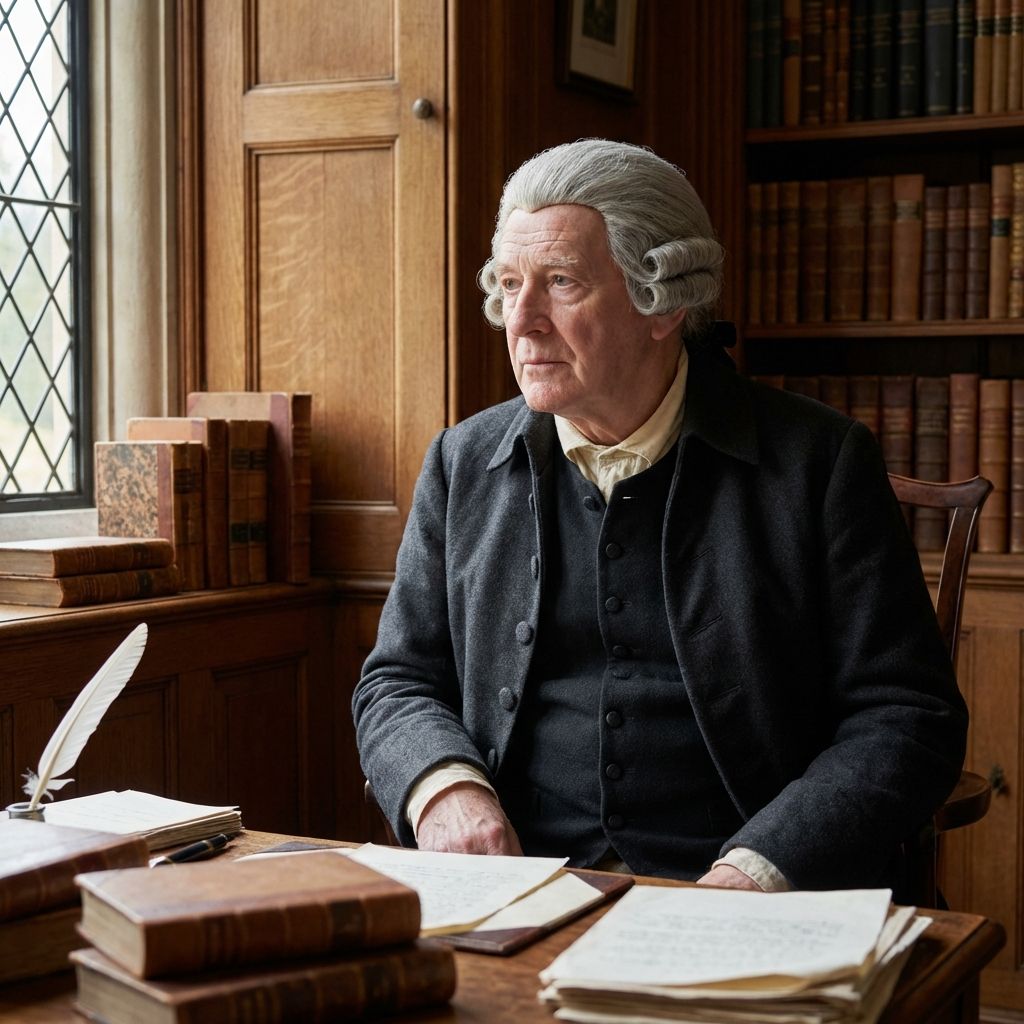
The State, in choosing men to serve it, takes no notice of their opinions. If they be willing faithfully to serve it, that satisfies.
About This Quote

Interpretation
The saying presents an ideal of public service in which the state’s primary criterion is competence and faithful execution of duty rather than ideological conformity. Read in a seventeenth-century English context—when religious and political “opinions” could determine loyalty, officeholding, and even safety—the sentiment gestures toward a pragmatic, merit-based approach to governance: the commonwealth needs effective servants more than doctrinal uniformity. It also implies a distinction between private belief and public obligation, suggesting that the legitimacy of an official rests on performance and fidelity to the state’s purposes. At the same time, the claim can be read as rhetorical: a leader may invoke tolerance to broaden support while still policing dissent in practice.