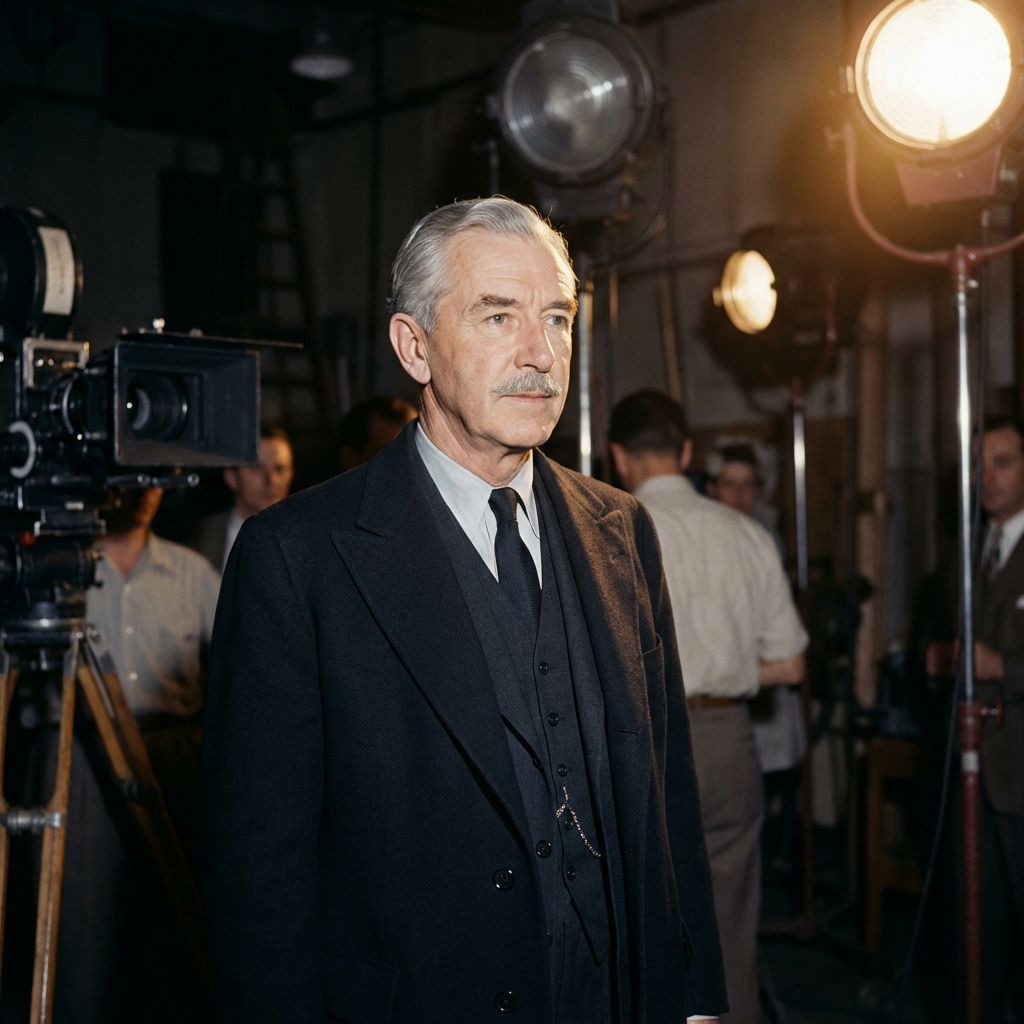
Success in life comes not from holding a good hand, but in playing a poor hand well.
About This Quote

Denis Waitley (b. 1933) is an American motivational writer and speaker whose work in the late 20th century focused on self-discipline, resilience, and performance psychology. This aphorism reflects a common theme in his talks and books: that outcomes are shaped less by initial advantages than by attitude, effort, and skillful response to adversity. The metaphor draws on card-playing, where luck determines the hand you’re dealt but judgment and strategy determine how well you play it—an accessible way to frame personal responsibility and perseverance for audiences in business, athletics, and self-improvement settings.
Interpretation
The quote contrasts circumstance with agency. “Holding a good hand” stands for unearned advantages—talent, wealth, connections, or favorable timing—while “playing a poor hand well” emphasizes adaptive intelligence: making sound choices, learning quickly, and persisting despite constraints. Waitley’s point is not that luck is irrelevant, but that character and competence are decisive over time. The line also critiques envy and fatalism: rather than fixating on what one lacks, it urges focusing on controllables—preparation, strategy, and composure. In a broader ethical sense, it frames success as earned through resourcefulness and resilience, not merely granted by fortune.